
What Is Cross-Platform App Development?
Making its way into app development in the mid-1990s, Cross-platform app
development is the method of building software applications that run on multiple os and platforms such
as
Android, iOS, and Windows with just a single codebase. This makes the work of the developer simpler as the
developer
needs to write code once and deploy the code across various platforms, making sure a huge chunk of time is saved
by
not coding separately for each platform.
Since cross-platform development took off, a whole host of frameworks have sprung up! From Adobe Flash to modern
greats like React Native, Xamarin, and Flutter – developers can now use one codebase to craft amazing native
mobile
apps for any platform. Talk about efficiency! With such dynamic options, the world of app-building just keeps
getting better and better. In this article, we’ll discover Native vs cross-platform app development along with
the
benefit and challenges of cross-platform development.
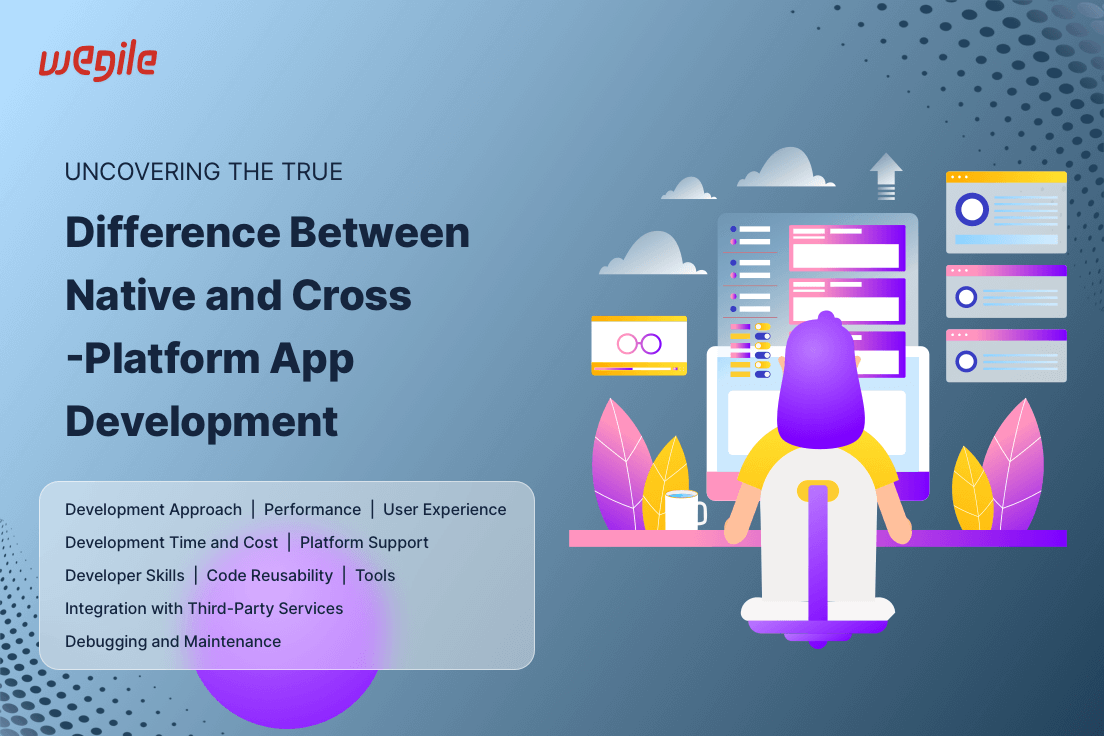
Native vs. Cross Platform App Development
Native app development or cross-platform app development? Native apps and cross-platform apps may have a lot in
common on the surface, but beneath it, all lies a world of radical differences. From the way they’re developed
to
the user experiences they offer, native and cross-platform apps are two very different beasts. It’s time to go
beyond the surface to uncover the true difference between native and cross-platform app development. Let’s dive
deep
into this tech duel and pull out what really matters.
-
1. Development Approach
Developing native applications necessitates crafting distinct code for each platform (e.g, iOS, Android)
with platform-specific tools and languages, as opposed to cross-platform development, which utilizes a
unified codebase to create programs that are compatible with multiple systems. -
2. Performance
Native applications typically boast quicker response times and enhanced performance due to their
tailored
optimizations for a given platform; however, cross-platform programs may experience minor dips in speed
as a
trade-off for inclusion across multiple systems. -
3. User Experience
Native applications are usually more slick and offer a smoother experience for the user since they’re
created with a specific platform in mind. In comparison, cross-platform app development software may not
have the same level of usability or may not be able to take advantage of all the features the platform
could
offer. -
4. Development Time and Cost
In the competition of native vs cross-platform app development, crafting native apps often takes more
time
and resources due to needing to develop and manage diversified versions, but cross-platform development
can
be created and maintained much faster with a smaller team, making it a great option for those who want
results in a shorter period of time. -
5. Platform Support
Native applications are bound to the operating systems they were created to work with, while
cross-platform
applications can be crafted to accommodate a range of systems, thus increasing their reach in terms of
both
potential users and usability. -
6. Developer Skills
Native app developers have specialized skills in specific programming languages and frameworks, like
Java
for Android or Swift for iOS. They know how to work with the device’s hardware and native libraries.
Cross-platform app developers typically require more general skills, such as web languages (HTML, CSS,
JavaScript). Additionally, they must understand how to use a platform-specific development tool like
Ionic
or React Native. -
7. Code Reusability
Cross-platform development gives developers the opportunity to reuse their code, eliminating the need to
write and manage numerous lines. Unlike native app development, where separate coding is necessary for
each
platform, cross-platform apps streamline this process. -
8. Tools
When considering native app development, the primary tools used are platform-specific and are typically
the
official Integrated Development Environment (IDE) offered by the specific platform. For example, Android
uses Android Studio, while iOS uses Xcode. Cross-platform app development software, on the other hand,
relies on more versatile tools such as React Native, Flutter,
Adobe PhoneGap, and Ionic. -
9. Integration with Third-Party Services
When it comes to integrating with third-party services, native app development provides powerful and
optimized options. For example, these services may offer native SDKs or APIs – carefully tailored
solutions
to meet the needs of the platform at hand. By contrast, cross-platform app development software has
fewer
options available as it must rely on less efficient third-party integrations that may not necessarily
have
all the features you require. -
10. Debugging and Maintenance
In native app development, debugging is usually done using a simulator and a specific testing tool
provided
by the platform. Debugging usually involves using device logs and interpreters to troubleshoot any
errors
within the app. Maintenance can require updating code to make sure it is up to date with the latest
operating systems or features.
With cross-platform app development, debugging is generally easier because only one version of the code needs to
be
tested and maintained. Cross-platform apps are also generally easier to maintain thanks to their code base being
more contained and streamlined. App updates can also be done much more quickly as the code needs to be updated
in
only one place.
Make sure you go through our Guide
before you Hire an App Developer.
Benefits And Challenges Of Cross-Platform
Development

-
1. Code Reusability
Developing for multiple platforms helps to create a master code base that can be reused for all
platforms.
This means developers don’t have to worry about recreating the same code for each platform and can
instead
focus on more pressing issues. -
2. Reduced Development time and cost
Since much of the code is written once and reused, it helps to reduce the time spent coding and
associated
costs. -
3. Wider Reach
With multiple platforms accounted for, your application will be visible to a wider audience. This helps
increase customer reach, resulting in more downloads and app usage. -
4. Easier Maintenance
Since the application has a single code base, any updates will have to be released only once and then
can be
accessed by users on all supported platforms. -
5. Consistent User Experience
Cross-platform development framework ensures a consistent user experience across different platforms.
This
helps create a unified brand presence and provides a better user experience.
Challenges of Cross-Platform Development

-
1. Performance
Developing an app across multiple platforms can pose challenges in terms of performance, responsiveness,
etc. as frameworks and tools designed for one platform may not be suitable for others. -
2. Limited Access to Native Features
Depending on the platform, access to certain native features or APIs may be limited or available in a
different manner. -
3. Platform-Specific Issues
Debugging, compatibility with different platforms and their individual versions, and other
platform-specific
issues can arise when deploying cross-platform applications. -
4. Dependency on Third-Party Tools
Cross-platform development often involves using third-party tools and frameworks, which can bring along
their own issues and bugs. -
5. App Store Approval Process
Cross-platform apps may require additional steps to ensure compliance with all platform guidelines when
submitting to app stores.
Considering the insights that you gained from this article, you might be wondering if cross-platform app
development
is the ideal solution for your needs. The answer relies heavily on your app and business requirements. Wegile
stands
as the leading Cross-platform mobile app development company that can make it easy to navigate mobile app
development. Get in touch with Wegile today, and we’ll make sure
you
choose the best option for your app development project.
Leave a Reply