What is AWS Lambda?
AWS Lambda is an execution model offered by Amazon Web Services that allows developers to run code
without managing any underlying infrastructure. In this article, we’ll explore the technical
implications of this powerful tool and its many features. With AWS Lambda, users have the ability to
execute their code faster and more reliably while reducing operational costs. As a result,
developers can focus on the logic and structure of their application without having to worry about
complex systems administration tasks. That makes AWS Lambda a popular choice for building highly
scalable cloud applications quickly and efficiently. In this blog we’ll take a closer look at what
AWS Lambda is used for.
What Are The Top AWS Lambda Features?
-
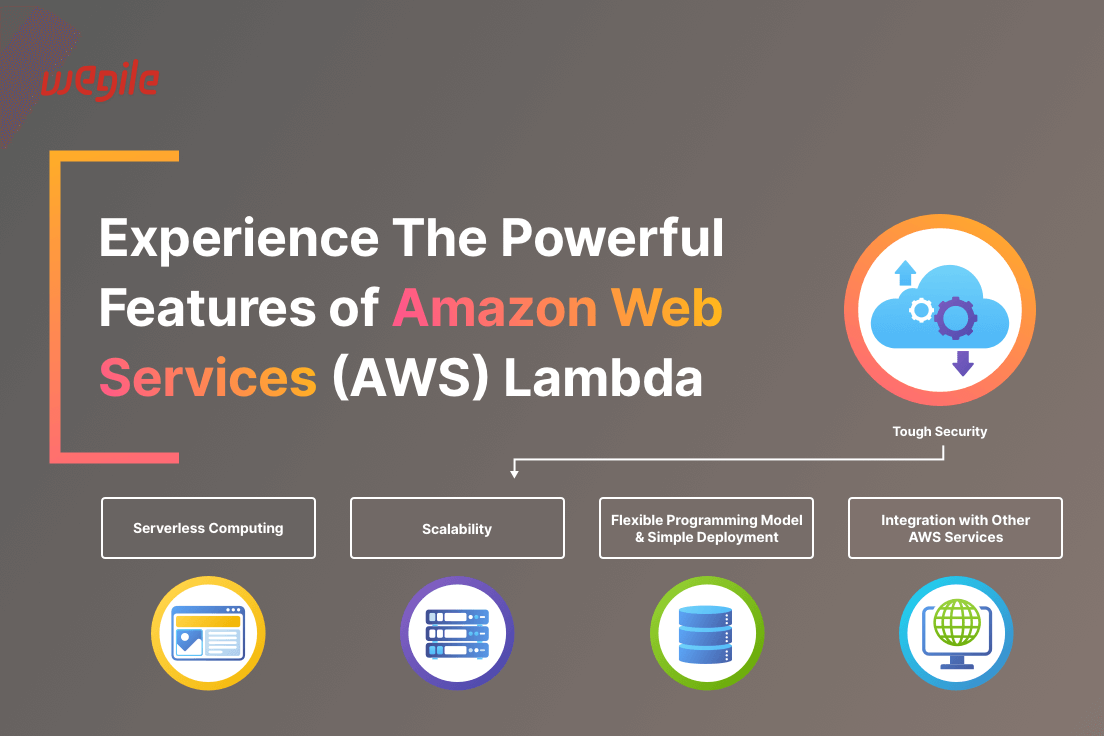
1. Serverless Computing
AWS Lambda offers powerful serverless computing capabilities designed to simplify the work of
developers. It streamlines infrastructure setup and management, allowing developers to focus
on writing and deploying application code without worrying about provisioning, scaling or
maintaining servers. With AWS Lambda, businesses can spin up underlying resources quickly
and scale up or down in response to changes in demand with little effort; thus freeing up
resources for higher level strategic tasks instead of complex operations management. -
2. Scalability
AWS Lambda delivers automatic scaling of your application in response to changes in traffic,
allowing for increased flexibility and control over resource allocation. With this AWS
Lambda Feature, you can specify the maximum number of concurrent executions that your
function allows. AWS Lambda then provisions enough resources to handle the maximum load and
manages scaling as per the incoming traffic, ensuring both cost-savings and performance
optimization. By automating resource provisioning with Lambda, you’ll enjoy cost savings and
improved performance for your application with no worries about under- or over-provisioned
resources.AWS Lambda now enables users to control their own ephemeral storage size with the ability to
configure up to 10 GB per function instance. This upgrade from the standard 512 MB of
storage provides greater flexibility for functions that require higher capacity, such as
larger applications or longer running processes. -
3. Flexible Programming Model & Simple Deployment
AWS Lambda’s programming model lets you write code in the language of your choice, from Java
to Node.js to Python and more. This AWS Lambda Feature eliminates the need of learning a new
language or environment. Deployment is also made easy with options like direct upload, the
AWS Management Console, AWS CLI, and third-party tools like CloudFormation, allowing
developers to quickly deploy their applications with maximum flexibility. With AWS Lambda’s
flexible programming model, say goodbye to the days of lengthy deployments and frustrating
learning curves. -
4. Integration with Other AWS Services
With AWS Lambda, developers can unlock a myriad of possibilities to build groundbreaking
serverless applications with unprecedented ease. Cut off the shackles of old-fashioned
infrastructure headaches and be able to use an array of popular AWS tools and services like
S3, DynamoDB, API Gateway, Kinesis, and more in one place. By integrating with these other
AWS components, AWS Lambda provides developers with tremendous power and flexibility when
creating applications without any hassle. -
5. Tough Security
All data at rest and in transit is automatically encrypted, and access to its services is
strictly managed using AWS Identity and Access Management (IAM), Resource Policies, Auditing
and Logging. Its VPC Support provides an additional layer of authentication, while its
fine-grained access controls enable you to grant individual roles, groups, or external
accounts access to specific resources within Lambda. Furthermore, it offers useful features
such as file verification, utilization monitoring, runtime protection, and an audit log to
ensure all accesses and activities are tracked and reported back to users promptly.
What is AWS’s Lambda Execution Model?
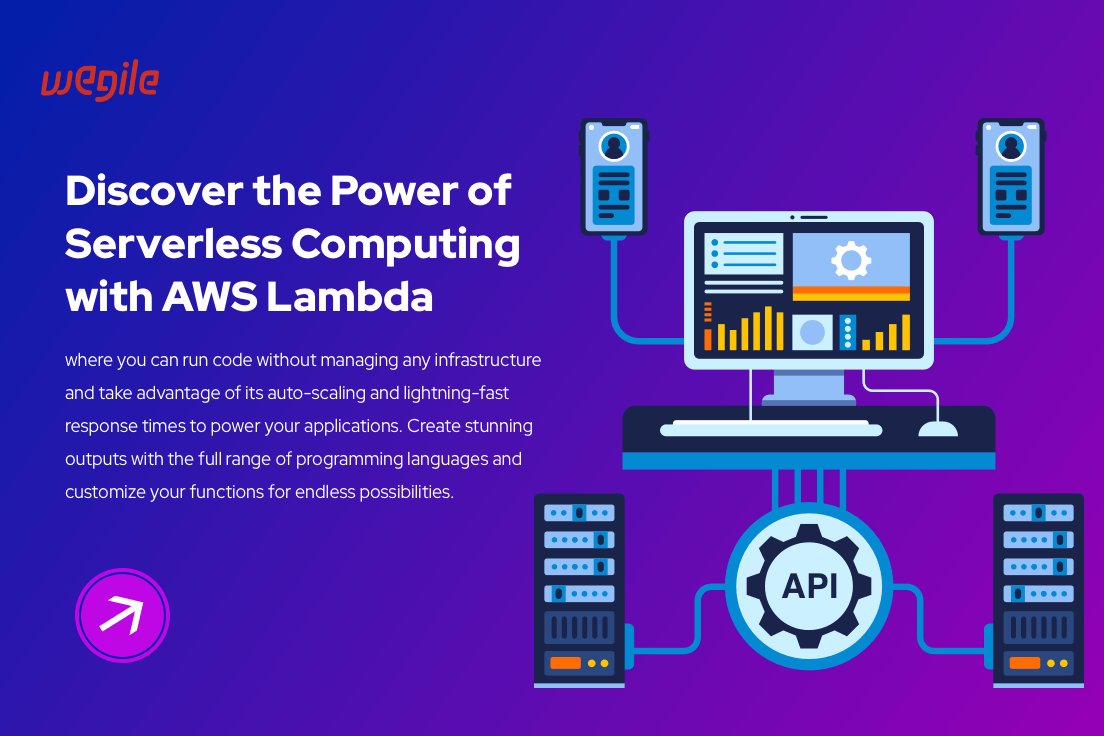
AWS Lambda is a serverless computing service
that lets you run code without managing infrastructure
-
Functions are pieces of code that are executed when an event or trigger occurs during AWS Lambda
Execution Model -
When triggered, a Lambda function runs in a container – a lightweight, isolated environment
-
The container remains active for a short period after the function has completed to allow for
faster subsequent events -
AWS Lambda automatically scales the number of functions based on the incoming events and
configured concurrency settings -
Output generated by the Lambda function is returned to the application
-
Supported events include HTTP requests, database updates, and file uploads
-
The handler function processes the input event and generates the output
-
AWS Lambda features multiple programming languages including Node.js, Python, Java, and C #
What Are the Pros and Cons of AWS Lambda?
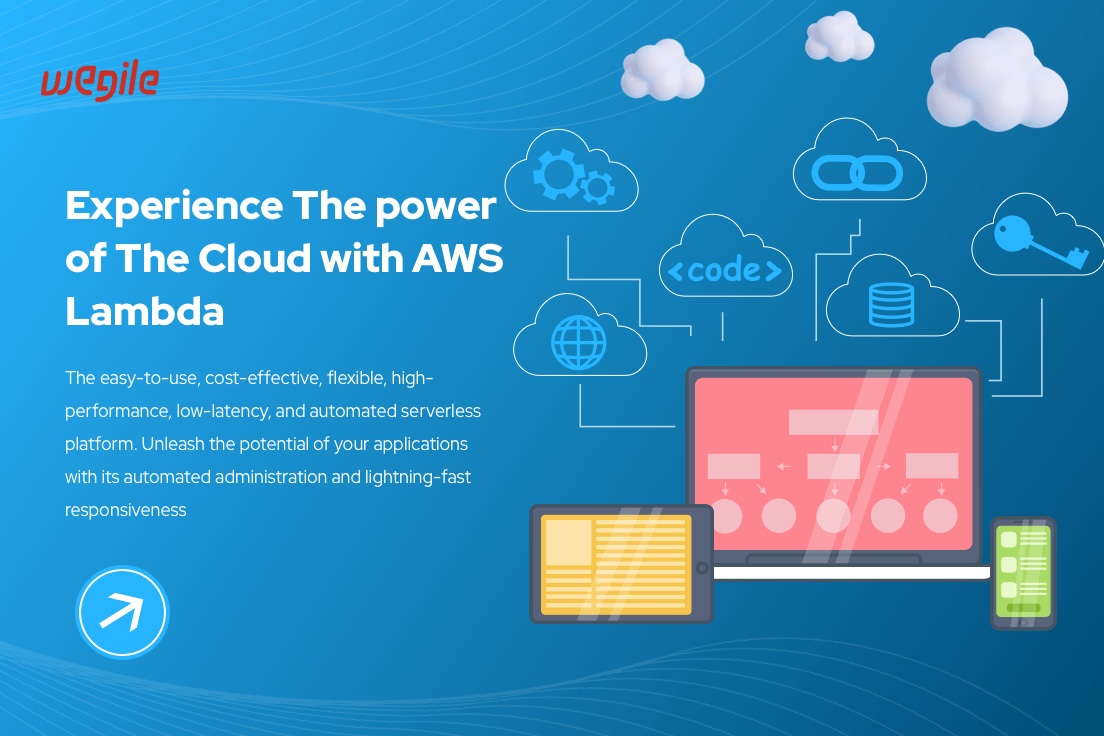
AWS Lambda is an incredibly powerful and
versatile cloud-based platform, allowing developers to focus on writing code and leaving the server
management to Amazon. Here are few answers of what is the benefit of using Lambda?:
-
Highly cost-effective – serverless computing eliminates the cost of provisioning, operating, and
scaling infrastructure for applications. -
Easy to deploy – Lambda functions can be deployed quickly and efficiently with minimal effort.
-
Flexible scalability – Lambda automatically scales up or down in response to traffic demands and
other resource requirements; no manual intervention is required. -
High performance – Lambda functions are designed to provide high levels of compute performance
and reliability, even at scale. -
Low latency – Lambda functions can execute at speeds of milliseconds, providing near
instantaneous results. -
Automated administration – Lambda automates most of the tasks associated with deploying,
hosting, and managing applications and services.
Cons of AWS Lambda
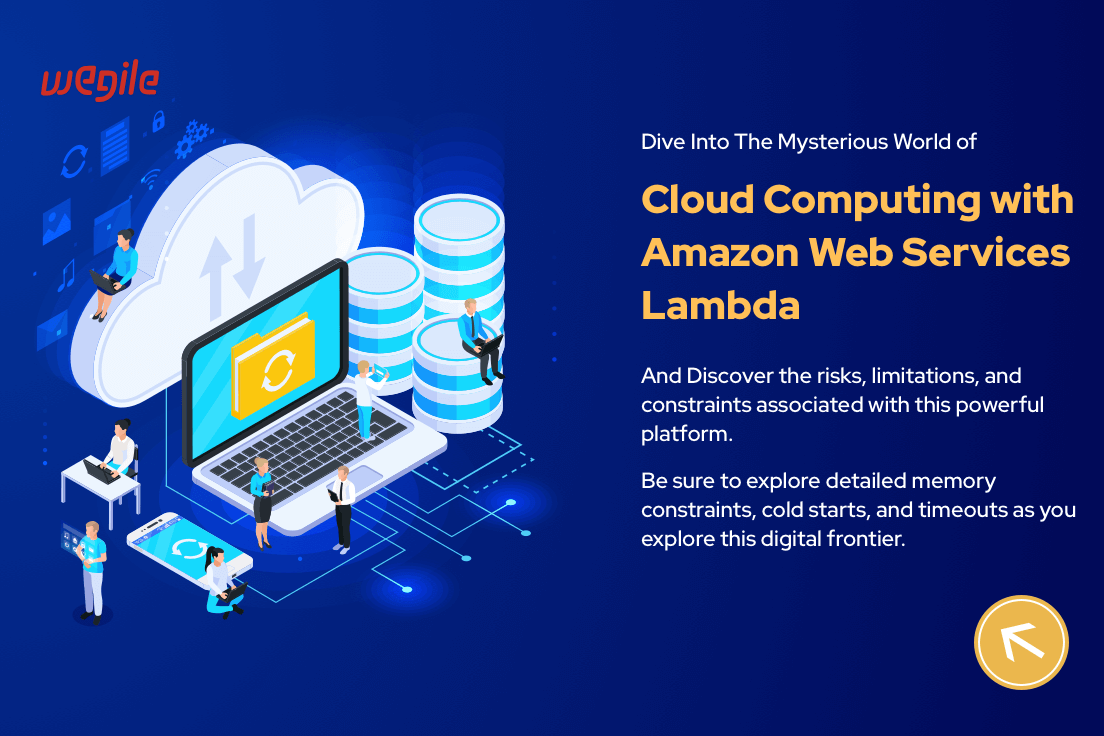
Although Cloud-Computing has opened the
door for many businesses to streamline their process, Amazon Web Services Lambda can come with its
own set of risks and consequences. Here are the few AWS Lambda limitations:
-
Limited language/runtime support – AWS Lambda only currently supports a limited number of
programming languages and runtimes, which can be a constraint for applications that require
low-level system access. -
Timeouts – AWS Lambda functions are automatically terminated execution time of 15 minutes. This
can lead to incomplete or abrupt functions if the Lambda timeout is too low. -
Cold Starts – Cold starts occur when a Lambda instance is called for the first time or after a
period of inactivity. This can lead to long initialization times and slow response times for
infrequently used functions. -
Memory constraints – AWS Lambda currently limits the amount of memory that can be allocated to
functions, limiting the complexity of applications that can be hosted on the platform. -
Dependency issues – Dependency issues can arise when deploying individual functions to AWS
Lambda, where the dependencies might not be available on the Lambda service or require another
process to install them. -
Cost model- While Lambda initially appears to be an affordable option for small applications,
costs can quickly climb as an application scales in terms of its requests, executions, and
memory usage.
Conclusion
AWS Lambda is a powerful and invaluable tool for modern application development. With befitting AWS
Lambda features it offers cost savings, faster development cycles, and improved scalability – all
while reducing the need for underlying infrastructure management. Its event-driven architecture,
automatic scaling, and support for multiple programming languages make it an attractive choice for
creating fast and efficient applications. However, developers must be aware of its execution time
and memory constraints, cold start issues, and limited operating system access in order to maximise
the performance of their applications and services. Despite these AWS Lambda limitations, it remains
a valuable resource that no developer should overlook.
Leave a Reply