E-Commerce is constantly changing, and as an eCommerce owner, you must keep your eye on eCommerce
trends as these trends help you stay on the top and attract your audience’s attention.
We know it’s challenging to adapt to new trends each year, but it’s a necessary evil you cannot
ignore. We’re excited to share the Top 10 eCommerce Trends in 2024.
What Are
Major eCommerce Trends To Follow In 2024?
-
1. Mobile-first UX design
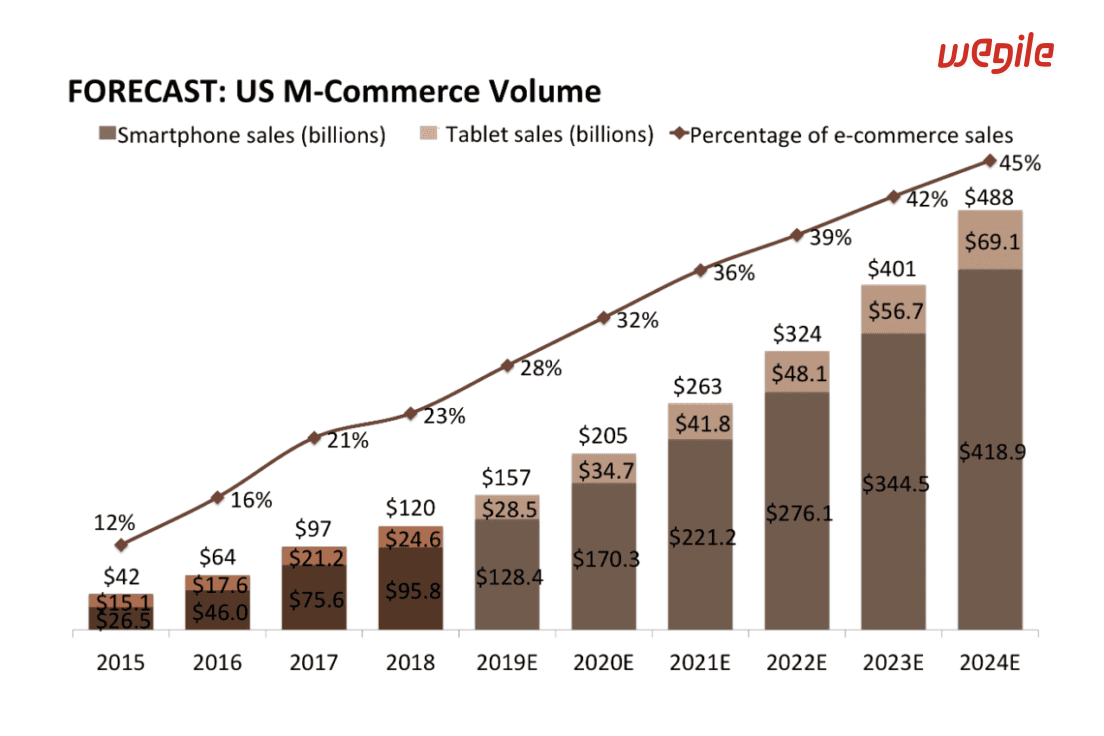
In late 2023, smartphone traffic reached nearly
80% of all retail website visits worldwide. This means, as an eCommerce owner, you
must recognize the importance of mobile traffic.With most people using smartphones and tablets for online shopping, providing a seamless
experience on these devices is essential.When your website or app functions well on mobile, it keeps customers satisfied and increases
the likelihood of them making purchases. Additionally, optimizing for mobile can improve
your website’s visibility in search results, attracting more potential customers. If your
eCommerce site is not mobile-optimized, work with a trusted eCommerce
development partner to help you.How to leverage this trend?
-
Ensure that your website is mobile-friendly.
-
Maintain mobile design standards.
-
Make navigation easy and load pages quickly.
-
-
2. Same-Day or Next-Day Delivery
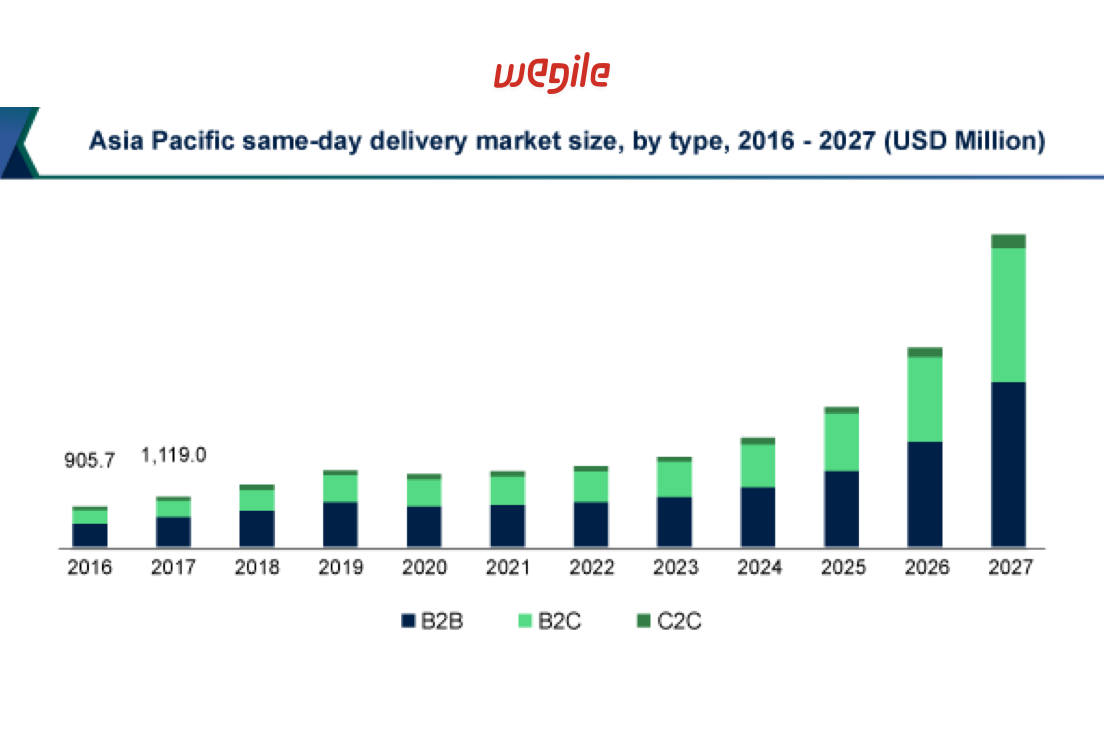
Currently, customers prefer quick order delivery for online shopping. Same-day or next-day
delivery is essential because it makes customers happy and helps businesses stay
competitive. When orders arrive promptly, it shows that the company cares about its
customers and values their time. By providing speedy delivery options, businesses can keep
up with customers’ expectations, build trust, and stand out.How to leverage this trend?
-
Offer fast shipping options at checkout.
-
Improve order processing for quicker fulfillment.
-
Use local warehouses for faster delivery.
-
-
3. Augmented Reality and Virtual Reality
Today, augmented reality (AR) and virtual reality (VR) are changing how people shop online.
AR adds digital things to the real world, while VR puts users in virtual worlds. These
technologies make online shopping more fun and interactive than looking at pictures.AR and VR let customers preview products at home, try virtual clothes, and test furniture.
This boosts confidence in purchases, driving more sales. AR and VR reduce product returns by
giving customers a clearer idea of products before buying. They can see sizes and fit,
minimizing uncertainties.How to leverage this trend?
-
Integrate AR and VR features for interactive shopping experiences.
-
Ensure mobile compatibility for seamless use on smartphones and tablets.
-
Educate customers on how to use AR and VR features effectively.
-
-
4. Livestream Shopping
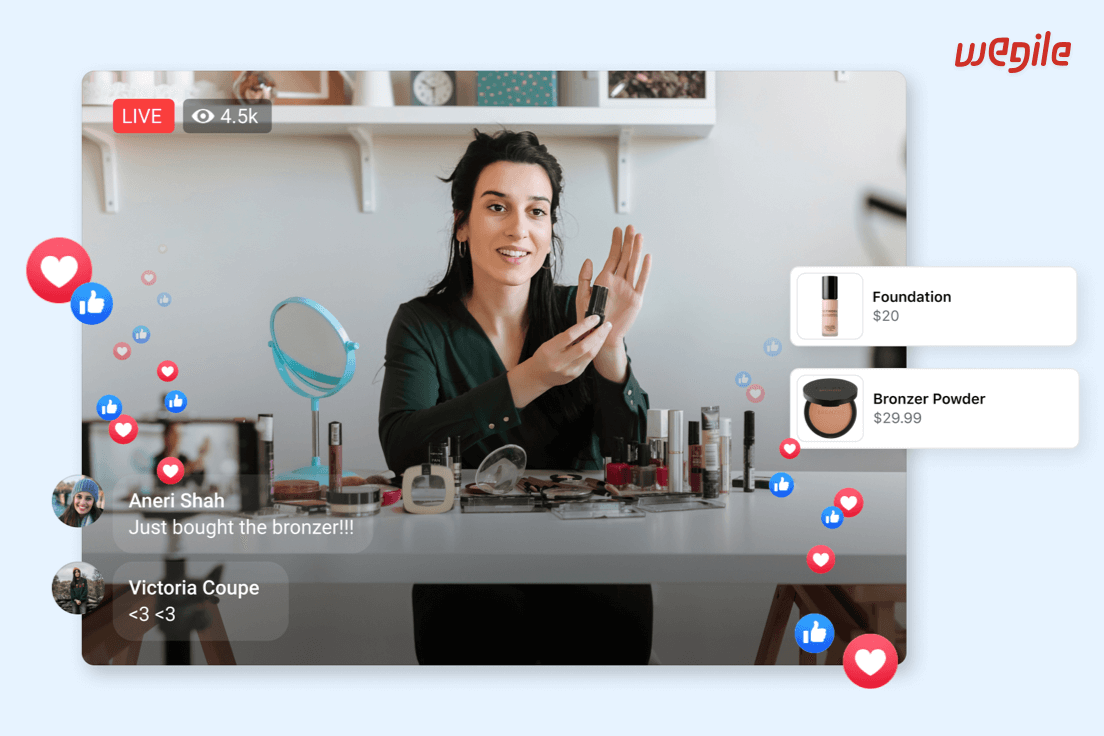
Livestream shopping is big online. It’s when hosts, like influencers, show products live on
video and chat with viewers. This way, shoppers get a fun and interactive experience. They
can ask questions, get instant answers, and feel like part of a community.Live Streams also make people want to buy things immediately, especially with special deals
and limited-time offers. Businesses showcase products in exciting ways, like demos and
benefits talks. Teaming up with influencers reaches new customers.How to leverage this trend?
-
Host live shopping events showcasing products.
-
Offer exclusive deals and limited-time offers during live streams.
-
Collaborate with influencers to reach a wider audience.
-
-
5. Image Search
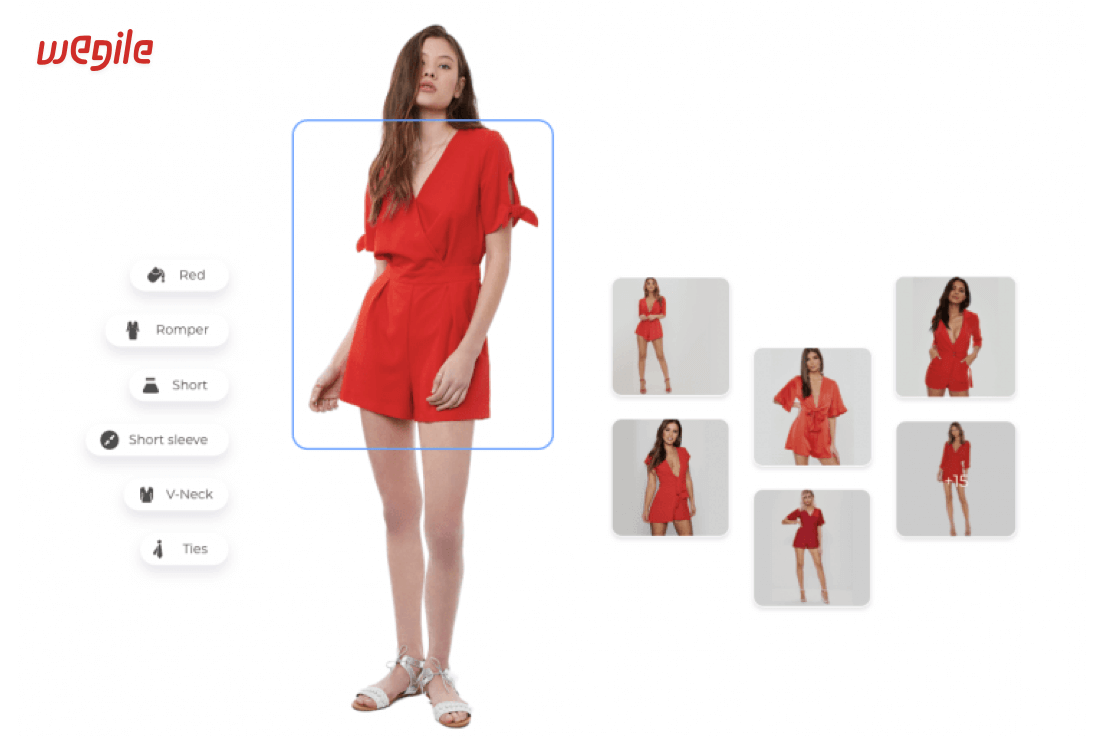
Image search functionality has become increasingly important for eCommerce businesses. It
allows customers to search for products using images rather than text, streamlining the
shopping experience and catering to visual preferences.By adding image search capabilities to their platforms, businesses can enhance
discoverability, improve user engagement, and increase conversion rates. Image search helps
customers find similar products easily, making shopping more straightforward.How to leverage this trend?
-
Optimize product images with descriptive tags and metadata.
-
Enable visual recommendations for similar products.
-
Make sure searching with images is easy and user-friendly.
-
-
6. Zero Party Data
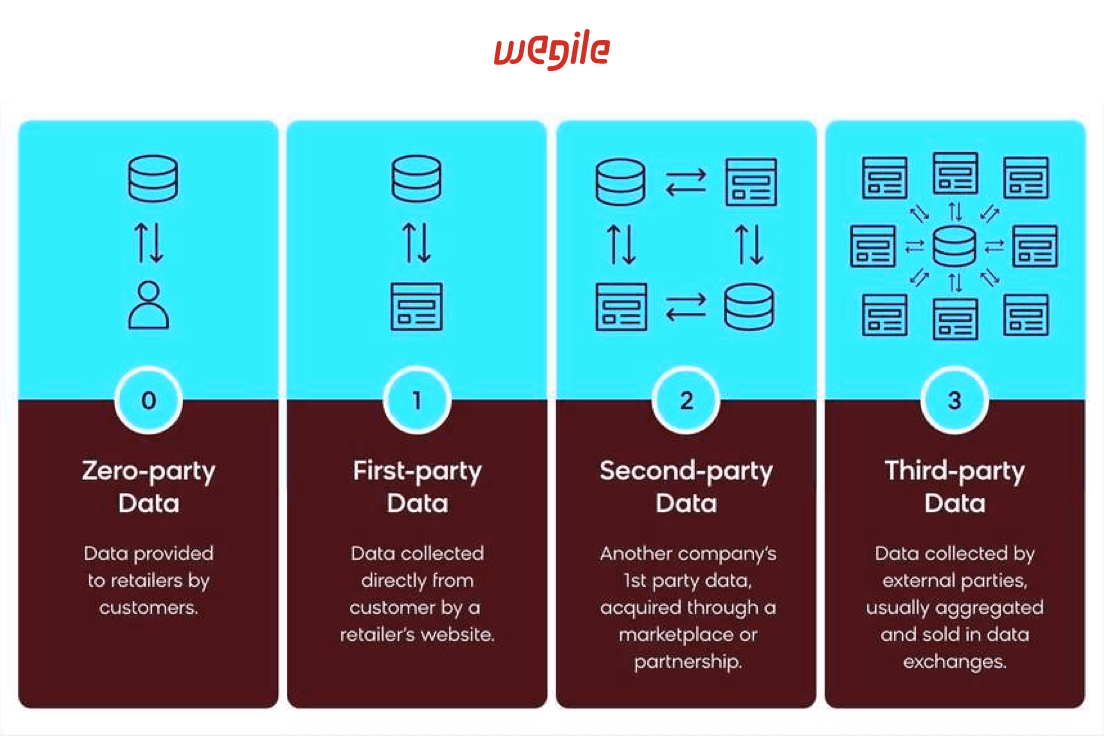
Privacy has been a consumer priority for a long time. However, with growing cyber frauds,
consumers are increasingly concerned about how eCommerce sites are using their data. On top
of that, Google is ending its third-party cookies support, which will not allow eCommerce
owners to collect any data whatsoever. In light of this, there’s a rising trend called
zero-party data. Here’s how you can use it.How to leverage this trend?
-
Adopting zero-party data and collecting customer data in-house.
-
Implement strict security protocols to safeguard consumers’ data.
-
Maintain transparency in how you are collecting and using consumer data.
-
-
7. Social Commerce
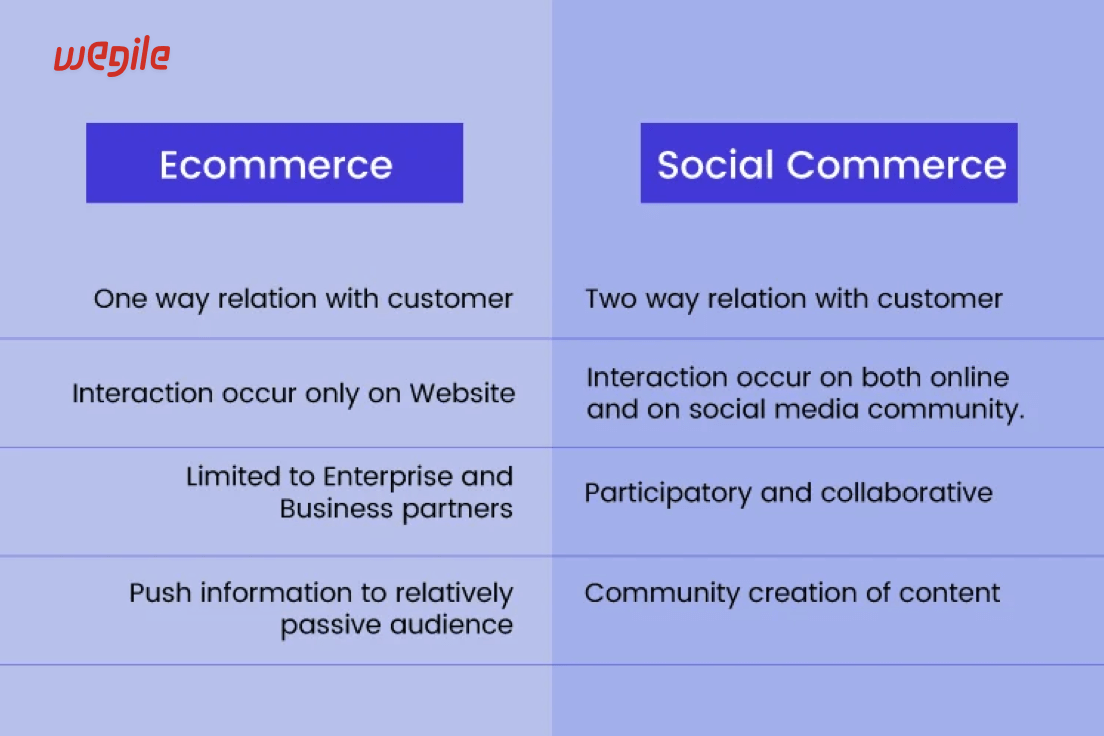
Have you heard the words “influencer economy”, or “TikTok economy”? Massive increases in
influencer marketing have boosted an eCommerce trend called social commerce. In this trend,
many people buy eCommerce products directly through social media based on recommendations
from their trusted creators. The industry was valued at approximately $21.1
billion USD as of December 2023.How to leverage this trend?
As an eCommerce store owner, you can leverage this trend for massive growth. Here’s how.
-
Partner with social media influencers in your niche where they can promote your products
on their channel. -
Ensure your eCommerce site leverages an omnichannel marketing approach where social
media platforms are seamlessly connected with your site. This will remove any friction
that can happen while making purchases.
-
-
8. Rise in Voice Search
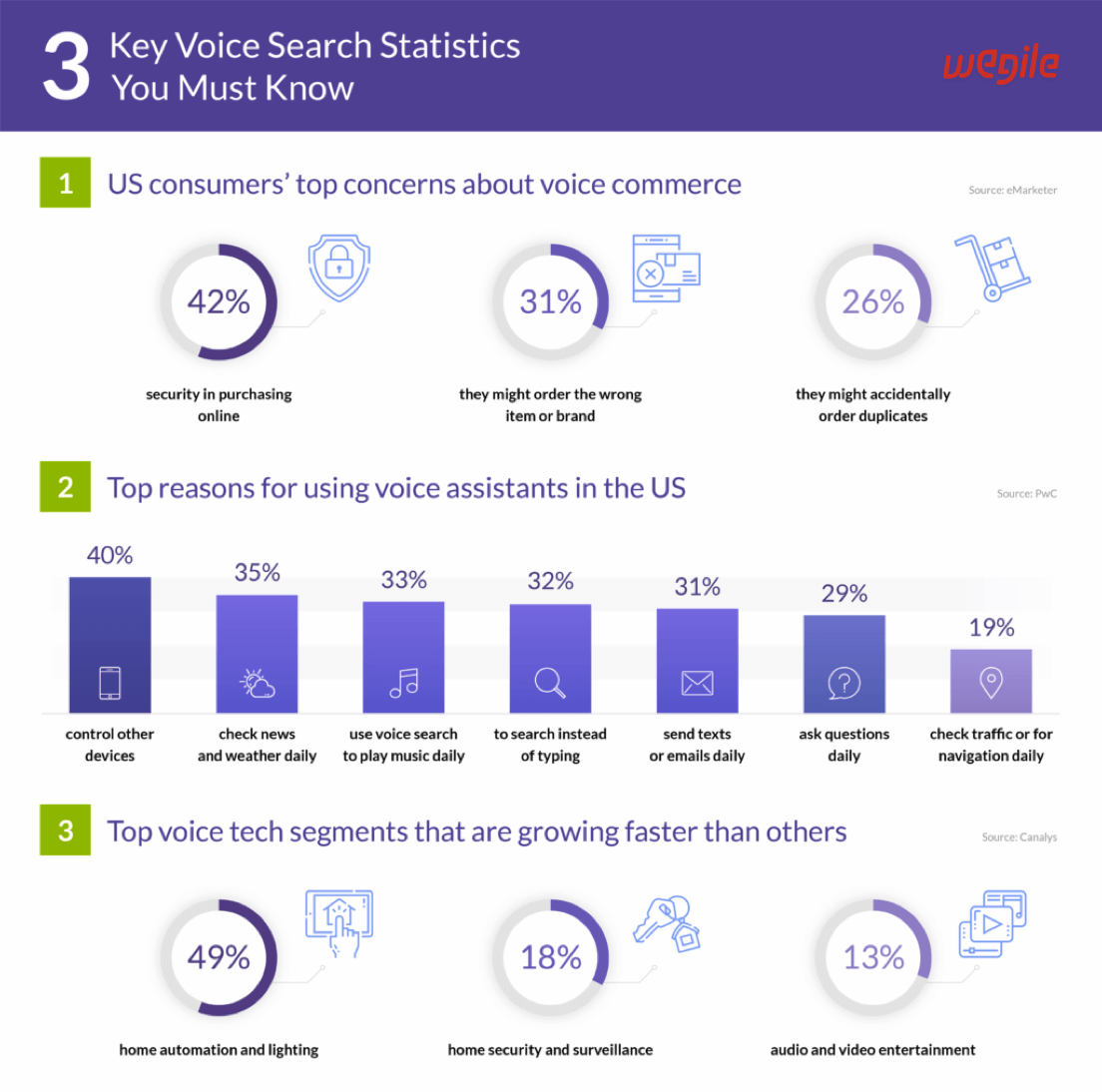
Amazon Alexa and Siri need no introduction today. These voice-based assistants have given
rise to voice search and voice-based shopping. Consumers are ordering their daily essentials
by using Amazon Alexa. For example, “Alexa, order bread and eggs” and Alexa then connects
with Amazon Grocery.The good news is more people are adopting assistants, and hence, voice search is exploding at
a rapid pace. Here’s how you can exploit this trend.How to leverage this trend?
Optimize your eCommerce site for voice-based search along with traditional search.
Ensure descriptions are optimized using questions like what, why, where, and when since they
are most commonly asked questions during voice-based shopping. -
9. Sustainable Approach
We hate to say it, but yes, eCommerce is one of the industries that contributes a significant
portion of global warming. The study by Green
Sense showed that, on average, 2.18 pieces of packaging were used for each product
in the same year, mainly consisting of mixed materials, which are hard to recycle.Moreover, it is estimated that by 2030, the number of delivery vehicles will increase by 36%,
reaching approximately 7.2
million vehicles. So, it is high time to think of a sustainable approach. And
consumers have started noticing it. That’s why many eCommerce shoppers choose brands that
provide eco-friendly packaging and carbon-neutral shipping.How to leverage this trend?
-
Adopt sustainable packaging practices and let customers know about them.
-
Partner with shipping companies that are providing carbon-neutral shipping.
-
-
10. Subscriptions for Win
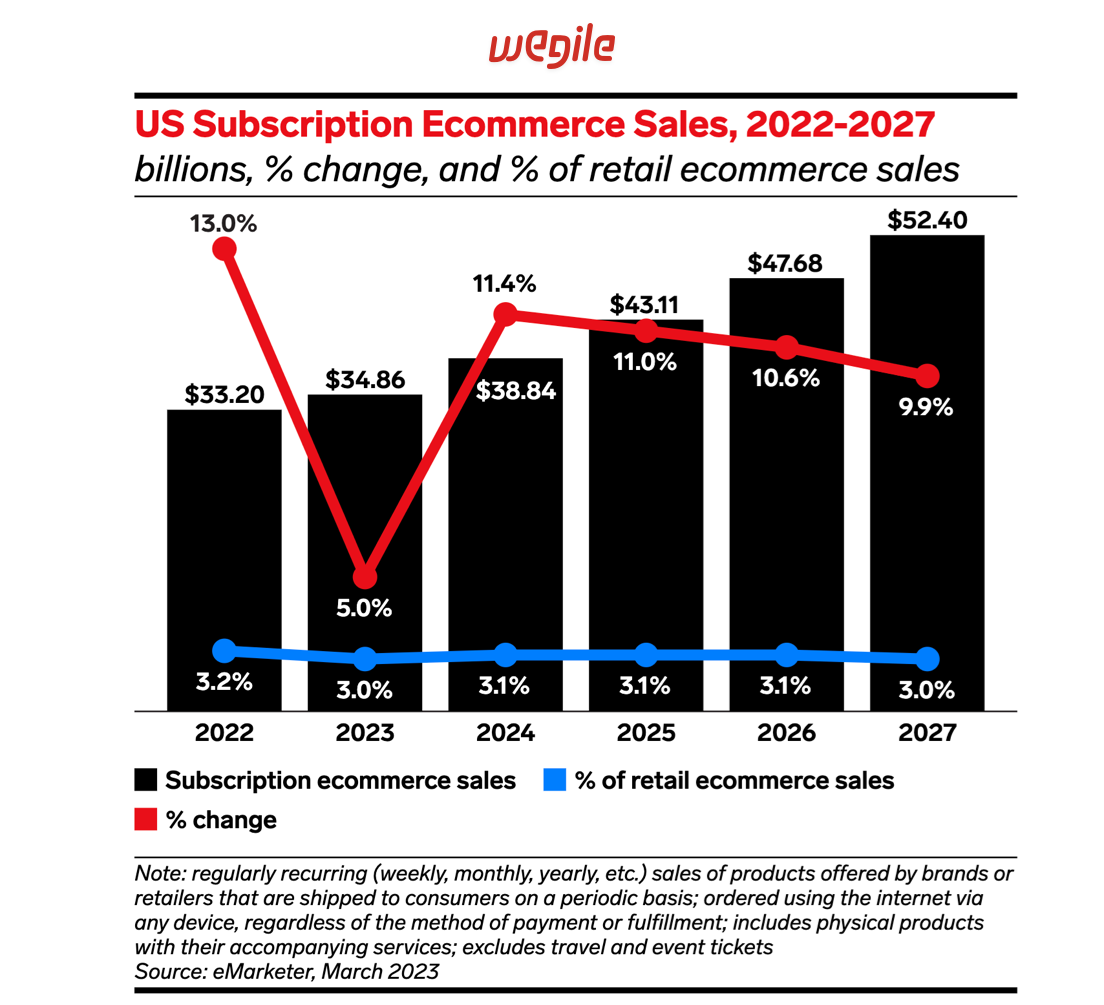
Every month, you will have to order some essentials. What if you could get these essentials
delivered without having to keep buying? This is where the subscription economy has been
rising lately. Top retailers like Lululemon, Walmart, and even Amazon have started
leveraging subscription trends to grow their sales. The main benefit of the subscription
trend is that customers keep coming back, which reduces issues like cart abandonment and
high churn rates. Plus, marketing costs are reduced since customers are buying for longer
terms.How to leverage this trend?
-
See if you can package some products together that can be used for a subscription
eCommerce model.
-
What Will
E-Commerce Look Like In 2030?
In the end, the future of eCommerce is bright. Consumers have now gained trust in online shopping,
which was missing before 2020. However, things change in eCommerce every year, and by 2030, we will
witness a massive rise in hyper-personalization, easy returns, and, most importantly, a better
sustainable approach.
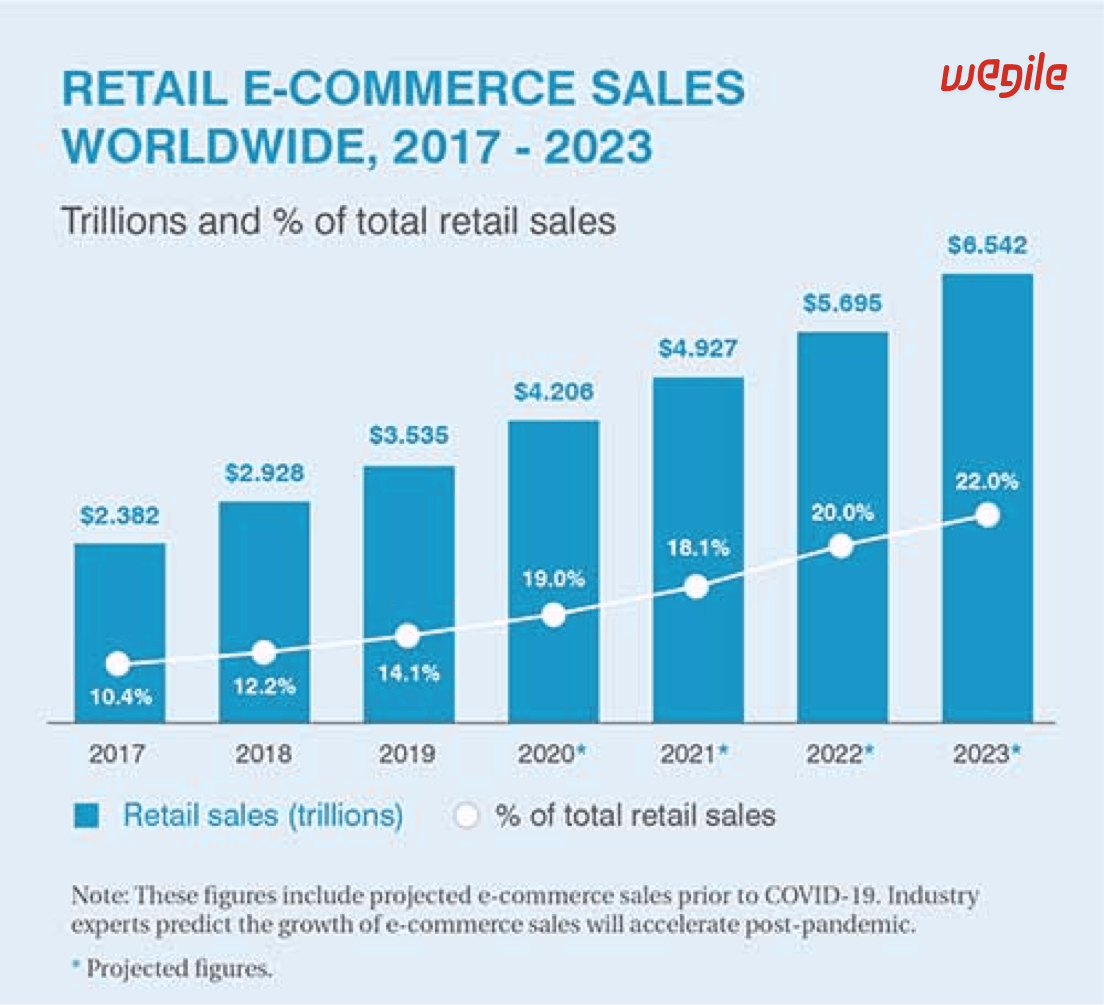
And when it comes to questions like “Will e-commerce keep growing?” the answer is a Big Yes.
eCommerce is here to stay. We will be witnessing a massive rise, with most store owners going
online.
Wrapping Up
With rapidly changing technologies around us, businesses need to adapt to new ways customers want to
buy things. It’s not just about having a website anymore. Now, it’s about making shopping more
accessible and more personal. As an eCommerce business owner, you need to focus on major trends in
eCommerce mentioned above like ensuring their website works well on each type of device, offering
fast delivery, and all other trends.
By keeping up with these changes, businesses can stay ahead in the market. If you would like help
with making your eCommerce site 2024-friendly, then contact the Wegile team. We have a team of
talented mobile and web app developers who can help you make your eCommerce site user-friendly.
Leave a Reply