Fitness apps stand as driving forces behind the worldwide acceleration of fitness developments. The expectation grows stronger for advanced fitness solutions that provide unique and captivating experiences during 2026. The pending revolution in fitness will transform our approach to health through the convergence of Artificial Intelligence insights with Virtual Reality workout capabilities which will recast exercise activities into possibilities.
The following discussion analyses the top 10 developments that will define fitness app development in 2026 and explains their significance.
1. Hyper-Personalization with AI and Machine Learning
Generic workout plans are quickly becoming a thing of the past, as AI and machine learning have already begun to elevate fitness apps to levels of personalization previously unimaginable. These technologies analyze a wide range of user data, including biometrics, lifestyle habits, and even external factors like weather. By 2026 and beyond, this level of customization will only grow more sophisticated, providing users with fitness experiences that feel truly unique.
What to Expect:
- Real-Time Workout Adjustments: Fitness apps already use biometric data, such as heart rate variability and fatigue levels, to modify workout intensity and duration in real time. For example, if your heart rate shows signs of overexertion, the app might reduce intensity or suggest a recovery activity. In the future, these adjustments will become even more precise, factoring in additional metrics like hydration or muscle fatigue for optimized performance.
- Meal Plans with Precision Nutrition: AI is already crafting meal plans based on dietary preferences, activity levels, and food availability. Integration of food scanners and AI image recognition has simplified calorie and macronutrient tracking. Moving forward, these systems will incorporate even more granular insights, such as micronutrient needs and metabolic rates, for highly personalized nutrition plans.
- Predictive Analytics for Injury Prevention: Advanced algorithms are already monitoring patterns of overtraining and irregular activity. Wearables provide insights that notify users of potential risks of strain or injury before they occur. In the years to come, these systems will evolve to predict not just physical risks but also mental fatigue, enabling a more holistic approach to injury prevention.
- Integration with Environmental Data: Fitness plans today are starting to adapt to location-specific variables such as altitude, temperature, or air quality. In 2026 and beyond, these adaptations will be even more dynamic, ensuring users receive real-time advice for optimal performance and safety, no matter the conditions.
2. Immersive Virtual and Augmented Reality Workouts
Virtual and augmented reality are already reshaping the fitness landscape by creating immersive and engaging workout experiences. These technologies make exercise as stimulating as playing a video game or exploring a new world. In 2026 and beyond, their potential will become even more promising, delivering experiences that are more advanced, personalized, and interactive.
What’s Coming:
- Global and Futuristic Settings: Fitness apps already enable users to run through iconic trails like Machu Picchu or explore futuristic landscapes designed to inspire motivation. In the future, these experiences will become even more detailed and realistic, incorporating adaptive environments that respond to user performance and preferences.
- AR-Driven Posture Correction: Augmented reality currently provides real-time overlays to guide form and technique during workouts. This ensures exercises are performed safely and effectively. As AR technology evolves, apps will offer even more precise feedback, including personalized posture adjustments based on body mechanics and movement history.
- Virtual Group Workouts and Competitions: Apps already create virtual spaces for group classes where users can compete in challenges or interact socially through avatars. In the coming years, these experiences will grow more dynamic, with enhanced social features such as live interactions, team-based challenges, and AI-powered virtual trainers to elevate the sense of community.
3. Deeper Integration with Wearable Tech
Apps enormously depend on data from devices like smartwatches and biosensors. This data delivers precise insights and In 2026, this integration will evolve into a fully connected fitness ecosystem.
How This Will Evolve:
- Comprehensive Health Insights: Wearables will go beyond tracking steps and calories. They will provide real-time data on stress, hydration, and sleep quality. Apps will create holistic wellness plans that adapt to users’ evolving needs.
- Workout Optimization: Wearables will sync seamlessly with fitness apps. This will adjust workouts based on live feedback. For instance, a drop in blood oxygen might prompt a less intense workout to prevent strain.
- Data Aggregation Across Devices: Apps will consolidate data from multiple wearables. Users will have a single dashboard for everything from heart health to muscle recovery.
4. Holistic Wellness: Where Fitness Meets Mental Health
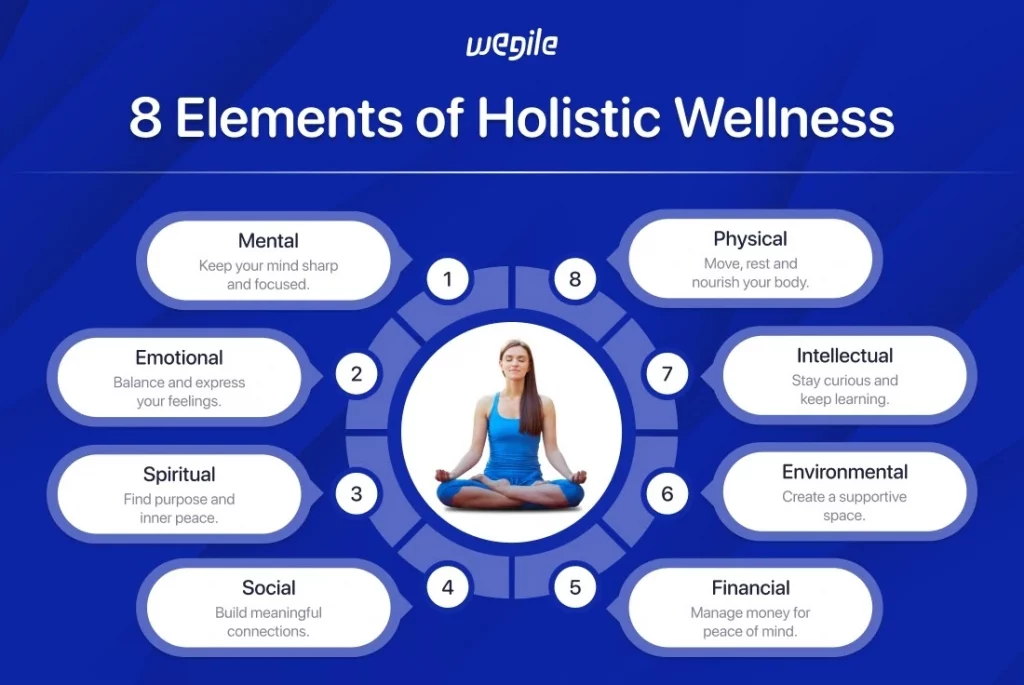
Fitness is no longer just about physical activity. It’s about achieving balance across the body and mind. In 2026, fitness apps will integrate mental health features. These features address stress, anxiety, and recovery in conjunction with exercise. However, in 2026 and beyond, these features will become even more promising, offering deeper integration and enhanced capabilities.
Key Additions:
- Mindfulness Programs: Apps already include guided meditation sessions that align with workouts. For instance, a high-intensity workout might be followed by a mindfulness session to promote relaxation. In 2026 and beyond, these sessions will become even more intuitive, adapting to real-time user needs.
- Biometric-Based Stress Management: Fitness apps currently utilize real-time biometrics like heart rate variability (HRV) to detect stress and provide actionable advice, such as breathing exercises or mindfulness routines. In the future, these features will offer even greater precision by tailoring recommendations to individual stress triggers.
- Sleep as a Pillar of Wellness: Wearables already track sleep accurately, and fitness apps use this data to provide recovery strategies like bedtime routines and optimal workout timing. Moving forward, apps will leverage even more advanced insights, such as sleep stage analysis, to create highly personalized recovery plans.
- Mood-Based Fitness Recommendations: AI-powered mood tracking through surveys or biometric data is already enabling apps to suggest tailored exercises, such as calming yoga for stressful days or energizing cardio for low-energy mornings. In 2026 and beyond, these features will become even more dynamic, offering recommendations that adapt instantly to mood fluctuations throughout the day.
5. Gamification and Social Motivation
In 2026 and beyond, fitness apps continue to use gamification and social connectivity to keep users engaged and motivated. These features are already making an impact but will become even more promising as technology advances.
Innovations to Expect:
- Goal-Based Rewards: Users will earn points, badges, or even real-world discounts. Rewards will be based on achieving fitness milestones like daily steps, completed workouts, or personal records. These systems are already in place but will become even more dynamic and personalized in 2026.
- Team Challenges and Competitions: Apps will introduce team-based challenges. Users can form groups and compete for rankings or prizes.
- Interactive Leaderboards: Real-time leaderboards will let users see how they stack up against friends, local communities, or global participants.
- Story-Based Gamification: Fitness apps may include gamified storylines. Users will unlock new levels, characters, or achievements based on progress. This will add an element of adventure to workouts.
6. Enhanced Subscription Plans with Real Value
The subscription economy is booming and generic offerings won’t work in 2026. Fitness app developers will need to offer value-packed and results-driven experiences. The focus will be on creating subscription models that deliver real and measurable benefits. These plans will also cater to the diverse needs of users.
Here’s how these enhanced subscription plans will evolve:
- Live-Streamed and Personalized Sessions: Users will gain exclusive access to live-streamed classes led by top-tier trainers. Options for one-on-one virtual consultations will also be present. Although these options are still there, they will be revamped for more precision.
- Bundled Discounts on Fitness Essentials: Subscriptions will include exclusive perks like discounts on wearable devices and fitness gear. Users may also enjoy offers on supplements or even healthy meal delivery services. Collaborations with leading brands will make premium plans highly attractive.
- Comprehensive Wellness Programs: Fitness apps will package workouts, nutrition, and mental health support into cohesive wellness plans. Subscribers can expect meal tracking tools and guided meditation sessions. Sleep coaching and recovery advice will also become an integral part of the fitness journey.
- Custom Challenges and Results Tracking: Apps will likely introduce custom challenges tailored to personal goals. Progress tracking and measurable results will keep users motivated. Subscribers will gain access to exclusive insights like monthly performance reports and personalized recommendations.
- Freemium with Impactful Premium Tiers: Freemium models will remain popular. Premium tiers, however, will focus on offering transformative experiences. Users will see value in advanced analytics and priority customer support.
7. Inclusive and Accessible Fitness Solutions
The fitness app industry has long been tailored to the young and able-bodied and the good news is that is about to change. In 2026, inclusivity and accessibility will be at the forefront of fitness app development. Everyone, regardless of age or location, will have access to fitness solutions.
Here’s how inclusivity will transform fitness apps:
Adaptive Workouts for Diverse Needs: Apps will offer tailored fitness programs for individuals with disabilities or chronic conditions. Unique mobility requirements will also be considered. For example, seated yoga or low-impact cardio for arthritis patients will become easily available.
Cultural and Language Diversity: Developers will create content that resonates with users worldwide. Instructors from diverse backgrounds, multilingual options, and culturally relevant workout styles will be featured. A fitness app in 2026 will feel just as welcoming in rural India as it does in urban New York.
Lightweight Apps for Broader Reach: Not everyone has access to the latest smartphones. Apps will optimize for low-spec devices as this will ensure smooth functionality without consuming excessive storage or data.
Elder-Friendly Features: The aging population is growing. Apps will include features specifically designed for older adults. These features will include larger fonts, simplified navigation, and workouts aimed at improving balance, flexibility, and joint health.
8. Data Privacy as a Priority
Fitness apps handle some of the most sensitive user data. This includes health metrics, location, and daily habits. In 2026, data privacy and transparency are non-negotiable for users. Apps that fail to prioritize security will struggle to build trust.
Here’s what leading apps are implementing:
- Transparent Data Policies: Apps in 2026 strictly need to clearly communicate how they collect, store, and use user data. Privacy policies need to be simplified and jargon-free. Users should be able to understand these policies without legal expertise.
- Regulatory Compliance: Privacy laws like GDPR and HIPAA set the standard. Fitness apps must meet these stringent compliance requirements.
- User-Controlled Data Sharing: Giving users control over their data is becoming a hallmark of trustworthy apps. Opt-in data sharing and accessible privacy settings will become standard features in the coming year.
9. Sustainability-Focused Friendly Fitness Apps
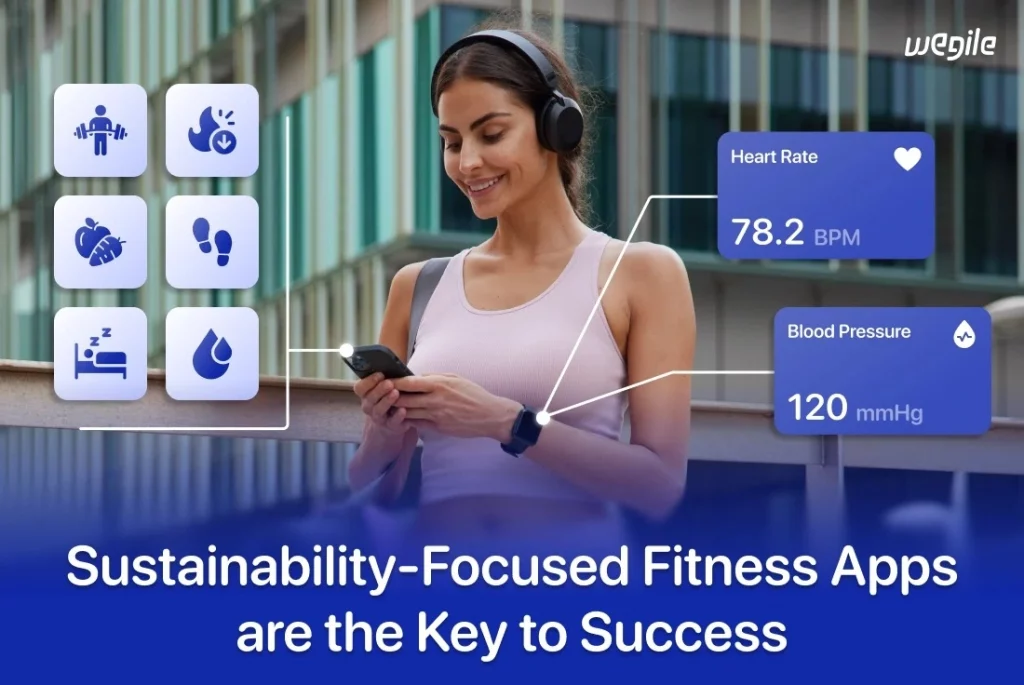
Sustainability is no longer a trend as it is now a necessity. In 2026, fitness apps will embrace eco-conscious practices with even more emphasis. This will align with user values and contribute to a healthier planet.
Here’s what sustainability will look like in fitness apps:
Virtual Events with a Green Focus: Apps will host virtual marathons, yoga sessions, and other events. They are already having these features but the momentum is going to grow at a lightning speed. These events will eliminate the need for travel or physical venues. It will enormously reduce carbon footprints.
Partnerships with Eco-Friendly Brands: Fitness apps will collaborate with sustainable companies and these fruitful collaborations will offer eco-friendly fitness gear. Recycled yoga mats and ethically sourced workout apparel are also becoming mainstream.
Carbon-Neutral Hosting: Apps rely heavily on cloud servers. Many developers will switch to providers that use renewable energy. They will also counteract carbon emissions and invest in reforestation projects.
Green Challenges for Users: Apps will introduce challenges that promote eco-friendly habits. These could include biking to work and reducing single-use plastics. Rewards will encourage users to adopt these habits.
10. Smarter Nutrition Tools Powered by AI
In 2026, fitness apps will fully integrate AI-powered nutrition coaching. This will make it easier for users to align their eating habits with fitness goals.
Here’s how these tools will elevate user experiences:
Dynamic Meal Plans: AI will create meal plans tailored to individual preferences. It is already doing the same but allergies, fitness objectives, and dietary restrictions will also be considered in newer versions. Whether you’re keto, vegan, or gluten-free, the app will offer a perfect menu.
AI-Powered Grocery Lists: Nutrition tracking will go beyond calorie counting. AI will generate shopping lists based on dietary needs. These lists will integrate with online grocery platforms for seamless ordering.
Food Scanners for Instant Analysis: Users will be able to snap a photo of their meal. They will instantly receive a nutritional breakdown of calories, macros, and potential allergens. AI-powered food scanners will make this possible.
Real-Time Diet Adjustments: If you burn extra calories during a workout, the app will adjust your meal plan instantly. This will bring proper recovery and energy balance.
Final Thoughts
The fitness app industry is entering an era of remarkable innovation and growth. And as technology advances, the emphasis will shift to creating apps that are smarter and also more inclusive and secure.
For users, this means better tools to meet their health goals. For developers, it is a glorious opportunity to redefine what fitness means in a hyper-connected and tech-driven world. The future of fitness is here, let’s get moving. And if you need help exploring these trends and creating fine-tuned apps, connect with Wegile. We excel in fitness app development. Our agile team specializes in delivering fitness apps tailored to your needs.
Leave a Reply