How do applications like OyeTalk create communities that seem to pop up out of nowhere? Everyone seems to be talking, sharing, and connecting on these platforms, but constructing one yourself feels like a jungle of code, design, and user engagement strategies. The challenge is real: how do you create a space that’s as vibrant, engaging, and dynamic as OyeTalk without getting lost in the complexities? You’re not alone in thinking that social media platform development is overwhelming. You have huge ideas and a place where users can talk, share stories, and bond over shared interests. But where do you even start?
You may be hesitant to balance user experience, scalability, and security. “Is it even possible to build something that can compete with the giants out there?” You may struggle to execute your vision due to frustration over the next steps. However, building a social media platform like OyeTalk is possible, exciting, and rewarding! This blog will walk you through the process, which seems like a daunting task but is a thrilling journey. From technical foundations to community-building techniques that keep users coming back, we’ll explore what makes platforms like OyeTalk tick. You’ll have a plan for achieving your social media goal by the end. Additionally, who knows if your platform might be the next great thing?
Understanding the OyeTalk Phenomenon
Explore the market dynamics, user behaviour trends, and product mechanics that have positioned OyeTalk as a fast-growing social audio platform.
1. Niche Market Appeal
OyeTalk has tapped into a specific niche which is real-time voice interaction that many larger platforms have overlooked. Most social media apps focus on text and images, but OyeTalk understood the value of voice for more personal and engaging conversations. By targeting this niche, OyeTalk has attracted people who want real connections, whether through deep conversations, casual chats, or live performances. The success of OyeTalk shows the necessity of establishing a unique value proposition when creating a new social media network.
In a crowded market, attempting to please everyone might shift the focus of your brand. Instead, targeting a specialized audience like OyeTalk did helps in increasing user loyalty and engagement. This strategy differentiates you from the competition and builds a community where users feel understood and respected. The lesson for new social media platforms is to locate a market gap, analyze the needs of a niche, and offer a customized experience. This strategy goes beyond differentiation. It aims to provide a platform that users appreciate.
2. Feature Set Analysis
OyeTalk’s features demonstrate how to engage users and retain them. At the heart of OyeTalk are its voice chat rooms, where users can have live audio chats on various themes. This feature alone distinguishes OyeTalk from text-heavy platforms, making user interactions more dynamic and intimate.
- Live Audio Discussions: These rooms allow users to join conversations in real-time, giving them a sense of immediacy and presence that text-based platforms lack. Users return to join or listen to live discussions because of their spontaneous nature.
- Talent Showcase: OyeTalk also offers a space for users to showcase their singing, storytelling, and other audio skills. This feature not only entertains but also fosters a community of supportive individuals.
- Virtual Gifts and Rewards: To boost user engagement, OyeTalk uses virtual gifts and awards. These aspects make the experience more gamified and promote community participation. Users can send and receive virtual gifts during live sessions, creating a rewarding experience that feels personal and interactive.
- Social Interaction: OyeTalk lets users follow one another, join clubs, and attend community events in addition to chatting. This multifaceted approach to social engagement enables platform users to develop lasting bonds.
- Mini-Games: OyeTalk offers mini-games in the chat room to keep users entertained. These games offer a fun and competitive approach, boosting the platform’s attractiveness.
- Language Diversity: OyeTalk supports different languages to reach a worldwide audience. This inclusivity is key to its growing popularity in diverse regions.
Thus, these features help social media platforms build a lively and active user community, which is crucial to their long-term success. Making it a top voice-based social platform, OyeTalk has carefully selected its features to give users many ways to interact, participate, and delight themselves.
3. Monetization Strategies
OyeTalk’s monetization techniques are as inventive as its features, offering several capital sources for varied user preferences. In-app purchases, especially virtual gifts and awards, are its main model. These gifts can be bought with real money and sent to friends and favorite speakers during live sessions. This boosts income and user engagement by showing appreciation in a practical way. Premium subscriptions serve as an additional revenue stream for OyeTalk. These subscriptions provide private chat rooms, profile enhancements, and voice chat priority. By giving value-added services, OyeTalk encourages free customers to upgrade, creating steady revenue.
OyeTalk uses advertising without disrupting the user experience. Brands can reach highly engaged audiences without annoying them with banners or pop-ups with native advertisements, which are perfectly incorporated into the platform. This strategy keeps users interested and generates income for the platform. OyeTalk suggests diversifying monetization techniques for new social media networks. In a fast-changing digital market, relying on one income model can be an unwise decision. Instead, consider offering a mix of in-app purchases, premium memberships, and smart advertising for a more sustainable and scalable economic plan. Additionally, OyeTalk’s unobtrusive ads can also boost income while maintaining user satisfaction.
Critical Considerations While Building an App Like OyeTalk
Before moving forward, evaluate the technical, regulatory, and user experience factors that will define the long-term success of an app like OyeTalk.
1. Market Research and Competitor Analysis
Market research and competitor knowledge are essential to building a social media platform. Before coding, you must understand the landscape. What are the current trends? Which platforms are thriving and why? Analyzing your competitors’ features might reveal their strengths and, more significantly, their weaknesses. These gaps present opportunities for your app to make an impact. For example, you can differentiate yourself if your competitors lack a significant voice interaction aspect like OyeTalk. Understanding user sentiment toward existing platforms can reveal what people like, dislike, and want. Knowing this, you can pitch your application as the solution consumers have been waiting for, not just another alternative.
2. Defining Your Target Audience
Knowing who you’re building your app for is just as crucial as the features you’ll include. Real people with particular requirements, tastes, and behaviors make up your target audience. Start by creating detailed user personas, such as imaginary characters that represent different user segments. Ask questions like what their pain points are, the social media sites they use, and what they expect those platforms to do better. Understanding that your audience loves real-time, voice-based interaction can inform many design and feature decisions for an app like OyeTalk. The better you know your users, the better you can tailor your platform to meet their needs. This ensures higher engagement and user satisfaction. Remember, a user-focused platform is more likely to succeed.
3. Essential Features vs. Nice-to-Have Features
When planning app features, it’s easy to get carried away with possibilities. But remember, not all ideas need to be in your app’s first edition. Start by determining the main characteristics your platform needs to work and resonate with your audience. It might include real-time voice chat, user profiles, and community administration features for apps like OyeTalk. These are the non-negotiable aspects. After mapping out these essential elements, you can explore adding nice-to-have features that could improve the user experience but aren’t necessary during the initial launch. This might be user analytics or customizable avatars. Prioritizing this approach keeps you focused and on budget and guarantees your software has a clear, compelling value proposition.
Technical Development: Building the Backbone
Beyond having a brilliant idea, a successful social media platform needs a solid technical basis to scale, ensure smooth user experiences and secure data. This section will walk you through critical technical considerations that will shape your platform’s future.
1. Choosing the Right Technology Stack
Choosing the technology stack for your social media platform is like choosing the right tools for building your dream home. You want the right materials that fit your vision and ensure long-lasting quality. Node.js, Python, and Ruby on Rails are popular backend languages for flexibility and efficiency. On the front end, frameworks such as React, Angular, or Vue.js provide the dynamic, responsive interfaces users expect. Databases like PostgreSQL and MongoDB offer different benefits depending on your data needs. To ensure easy integration, use technologies that match your goals.
2. Ensuring Scalability from Day One
Scalability makes the difference between a platform that fails and one that grows seamlessly as users grow. From the start, consider how your platform will support thousands or millions of users. This requires a robust architecture that can scale horizontally, adding servers as needed without affecting user experience. Consider AWS, Google Cloud, or Azure for scalable resources that meet your platform’s needs. Early scaling planning ensures your platform can absorb traffic spikes and retain performance.
3. Security and Data Privacy Considerations
Cyberattacks are the fastest way to ruin social media platforms nowadays. Users trust you with their data, and it’s your responsibility to protect it. This starts with implementing strong encryption methods, both for data at rest and in transit. Regular security audits, penetration testing, and updates are essential to prevent vulnerabilities. Additionally, be clear about your data privacy policies. Let users know how their data is being used and give them control over it. Following best practices like GDPR compliance protects consumers and develops confidence. This is a crucial element for any social media platform.
User Experience and Interface Design: Crafting the User Journey
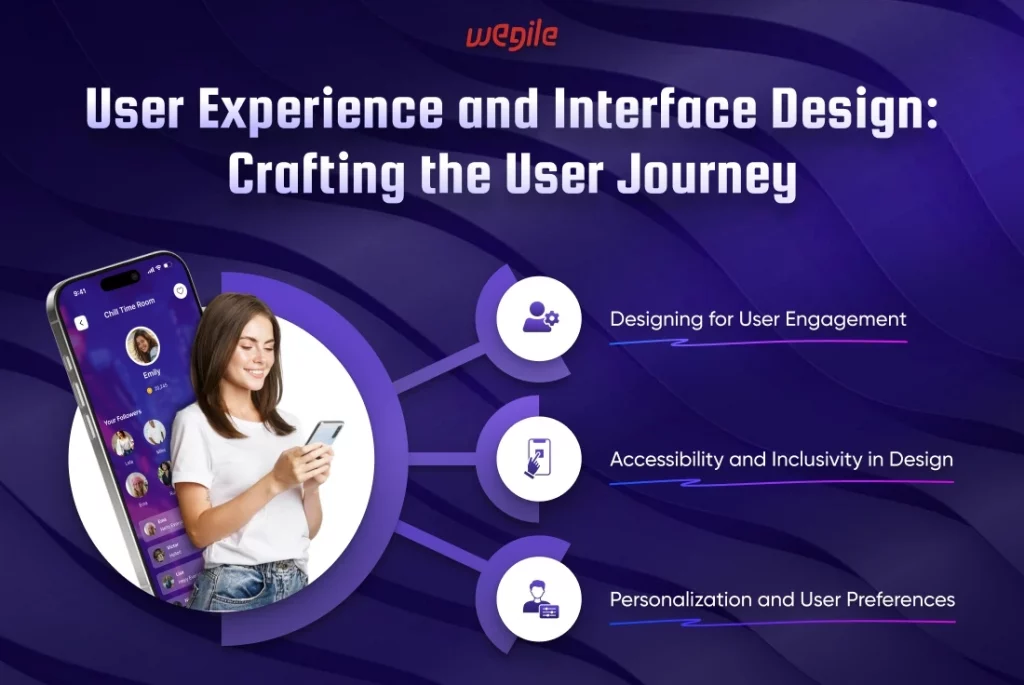
Creating a successful social networking platform requires features that are easy to use, visually appealing, and, most importantly, interactive. UX and UI design has a huge impact on how users interact with the platform and how much they engage with it. Let’s discuss how to develop a user path that keeps people coming back.
1. Designing for User Engagement
Every effective social media app has a design that attracts and engages users. For this, simplicity is crucial. Your platform should be intuitive enough for users without needing a tutorial. A simple, clean interface lets consumers discover what they need quickly, making their experience pleasant. Another important principle is consistency. Create a consistent app design language, including colors, fonts, and button styles.
Consistent design creates a sense of familiarity, making users feel more comfortable and confident as they explore your platform. User engagement goes beyond looks since feedback approaches are essential. Feedback, whether it’s on a subtle animation when a button is hit or a notification that acknowledges their actions, helps users feel in control and reassures them that the app is working as expected. Real-time engagement can make your platform feel more vibrant and responsive, encouraging users to stay longer.
2. Accessibility and Inclusivity in Design
Accessibility and inclusivity are essential when designing a social networking platform. Your app must be accessible to anyone to reach the most people. This includes screen reader compatibility, high-contrast typography, and image alt text for visually impaired users. The inclusivity aspect considers cognitive and motor-impaired users. Simple motions, wide touch targets, and clear, simple text can make your platform more accessible.
To accommodate individuals with fine motor control challenges, making all interactive components keyboard-only can be beneficial. Moreover, consider cultural inclusivity. Your platform should support multiple languages, symbols, and cultures. This could include multilingual support or cultural customization. Prioritizing accessibility and diversity creates a platform that serves more people and shows your commitment to equality and user-centric design.
3. Personalization and User Preferences
Users appreciate a customized experience that suits their individual preferences. Users can opt for a theme or layout or receive personalized content feeds based on their interests and interactions. Users should feel that the platform is customized for them. Through adaptive content, the app learns from user interactions and presents information that caters to their interests, maximizing personalization.
For instance, if a user consistently engages with a particular hobby, the platform may prioritize it in their feed. This improves user satisfaction and engagement by keeping content relevant. Personalization also involves offering users choices over alerts and privacy. Users can manage their data and platform interactions with extensive privacy options and choose how and when they receive notifications to avoid feeling overwhelmed. Personalization is about making users feel valued and understood, not merely offering additional alternatives. You can increase user engagement, loyalty, and platform connection by customizing the experience.
Wrapping Up
Building a social media platform like OyeTalk is about creating a community where voices can be heard, connections made, and ideas can flourish. From brainstorming your unique features to designing a user-friendly space, every step helps you create a space where people feel appreciated and engaged. Understand your audience’s demands, not just the code or features. Keep the lines of communication open, listen to feedback, and be ready to adapt. Your platform can stand out in the fast-paced digital world with a clear vision and some innovation. So, whether you’re just starting or looking to expand, take it one step at a time. If you’re looking to build an app like OyeTalk, look no other than Wegile! We’re a top social media app development company that will support your app development endeavors. Ready to build the next social media sensation? Get in touch with us to get started with your application development journey today!
Leave a Reply