
Artificial Intelligence (AI) has become a cornerstone of modern technology, revolutionizing
industries by enhancing efficiency and creating innovative solutions. Among the various AI
advancements, Generative AI stands out today. But what problems can it solve? Generative AI can
address multiple challenges with its ability to create new content, from text and images to music
and entire virtual worlds. This revolutionary technology is transforming industries by automating
creative processes and enhancing productivity.
The latest studies indicate that the Generative Artificial Intelligence market is forecasted to
expand significantly in the coming years, reaching an estimated value of
$1.3 trillion
by 2032. Generative AI’s popularity stems from its transformative potential. It can
automate content creation, personalize user experiences, and even assist in complex problem-solving
across diverse fields. As a result, businesses are increasingly exploring use cases for generative
AI to stay competitive and innovative. In this blog, we will explore the various use cases for
Generative AI, exploring its applications, benefits, and challenges in its development.
What is Generative AI?
Generative AI is a subset of artificial intelligence that focuses on creating new content by
learning
patterns from existing data. Unlike traditional AI, which primarily analyzes and predicts,
Generative AI can produce novel text, images, audio, complex simulations, etc. This capability stems
from advanced models such as
Generative Adversarial Networks
(GANs) and
Variational Autoencoders
(VAEs), which have redefined what machines can create autonomously.
The history of Generative AI dates back to the early 2000s, with significant milestones such as the
introduction of GANs by Ian Goodfellow in
2014
.
Initially, Generative AI was used for basic applications like
image denoising
and simple text
generation. Researchers and developers recognized its potential to automate creative processes,
leading to its adoption in various fields. Over time, advancements in neural networks and
computational power have expanded its use cases, making it an indispensable tool in industries such
as healthcare, entertainment, and finance.
Today, Generative AI’s applications are vast and varied. It is used to generate realistic images and
videos, create personalized marketing content, compose music, design complex architectural
structures, and much more! The shift from primary use cases of Generative AI to sophisticated
applications highlights the technology’s evolution and growing importance in solving real-world
problems.

Benefits of
Using Generative AI
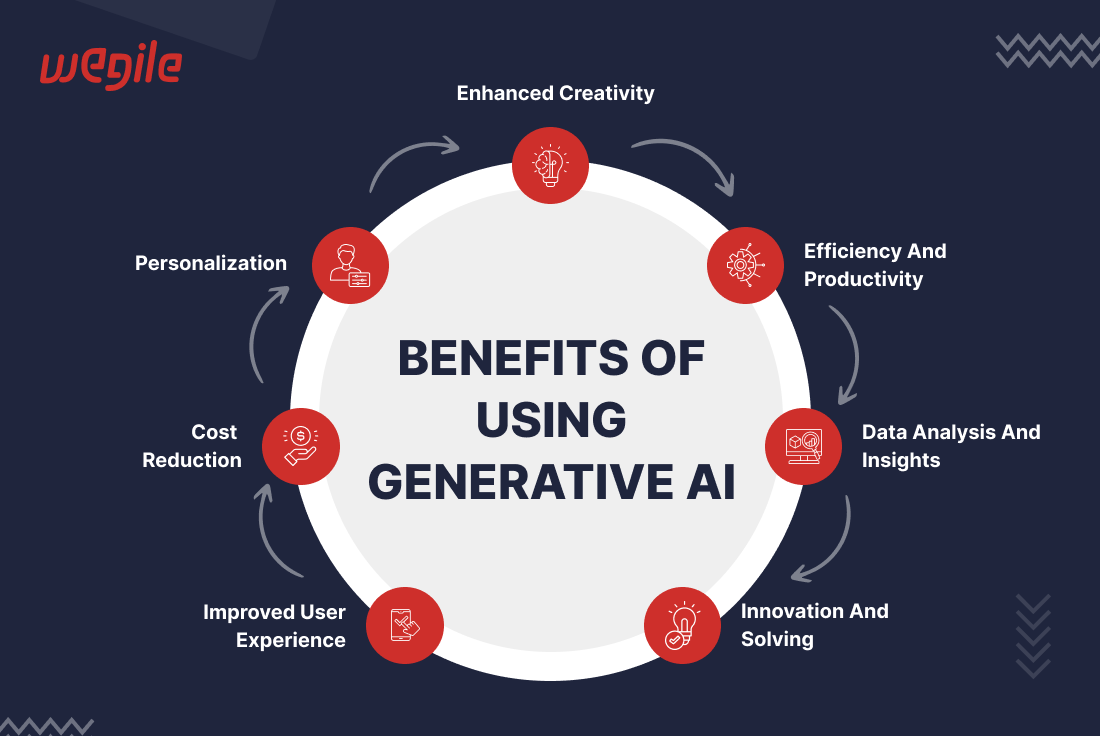
Generative AI offers benefits that reshape industries and drive innovation. By leveraging advanced
algorithms, Generative AI can generate fresh content, streamline operations, and deliver tailored
experiences, making it a valuable tool for businesses and individuals. Here are some key benefits of
Generative AI:
-
Enhanced
CreativityGenerative AI acts as a powerful creative assistant, generating ideas and content that push
the boundaries of human creativity. It can produce original art, music, and writing, helping
artists and creators explore new artistic directions. -
Efficiency and Productivity
By automating repetitive tasks and generating content quickly, generative AI significantly
boosts efficiency and productivity. Businesses can streamline operations, reduce manual
labor, and accelerate project timelines. -
Personalization
Generative AI excels at creating personalized user experiences. It analyzes user data to
tailor content, recommendations, and interactions, enhancing customer engagement and
satisfaction. -
Cost Reduction
Implementing generative AI can lead to substantial cost savings. It reduces the need for
extensive human resources in content creation and other repetitive tasks, allowing
businesses to allocate resources more effectively. -
Innovation and Problem Solving
Generative AI contributes to innovation by solving complex problems beyond human capability.
It can simulate various scenarios and generate solutions, making it invaluable in drug
discovery and
climate modeling
. -
Data
Analysis and InsightsGenerative AI can analyze vast datasets and generate insights that drive decision-making. It
uncovers patterns and trends that might be missed by traditional analysis, providing a
competitive edge. -
Improved
User ExperienceBy creating engaging and interactive content, generative AI enhances the overall user
experience. It can develop immersive environments and responsive systems that adapt to user
inputs, making interactions more intuitive and enjoyable.After we have explored the benefits of generative AI, the real question arises: how
generative AI can be used in the real world? Keep reading as we will explore the use cases
for generative AI!
Use Cases for
Generative AI
The transformative potential of generative AI is vast and varied, touching numerous sectors with its
innovative applications. In this section, we will explore a comprehensive list of use cases for
generative AI, highlighting how it revolutionizes various industries.
-
1.
Use Cases for Generative AI: Content
Creation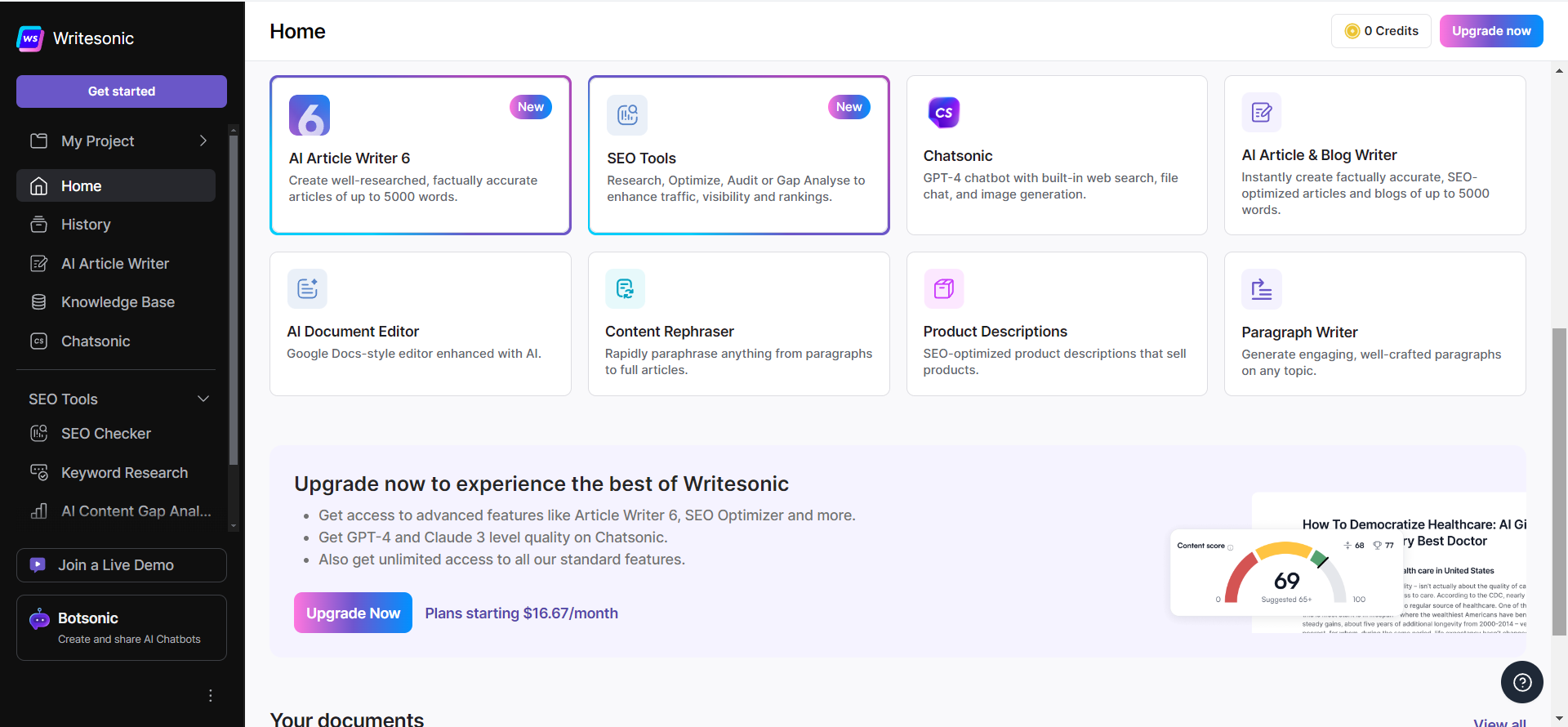
Generative AI has significantly impacted the field of content creation, revolutionizing how
businesses produce high-quality articles, social media posts, and marketing copies. By
leveraging advanced machine learning algorithms, generative AI models analyze vast amounts
of data to generate coherent, engaging, and contextually relevant content. This automation
saves time and resources and ensures consistency and quality across various content
platforms. Businesses can now focus on strategy and creativity while AI handles the bulk of
content generation, enhancing efficiency and scalability.Top Industries Using Generative AI for
Content GenerationContent creation through generative AI is widely used in the media, marketing, and
publishing
industries. These sectors benefit from the ability to produce large volumes of content
quickly and cost-effectively, ensuring they can keep up with the ever-increasing demand for
fresh and engaging material.Examples of Companies Using Generative
AI for Content Creation-
1.
The Washington Post:
Utilizes AI to generate news articles and reports through its Heliograf system,
which
helps cover a wider range of topics more efficiently. -
2. Forbes: Forbes uses
Bertie to
assist journalists by suggesting topics and headlines and also generating drafts for
articles. -
3. HubSpot: Implements
AI-driven
tools to create personalized marketing content and automate social media posts,
enhancing engagement with their audience.
Top Tools for Content Creation
-
GPT-3 by
OpenAI:
is one of the most advanced language models, capable of generating high-quality text
for
various applications. -
Writesonic: Writesonic is
a
popular tool for marketers and content creators to produce optimized content for
blogs,
ads, and social media. -
Copy.ai:
Copy.AI is an AI-powered
writing assistant that generates marketing copy, product descriptions, and other
forms
of content quickly and efficiently.
-
-
2.
Use Cases for Generative AI: Image
Generation
Generative AI is currently generating a lot of buzz due to its image generation
capabilities,
which create realistic images from textual descriptions or minimal input data. This
technology is utilized to produce everything from synthetic
media for
entertainment to realistic product images for e-commerce, offering a new level of creativity
and efficiency. By analyzing patterns and details from large datasets, generative AI models
can generate visually appealing and contextually relevant images. This capability allows
businesses to produce custom visuals on demand, significantly reducing the time and cost
associated with traditional image creation methods.Top Industries Using Generative AI for
Image GenerationThe entertainment, fashion, and e-commerce industries extensively use image generation
through generative AI. The growth of AI in these sectors is driven by the demand for
high-quality, unique visual content that can enhance user engagement and provide a
competitive edge.Examples of Companies Using Generative
AI for Image Generation-
1. NVIDIA: NVIDIA uses
generative
adversarial networks (GANs) to create highly realistic images and animations
showcased
through their research and product innovations. -
2. Adobe: Integrates AI
into
its
Creative Cloud suite, allowing users to generate images and artworks based on simple
sketches or textual inputs. -
3. Netflix: Netflix uses
generative AI to create personalized thumbnails and promotional images, enhancing
the
visual appeal of its content library and improving user engagement.
Top Tools for Image Generation
-
DALL-E by OpenAI:
An
advanced model that generates detailed images from textual descriptions, showcasing
the
versatility and creativity of generative AI. -
DreamStudio: A
cutting-edge tool that transforms photos into artwork and creates stunning visuals
based
on user input. -
MidJourney: Allows
users
to generate and mix images, creating unique artworks and realistic portraits through
a
collaborative AI-powered platform.
-
-
3.
Use Cases for Generative AI: Video
Creation
Generative AI is transforming the video creation landscape by automating the production of
high-quality videos, including animations, deepfakes, and synthetic media. This technology
can analyze vast amounts of visual and audio data to create realistic and highly customized
videos. By leveraging generative AI, businesses and creators can produce engaging video
content more efficiently and cost-effectively than traditional methods. This innovation is
precious in the marketing, entertainment, and educational sectors, where the demand for
compelling video content continually increases.Top Industries Using Generative AI for
Video CreationVideo creation through generative AI is extensively used in the entertainment, advertising,
and education industries. These sectors benefit from the ability to quickly produce tailored
video content that resonates with their target audiences, enhancing engagement and
effectiveness.Examples of Companies Using Generative
AI for Video Creation-
1. Warner
Bros: Uses
AI to
enhance special effects and create realistic animations, reducing production time
and
costs while maintaining high-quality output. -
1. Synthesia: Employs AI
to
generate synthetic videos with realistic avatars for corporate training, marketing,
and
personalized messages. -
1. Facebook
(Meta):
Utilizes AI
to create personalized video ads and content, improving user engagement and ad
effectiveness on its platforms.
Top Tools for Video Creation
-
DeepBrain: An AI-powered
video generation platform that creates realistic videos using deep learning
techniques,
perfect for marketing and educational content. -
Runway
ML: The platform is a
creative suite that uses AI to assist in video editing and creation, allowing users
to
generate and manipulate video content. -
Synthesia: Synthesia is
a
tool that enables the creation of AI-generated videos with realistic avatars, and it
is
used extensively in corporate communications and e-learning.
-
-
4.
Use Cases for Generative AI: Code
Generation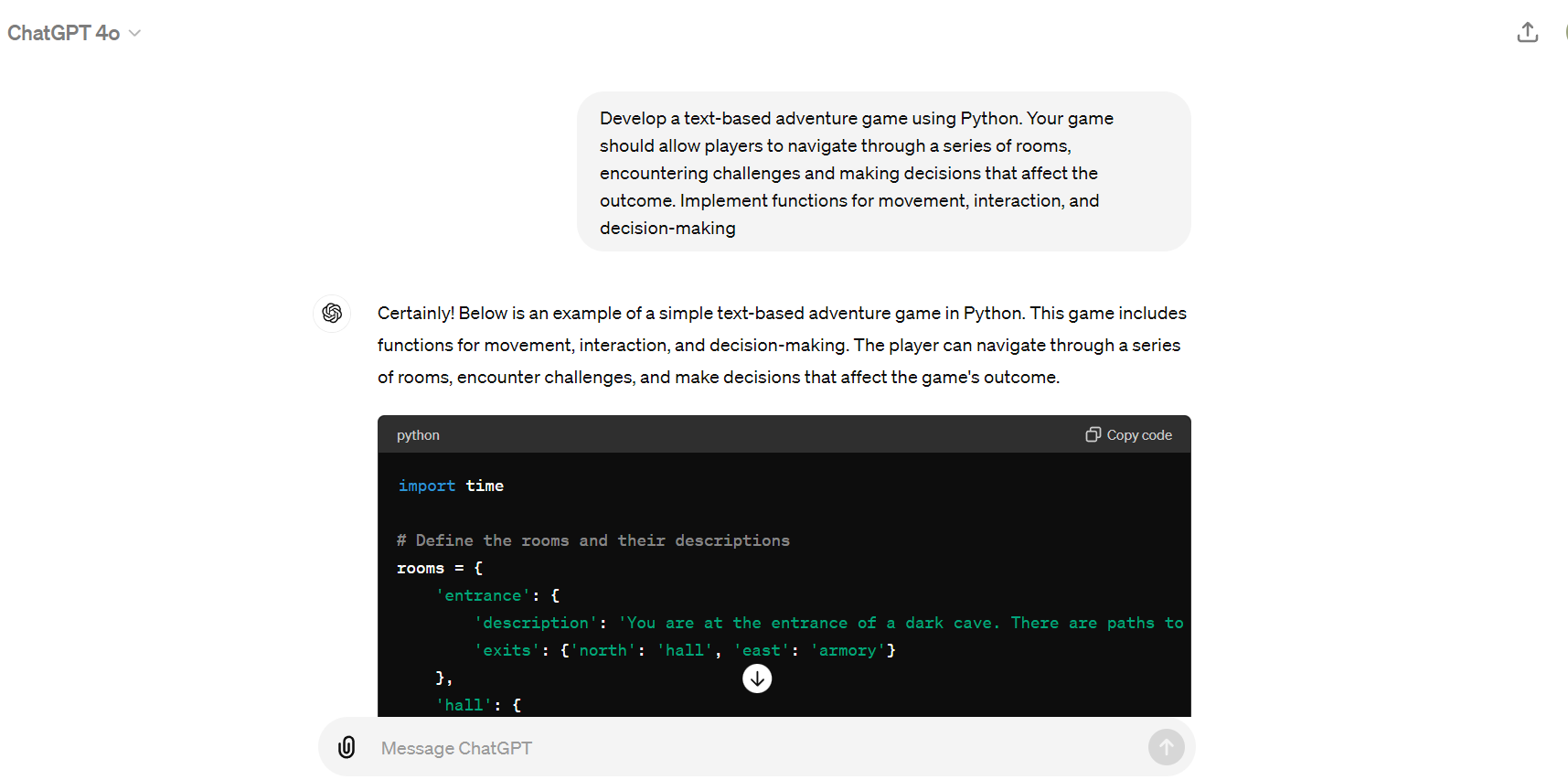
Generative AI has opened new possibilities in software development by automating code
creation. This technology leverages machine learning models to understand programming
languages and generate code snippets, functions, or even entire programs based on given
inputs. By doing so, generative AI helps developers streamline their workflow, reduce coding
errors, and accelerate project timelines. This capability is particularly useful in tasks
such as bug fixing, code refactoring, and developing repetitive code segments, allowing
developers to focus on more complex and creative aspects of their projects.Top Industries Using Generative AI for
Code GenerationCode generation through generative AI is widely adopted in the technology, finance, and
healthcare industries. These sectors utilize AI-generated code to enhance software
development processes, improve productivity, and maintain high standards of code quality.Examples of Companies Using Generative
AI for Code Generation-
1. Amazon Web
Services
(AWS):
Uses AI to automate code generation and improve software development efficiency
within
its cloud services. -
2. Intel: Employs AI-driven
code
creation to optimize software performance and streamline application development
processes. -
3. Salesforce:
Utilizes
generative AI in its development tools to assist in code generation, debugging, and
optimization, enhancing the productivity of its development teams.
Top Tools for Code Generation
-
GitHub
Copilot: An
AI-powered code generation tool that suggests code in real-time, making development
faster and more efficient. -
TabNine: An AI assistant
that
offers intelligent code completions for multiple programming languages, enhancing
developer productivity. -
Codex by
OpenAI: A powerful model that understands and writes code in various
programming
languages, providing developers with versatile coding assistance.
-
-
5.
Use Cases for Generative AI: Music
Generation
Generative AI has made impressive progress in the field of music generation, where it can
compose original music tracks, generate harmonies, and even create new musical styles. By
analyzing vast datasets of existing music, these AI models learn the patterns and structures
of different genres and styles, allowing them to create new compositions that are both
unique and stylistically coherent. This capability is invaluable for musicians, producers,
and content creators who need a continuous supply of original music.Top Industries Using Generative AI for
Music GenerationMusic generation through generative AI is widely used in the entertainment, gaming, and
advertising industries. These sectors benefit from the ability to quickly produce custom
music that enhances their projects and engages their audiences.Examples of Companies Using Generative
AI for Music Generation-
1. Sony CSL
Research
Laboratory: Developed the AI system
Flow
Machines, which has created entire albums of AI-composed music, blending
different musical genres. -
2. Aiva
Technologies: Aiva
Technologies uses AI to compose symphonic music for various applications, including
film
scoring, advertising, and video game soundtracks. -
3. Endlesss Studio: A collaborative music creation
platform that uses AI to help musicians create and share original compositions in
real
time.
Top Tools for Music Generation
-
Aiva:is an AI composer
popular
for creating music for different purposes, ranging from symphonic pieces to modern
soundtracks. -
Amper
Music: is a user-friendly tool that enables users to generate and customize
music tracks, perfect for creators needing original music quickly. -
Jukedeck:
is an
AI music composition tool that creates original tracks tailored to specific moods
and
genres. It is ideal for video and media projects.
-
-
6. Use Cases for Generative AI: Image
Identification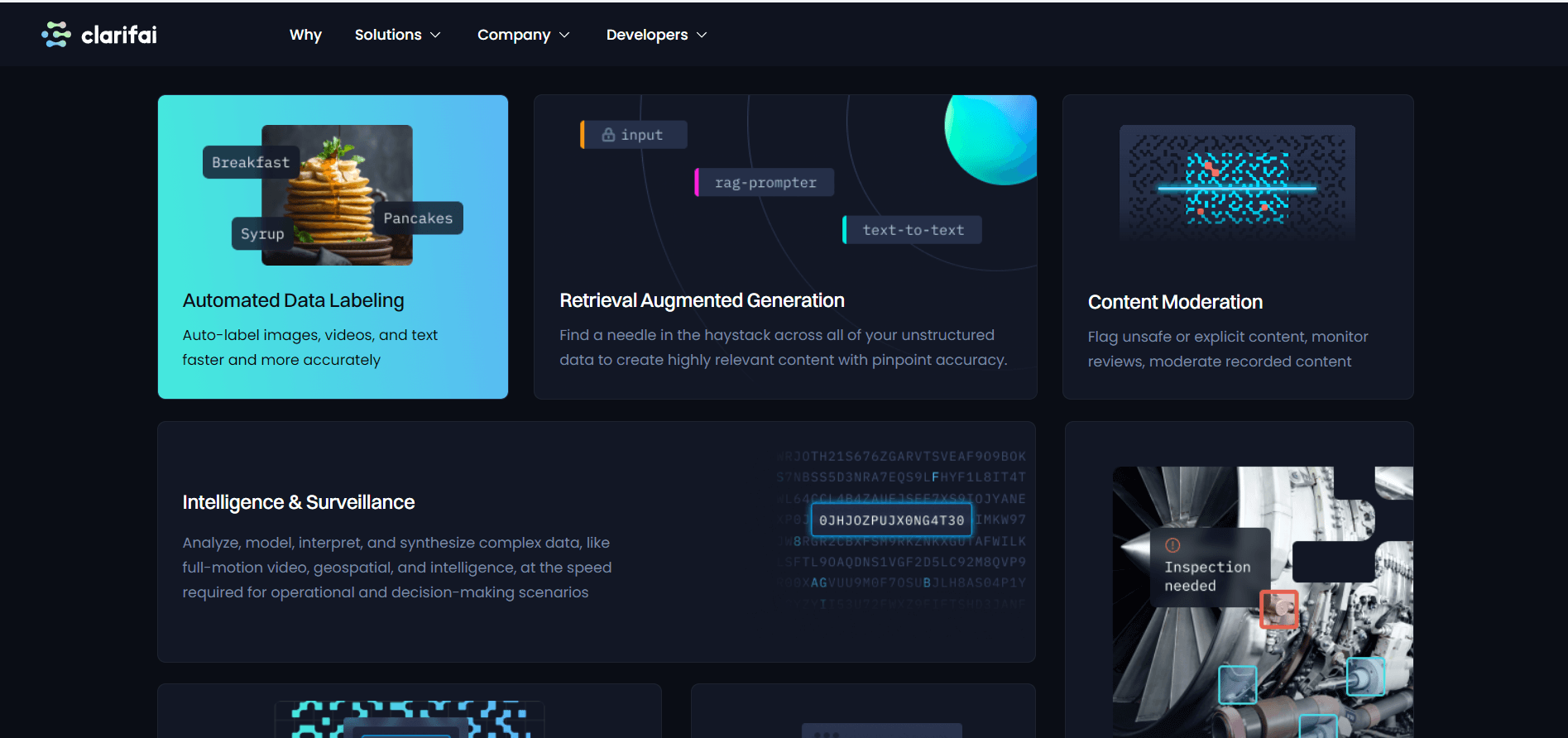
Generative AI has enhanced image identification by significantly improving the accuracy and
speed of recognizing objects, faces, and scenes in images. By utilizing advanced deep
learning algorithms, generative AI can analyze and interpret visual data, making it
invaluable for applications ranging from security and surveillance to healthcare and retail.
This technology can detect patterns, anomalies, and specific objects within images,
facilitating automated tagging, facial recognition, and diagnostic imaging.Top Industries Using Generative AI for
Image IdentificationImage identification through generative AI is extensively used in the security, healthcare,
and retail industries. These sectors leverage AI to enhance safety, improve diagnostic
accuracy, and streamline inventory management.Examples of Companies Using Generative
AI for Image Identification-
1. Amazon: Uses AI for visual
recognition in
its Amazon
Go stores, enabling
a
cashier-less shopping experience by automatically identifying and charging customers
for
items they pick up. -
2. Google: Employs AI in Google
Photos to
organize and categorize images by identifying people, places, and objects, providing
users with an efficient way to manage their photo libraries. -
3. IBM: Utilizes AI in its
Watson
Health platform to analyze medical images, assisting doctors in diagnosing
diseases more accurately and quickly.
Top Tools for Image Identification
-
Clarifai: An AI tool
that
provides powerful image and video recognition capabilities, including object
detection
and facial recognition. -
Face++ : A
comprehensive
facial recognition technology that offers image analysis features such as facial
detection, attribute recognition, and face comparison. -
SenseTime:
A
leading AI company that offers image recognition technologies for various
applications,
including security, finance, and retail.
-
-
7.
Use Cases for Generative AI: Idea
Generation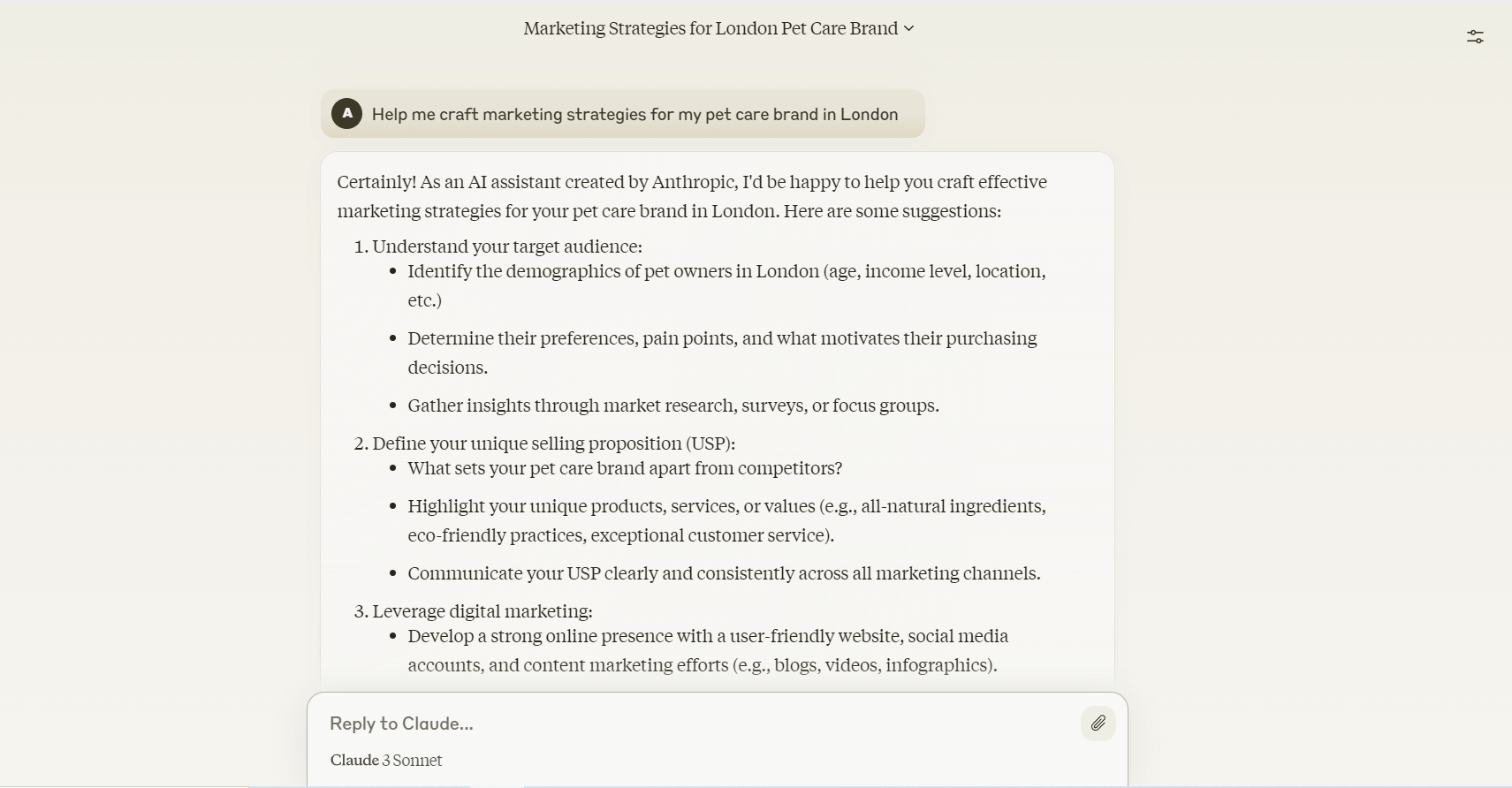
Generative AI is proving to be an invaluable asset in the realm of idea generation, where it
assists in brainstorming and conceptualizing new ideas across various fields. By analyzing
large datasets and identifying patterns, AI can suggest innovative concepts, design
alternatives, and creative solutions that might not be immediately apparent to human
thinkers. This application is particularly beneficial in industries such as marketing,
product design, and research and development, where fresh ideas are crucial for success.Top Industries Using Generative for Idea
GenerationIdea generation through generative AI is widely used in the marketing, design, and
technology
sectors. These industries leverage AI to enhance creativity, streamline the brainstorming
process, and foster innovation.Examples of Companies Using Generative
AI for Idea Generation-
1. Procter
&
Gamble (P&G): Utilizes AI to generate new product ideas and optimize
existing
product lines by analyzing consumer
data and market trends. -
2. Adobe: Employs AI within its Adobe Sensei platform to assist designers and
marketers in
brainstorming and developing creative concepts for their projects. -
3. BMW: BMW uses AI to explore innovative design solutions for its vehicles,
incorporating
AI-generated ideas for everyday
use cases and the development of new models and features.
Top Tools for Idea Generation
-
ChatGPT by
OpenAI: A
versatile AI
model that can assist in brainstorming sessions by generating ideas, concepts, and
creative solutions based on user input. -
IdeasAI: An
AI-powered
tool that generates startup ideas and business concepts by analyzing trends and
market
demands. -
Claude:
An AI assistant that
helps
teams brainstorm and organize ideas more effectively by generating creative
solutions
and alternative approaches.
Must Read: What is the
difference
between Claude Vs. ChatGPT -
-
8.
Use Cases for Generative AI: Text
Generation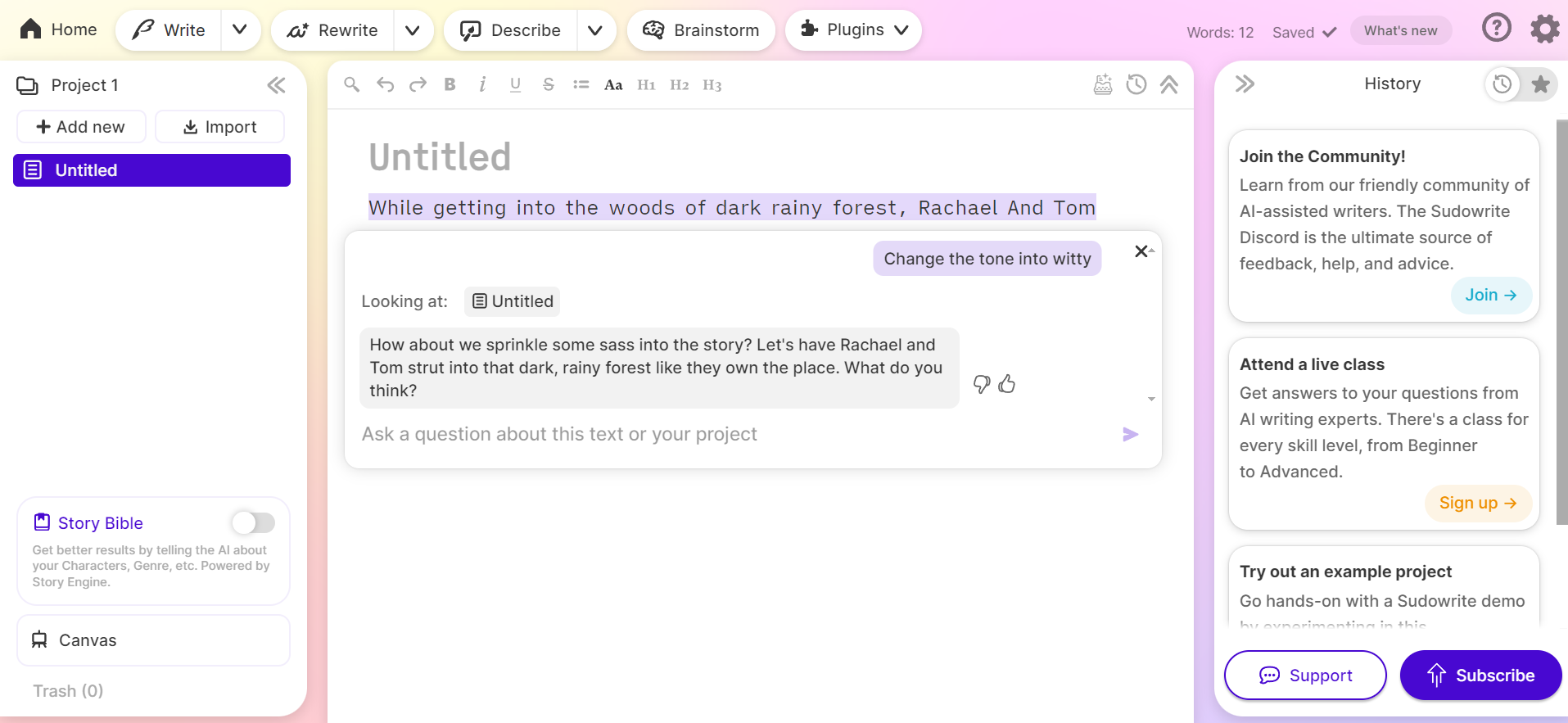
Generative AI has made substantial contributions to the field of text generation, where it
crafts high-quality written content such as articles, stories, and conversational responses.
Unlike traditional content creation, text generation involves producing text that is
contextually aware and stylistically nuanced, capable of mimicking human writing with
remarkable accuracy. This application is particularly useful in areas requiring detailed,
context-specific text, such as automated customer interactions, personalized educational
content, and interactive storytelling.Top Industries Using It
Text generation through generative AI is prominently used in the customer service,
education,
and publishing industries. These sectors leverage AI to enhance user engagement, provide
tailored learning experiences, and automate the creation of diverse textual content.Examples of Companies Using Generative
AI for Text Generation-
1. OpenAI (ChatGPT): Implements AI to
generate detailed conversational responses, enhancing customer service and user
interaction on various platforms. -
2. Coursera: Uses AI to
create
personalized learning modules and assessments, offering customized educational
experiences for students. -
3. Reedsy: Utilizes AI to
assist
authors in generating creative writing prompts and refining manuscripts,
facilitating
the book writing process.
Top Tools for Text Generation
-
-
GPT-3 by OpenAI: An advanced
language
model that generates human-like text for diverse applications, from
conversational
agents to technical writing. -
Sudowrite: An
AI
tool
designed specifically for creative writers, helping generate ideas, improve
narrative
flow, and overcome writer’s block. -
Quillbot: A writing
assistant
that uses AI to paraphrase text, enhance vocabulary, and generate content,
making it
ideal for academic and professional writing.
-

-
-
9.
Use Cases for Generative AI: Task
Management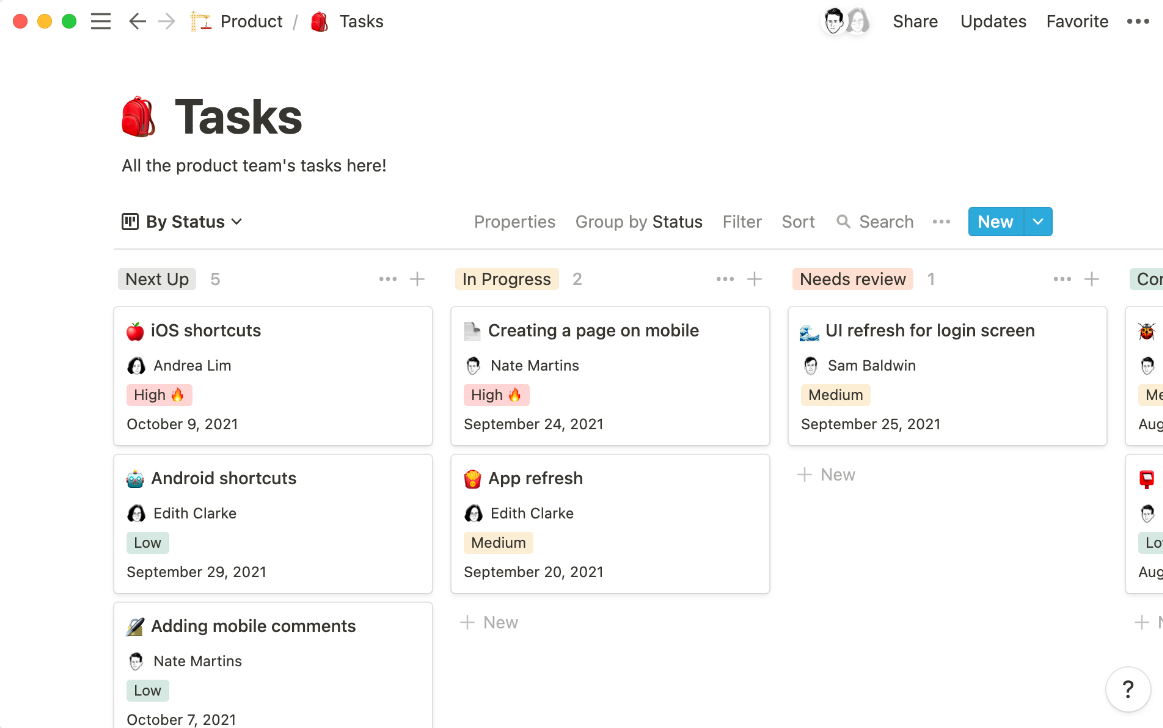
Generative AI is increasingly being integrated into task management systems, where it helps
automate and optimize the organization of tasks, schedules, and workflows. By analyzing
patterns in data and understanding user preferences, AI can generate efficient task plans,
prioritize activities, and provide reminders and updates. This application is especially
valuable for businesses and individuals looking to enhance productivity and ensure that
tasks are completed in a timely and organized manner.Top Industries Using It
Task management through generative AI is widely adopted in corporate environments, project
management, and personal productivity applications. These sectors utilize AI to streamline
workflows, reduce the burden of manual scheduling, and improve overall efficiency.Examples of Companies Using Generative
AI for Task Management-
1. Microsoft: Uses AI in its Office
365
suite to assist with scheduling meetings, organizing emails, and managing tasks
through
tools like Cortana and Outlook. -
2. Trello: Implements AI to
provide smart
recommendations for task prioritization and workflow automation, helping teams
manage
projects more effectively. -
3. Asana: Utilizes AI to
enhance task management
features
by suggesting task dependencies, predicting project timelines, and automating
routine
tasks.
Top Tools for Task Management
-
Todoist: An
AI-powered
task management tool that uses machine learning to prioritize tasks and provide
smart
scheduling suggestions, enhancing personal productivity. -
ClickUp: A versatile task
management platform that incorporates AI to automate task assignments, predict
project
timelines, and optimize workflows. -
NotionAI:
Integrates AI
to
streamline task management by automating task creation, suggesting optimal
workflows,
and providing intelligent reminders.
-
-
10.
Use Cases for Generative AI: Data
Analytics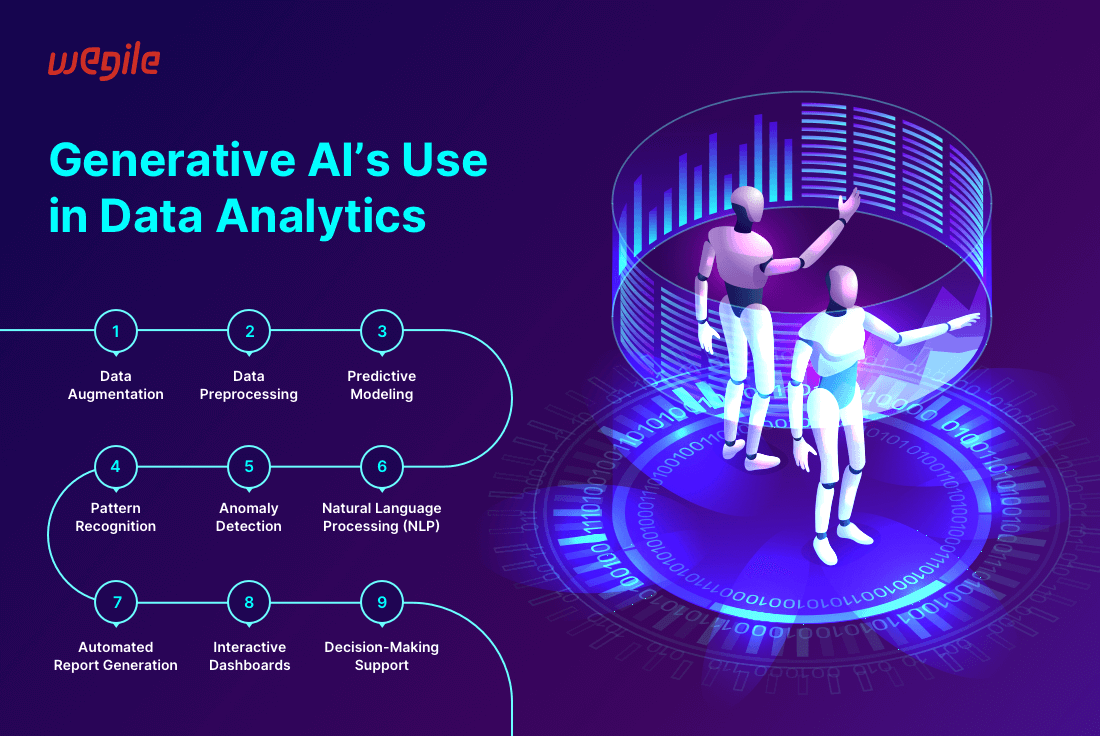
Generative AI offers significant advancements in the field of data analytics by providing
powerful tools for analyzing and interpreting large datasets. Utilizing sophisticated
algorithms, AI can uncover insights, identify patterns, and predict trends that may not be
immediately obvious through traditional analysis methods. This capability is essential for
businesses and organizations that rely on data-driven decision-making, allowing them to make
more informed and strategic choices.Top Industries Using Generative AI for
Data AnalyticsData analytics powered by generative AI is extensively used in the finance, healthcare, and
retail industries. These sectors leverage AI to optimize operations, enhance customer
experiences, and drive innovation through data-driven insights.Examples of Companies Using Generative
AI for Data Analytics-
1. SAP: Employs AI in its
analytics
solutions to help businesses uncover insights from their data, optimize processes,
and
make better decisions. -
2. Salesforce: Uses AI-driven
analytics to
provide its customers with predictive insights, helping them to anticipate trends
and
customer needs. -
3. IBM: Integrates AI into its Watson
Analytics platform to enable users to perform advanced data analysis and generate
actionable insights efficiently.
Top Tools for Data Analytics
-
Tableau: An AI-powered
data
visualization tool that helps users explore, understand, and communicate data
insights
through interactive dashboards. -
Qlik
Sense: Utilizes AI to enhance data discovery and analytics, providing users
with
intelligent recommendations and automated insights. -
Domo:
An AI-driven business
intelligence platform that offers real-time data analytics, visualization, and
insights
to support strategic decision-making.
Must
Read: Pros and Cons: of AI in Healthcare – Analysis by Wegile -
-
11.
Use Cases for Generative AI: Fraud
Detection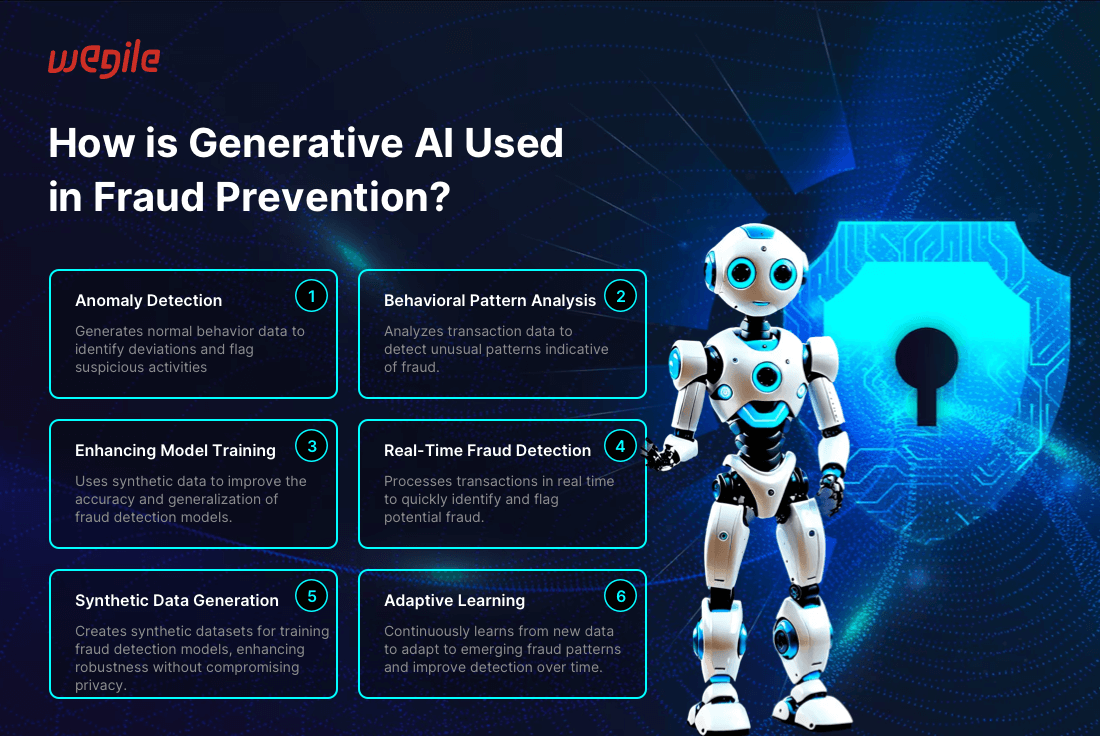
Generative AI has become a critical tool in fraud detection, helping organizations identify
and prevent fraudulent activities with greater accuracy. AI systems can flag potential fraud
in real time by analyzing vast amounts of transaction data and detecting unusual patterns or
behaviors. This proactive approach is essential for industries where security and trust are
paramount, such as finance, e-commerce, and insurance.Top Industries Using Generative AI for
Fraud DetectionFraud detection through generative AI is widely utilized in the finance, e-commerce, and
insurance sectors. These industries rely on AI to safeguard against fraudulent activities,
protect customer data, and maintain the integrity of their operations.Examples of Companies Using Generative
AI for Fraud Detection-
1. PayPal: Uses AI to
monitor
transactions and detect fraudulent activities, ensuring secure user payment
processing. -
2. Mastercard: Employs
AI-driven fraud detection systems to analyze transaction patterns and identify
suspicious behaviors, reducing fraud instances. -
3. Zurich: Insurance:
Utilizes AI
to detect fraudulent claims by analyzing claim data and identifying inconsistencies,
helping to reduce fraud-related losses.
Top Tools for Fraud Detection
-
Fraud.net:
An AI-powered platform
that offers real-time fraud detection and prevention solutions for businesses,
leveraging machine learning to identify fraudulent activities. -
SAS Fraud
Management: Uses advanced analytics and AI to detect, prevent, and manage
fraud
across various industries, providing comprehensive fraud protection. -
Darktrace: An AI-driven
cybersecurity tool that identifies and mitigates potential fraud by monitoring
network
activity and detecting anomalies in real time.
-
-
12. Use Cases for Generative AI:
Predictive Analysis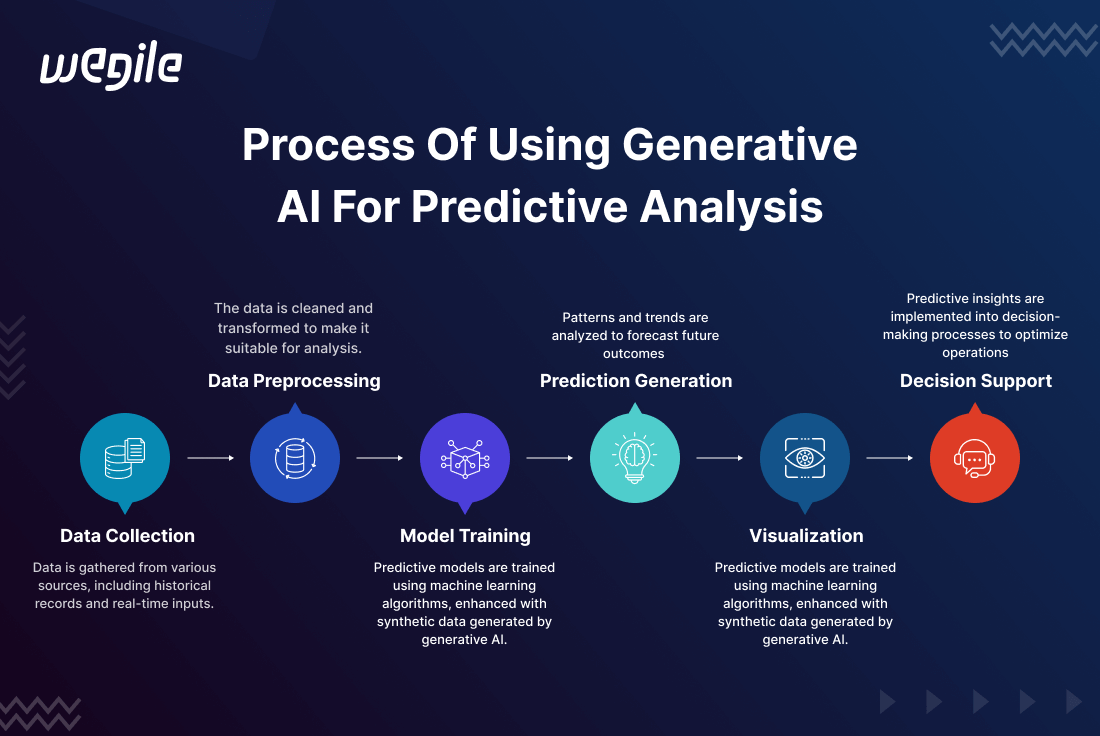
Generative AI plays a pivotal role in predictive analysis, where it is used to forecast
future trends and outcomes based on historical data. By employing advanced machine learning
algorithms, AI can analyze past behaviors and patterns to predict future events with a high
degree of accuracy. This capability is invaluable for businesses and organizations aiming to
make informed decisions, optimize operations, and anticipate market changes.Top Industries Using Generative AI for
Predictive AnalysisPredictive analysis through generative AI is extensively applied in the finance, healthcare,
and retail sectors. These industries utilize AI to forecast market trends, predict patient
outcomes, and optimize inventory management, among other applications.Examples of Companies Using Generative
AI for Predictive Analysis-
1. Amazon: Amazon utilizes AI to
predict
customer buying behaviors, optimize inventory levels, and enhance the efficiency of
its
supply chain operations. -
2. Netflix: Employs AI-driven
predictive
analysis to recommend content to users based on their viewing history and
preferences,
enhancing user engagement. -
3. UnitedHealth
Group:
Uses AI to predict patient health outcomes and manage care more effectively,
improving
patient care and operational efficiency.
Top Tools for Predictive Analysis
-
H2O.ai: An
open-source AI platform
that
provides advanced predictive analytics tools, enabling businesses to build and
deploy
predictive models easily. -
RapidMiner: A
data science platform that uses machine learning and AI to perform predictive
analysis,
offering tools for data preparation, model building, and validation. -
Alteryx: An analytics
platform that combines data preparation, data blending, and advanced predictive
analytics, helping businesses uncover insights and make data-driven decisions.
-
-
13.
Use Cases for Generative AI: Risk
Management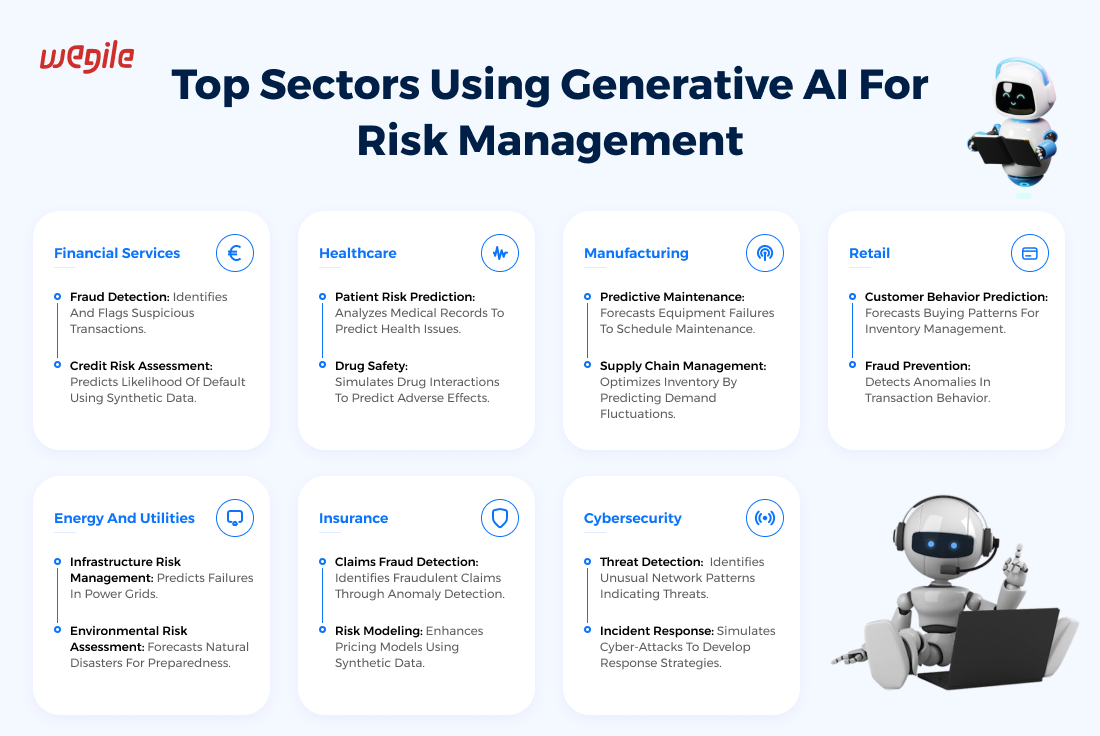
Generative AI has become an essential tool in risk management, helping organizations
identify, assess, and mitigate risks more effectively. By analyzing large datasets and
identifying potential risks, AI systems can provide real-time insights and predictions that
enable proactive risk management. This is particularly valuable in industries where managing
risk is critical, such as finance, insurance, and supply chain management.Top Industries Using Generative AI for
Risk ManagementRisk management through generative AI is widely adopted in the finance, insurance, and
supply
chain sectors. These industries leverage AI to enhance risk assessment processes, improve
decision-making, and reduce potential losses.Examples of Companies Using Generative
AI for Risk Management-
1. JP
Morgan Chase:
Utilizes
AI to assess credit risk, detect fraudulent activities, and manage
investment
risks, ensuring better decision-making and risk mitigation. -
2. AXA: Employs AI-driven
risk
management tools to evaluate insurance claims, predict potential risks, and optimize
their underwriting processes. -
3. Maersk: Uses AI to
manage
supply chain risks by predicting disruptions, optimizing logistics, and enhancing
operational resilience.
Top Tools for Risk Management
-
Riskified: An
AI-powered
platform that helps e-commerce businesses manage fraud and chargeback risks by
analyzing
transaction data and providing real-time risk assessments. -
Kensho:
A data analytics and
machine learning platform that offers advanced risk management solutions, helping
financial institutions make informed decisions based on predictive insights. -
LogicManager: An
enterprise risk management software that uses AI to identify, assess, and mitigate
risks
across various business processes, ensuring comprehensive risk management.
-
Challenges in Generative AI Development
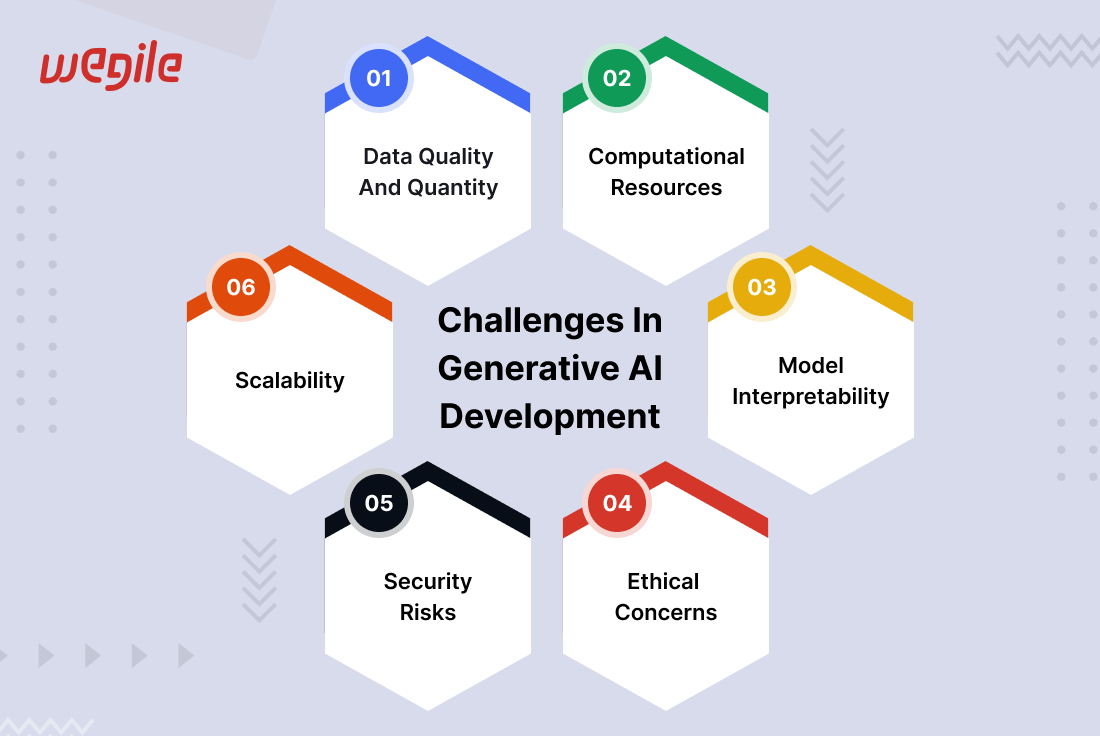
Generative AI has a promising role in the development
of applications, but its development comes with several unique challenges that are often
underappreciated in mainstream discussions. These challenges span technical, ethical, and practical
dimensions, each requiring careful consideration and innovative solutions.
-
1. Data
Quality and QuantityOne of the primary challenges in generative AI development is the requirement for vast
amounts of high-quality data. Generative models, especially those based on deep learning,
thrive on extensive datasets to learn complex patterns and produce accurate outputs.
However, acquiring such datasets can be difficult, expensive, and time-consuming. Moreover,
the data must be diverse and accurate to prevent biased results, which adds another layer of
complexity. -
2.
Computational ResourcesGenerative AI models, particularly sophisticated ones like GANs (Generative Adversarial
Networks) and VAEs (Variational Autoencoders), demand significant computational power.
Training these models involves intensive processing, often necessitating specialized
hardware such as GPUs (Graphics Processing Units) and
TPUs (Tensor Processing
Units). This requirement can be a barrier for smaller organizations or independent
developers with limited resources.Must
Read: Use Cases and Real Examples of Generative AI in Financial Services -
4. Ethical
ConcernsGenerative AI applications can also pose significant ethical concerns. For instance, the
ability to create realistic fake images or videos (deepfakes) can lead to misuse, spreading
misinformation, or violating privacy. Ensuring that generative AI is used responsibly and
ethically involves implementing robust safeguards and policies, which can be challenging to
enforce universally. -
5. Security Risks
Generative AI models can be vulnerable to various security risks, such as
adversarial attacks
where inputs are intentionally designed to deceive the model. These attacks can cause
generative models to produce incorrect or harmful outputs. Enhancing the security and
robustness of generative AI systems to withstand such threats is a critical area of concern. -
6. Scalability
While generative AI holds great promise, scaling these solutions to handle real-world
applications effectively can be difficult. Issues such as maintaining model performance with
increasing data size, ensuring consistent quality across different outputs, and integrating
generative AI into existing workflows without disruption are significant hurdles that
businesses must overcome.To overcome these challenges, the assistance of a top
generative AI
development company like Wegile is indispensable. At Wegile, we have built multiple
app solutions that harness the capabilities of generative AI, ensuring they meet the highest
standards of quality, security, and ethical use.Our expertise in managing the complexities of generative AI development allows us to deliver
cutting-edge solutions that drive innovation and efficiency. By partnering with Wegile, you
can leverage our experience and resources to navigate the challenges of generative AI and
unlock its full potential for your specific needs and applications.

Wrapping Up
Generative AI stands at the forefront of technological innovation, offering transformative
capabilities across many industries. Its applications are vast and impactful, from enhancing
creative processes and personalizing user experiences to revolutionizing data analytics and risk
management. However, the journey to harnessing this potential is not without its challenges.
Ensuring high-quality data, securing sufficient computational resources, maintaining model
interpretability, addressing ethical concerns, safeguarding against security risks, and achieving
scalability are critical hurdles that must be addressed.
Navigating these complexities with expertise and precision is essential to fully realizing the
benefits of generative AI. Partnering with a top generative AI
development company like Wegile ensures that you can overcome these challenges and leverage
the full power of generative AI. At Wegile, we have created a range of app solutions that leverage
generative AI to address the unique requirements of our clients while maintaining a strong focus on
the highest standards of quality and ethical practices. Embrace the future of innovation with Wegile
and unlock the transformative potential of generative AI for your business!
Leave a Reply