In the hustle and bustle of contemporary life, smartphones have become both our companions and
sources of stress.
The rising use of daily screen time reflects a growing challenge to balance our digital existence
with moments of calm and reflection.
Our constant connectivity can leave us feeling anxious and drained, leading to digital fatigue- a
phenomenon many of us can relate to in our always-online lifestyle.
In this context, meditation stands out as a source of calmness, relieving the stresses of our
contemporary world.
It’s no surprise that the concept of meditation, particularly through the lens of a meditation app,
has become a focal point in discussions on wellbeing.
Moreover, the surge in interest underscores a growing recognition of technology’s role in
facilitating mindfulness practices.
In this article, we aim to explore the journey of meditation in the digital realm, specifically
through developing a meditation app.
What is a Meditation App?
A meditation app is like having a calm friend in your pocket, ready to guide you through the chaos of
daily life.
Picture it as a serene retreat, offering simple yet powerful tools to help you find moments of peace
amid your daily hectic lifestyle.
Think of these apps as your mindfulness coach, simplifying the ancient meditation practice for the
modern world.
They’re not just applications; they’re friendly companions, making the journey to mental well-being
accessible to anyone, anytime, anywhere.
A meditation app acts as a gentle guide, helping you take a deeper breath, close your eyes, and
center your thoughts. It’s designed to be your ally in finding serenity amidst the noise of our
tech-driven lives.
Must Read: Fitness App Development Cost: Essential Insights
Statistics About Meditation App
-
Projections indicate that the revenue within the Meditation Apps market is poised to scale
remarkably, reaching an estimated US$4.43 billion in 2023. (Statista) -
The upward trajectory is anticipated to continue, showcasing an annual growth rate (CAGR
2023-2028) of 9.83%. This growth forecast translates into a substantial market volume, with
projections soaring to US$7.08 billion by 2028. (Statista) -
On an individual-user basis, the average revenue per user (ARPU) is predicted to be an
encouraging US$46.31, reflecting the significant value users place on the services provided by
meditation apps. (Statista) -
The Meditation Apps market is set for substantial expansion, with expectations pointing towards
a staggering USD 6.89 billion by 2028. This exponential growth, at a compelling CAGR of 42.34%
from 2022 to 2028, is attributed to the increasing reliance on digital platforms for health and
wellness solutions. (Statista)
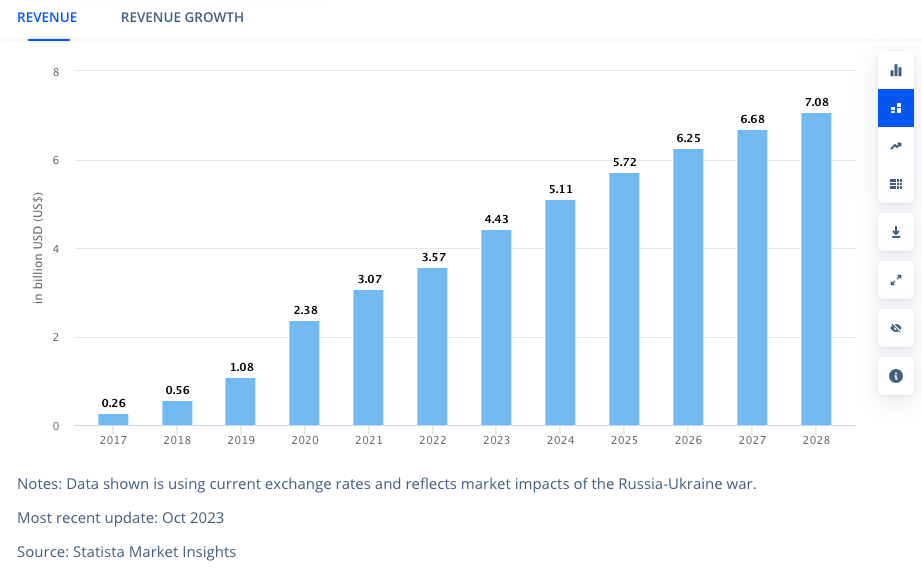
Now, let’s chart the noteworthy trajectory of revenue generated by meditation apps over the years and
their projected revenue in the future:
(Source: Statista)
The above chart highlights the consistent and promising increase in revenue within the meditation
apps market, providing a glimpse into the industry’s financial landscape up to 2028. These figures
not only indicate a robust financial outlook but also suggest the growing significance of meditation
apps in addressing the wellness needs of users worldwide.
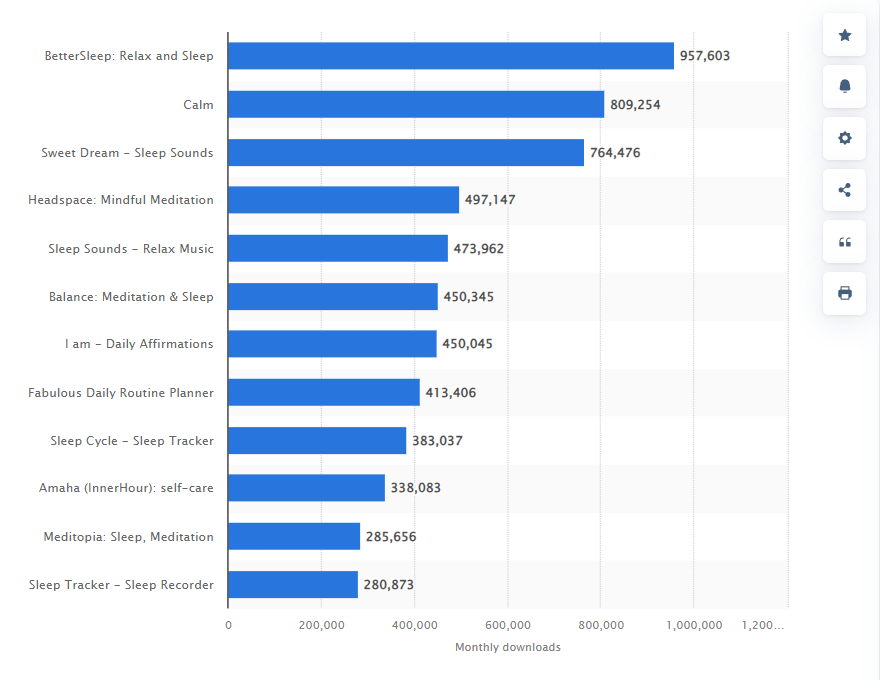
Further, we will look at the top downloaded meditation apps until May 2023:
(Source: Statista)
In September 2023, the meditation app Calm emerged as the top-grossing health-related application
globally, generating in-app revenues exceeding six million U.S. dollars in the specified period.
Headspace secured the second position, with approximately 3.5 million U.S. dollars in revenues.
Notably, Calm and Headspace provides users with a limited free trial period before guiding them
toward their subscription options.
The Australian-based Insight Timer claimed the third position, contributing nearly one million U.S.
dollars in in-app revenues during the same month.
Must Read: Women’s
Health
Tracking App
Development: Key Considerations
Types of Meditation
Apps
-
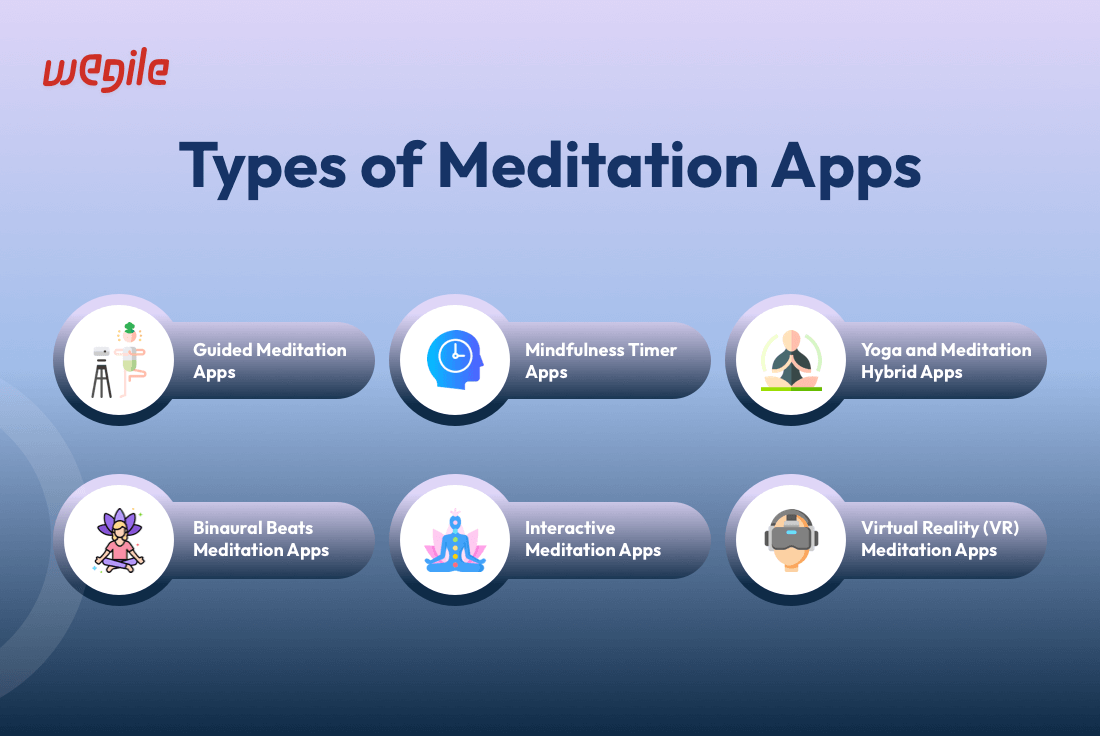
1. Guided Meditation Apps
Tailored for beginners, these apps offer structured sessions led by experienced instructors.
Dive into the world of mindfulness with apps like Headspace and
Calm, where expert guidance and soothing voices create
a supportive atmosphere for those starting their meditation journey. From basic breathing
exercises to profound introspective journeys, these apps cater to users seeking a gentle
introduction to meditation. -
2. Mindfulness Timer Apps
For individuals seeking autonomy in their meditation practice, mindfulness timer apps provide
a self-guided experience. Platforms like Insight
Timer allow users to customize meditation durations, choose ambient sounds, and
design sessions tailored to their preferences. It’s the perfect choice for those who
appreciate silence over verbal guidance, offering a canvas for users to paint their
mindfulness practice with personal strokes of serenity. -
3. Yoga and Meditation Hybrid Apps
These apps seamlessly integrate yoga routines and meditation practices, embracing the
holistic approach to wellness. Picture seamlessly transitioning from invigorating yoga
exercises to a calming meditation session within a single platform. Explore the synergistic
harmony of mind and body with an app like Yoga for
Beginners, where users embark on a multifaceted journey toward self-discovery and
well-being. -
4. Binaural Beats Meditation Apps
Leveraging the power of audio frequencies, these apps use binaural beats to induce
relaxation, focus, or even sleep. Users can explore the immersive experience of apps like
Brainwave, which synchronize the brain to
specific frequencies, enhancing the effectiveness of meditation sessions. This auditory
journey transcends traditional meditation, offering a unique and dynamic approach to
achieving mental clarity. -
5. Interactive Meditation Apps
Adding an element of engagement, interactive meditation apps go beyond passive listening.
Users can actively participate in activities designed to promote mindfulness. Consider apps
like Simple Habit, where interactive features
encourage users to actively engage with their meditation practice. These apps transform
meditation from a solitary experience into a dynamic and engaging journey through
interactive exercises and prompts. -
6. Virtual Reality (VR) Meditation Apps
Pushing the boundaries of traditional meditation, VR meditation apps provide immersive
experiences. Users can find themselves in serene environments, enhancing the sensory aspects
of meditation. Apps like TRIPP VR create a visually
captivating atmosphere, adding a new dimension to mindfulness. By immersing users in
captivating virtual landscapes, these apps elevate the meditation experience to a
multisensory level, stimulating both the mind and the senses.Must Read:
Explore Top
6 Benefits Of
Fitness App Development
Crucial
Features of a Meditation App
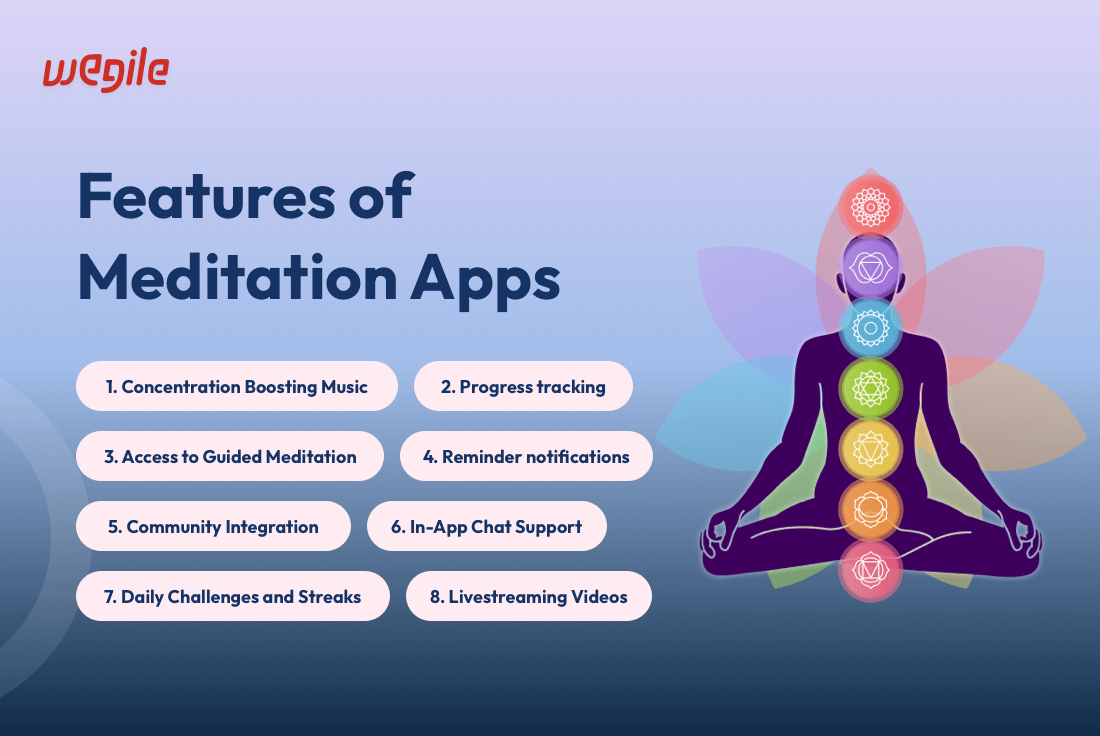
As you navigate the vast world of meditation apps, understanding the crucial features that transform
these applications into powerful tools for mental well-being is essential. Beyond the basics,
consider these additional features contributing to a more enriching and personalized mindfulness
journey.
-
Concentration Boosting Music
Elevate the feel of meditation sessions in your app with specially curated music designed to
enhance concentration and create a tranquil atmosphere. Adding this feature will allow your
users to choose from various ambient sounds and musical compositions tailored to elevate
your mindfulness experience. This will turn each meditation session into a harmonious
symphony of focus and relaxation. -
Access to Guided Meditation
Let your users enjoy the guidance of experienced meditation instructors by providing access
to a library of guided meditation sessions. So whether it’s a beginner seeking step-by-step
instructions or an experienced practitioner looking for new insights, the guided meditation
sessions in your app will offer a structured and supportive path to mindfulness. -
Community Integration
Foster a sense of connection by incorporating community features within the app. Users can
share experiences and insights and even join group meditation sessions. This social aspect
enhances the sense of belonging and encourages a collective journey toward mindfulness. Let
your users engage in discussions, share progress, and find inspiration within a supportive
community beyond the digital realm. -
Daily Challenges and Streaks
Encourage consistency by integrating daily challenges and streak-tracking features in your
meditation app. Gamifying the meditation experience motivates users to establish a regular
practice, turning mindfulness into a rewarding habit. Set achievable daily goals, offer
rewards for consecutive days of practice, and create a sense of accomplishment within your
app that fuels users’ commitment to their mindfulness journey. -
Progress Tracking
Consider including progress tracking that allows users to monitor their meditation progress
with detailed tracking features. Log your session durations, track your consistency, and
celebrate your milestones on the path to mindfulness. Progress tracking not only provides a
visual representation of your user’s journey but also serves as a motivational tool,
inspiring them to continue refining their practice. -
Reminder Notifications
Add the feature of setting personalized reminders within the app to ensure that mindfulness
remains integral to your user’s daily routine. Customize notifications for specific times or
situations, creating gentle prompts that encourage users to pause, breathe, and reconnect
with the present moment throughout the day. -
In-App Chat Support
Allow access to real-time support and guidance through in-app chat features. Whether users
have questions about meditation techniques or need encouragement, having instant access to a
supportive community or meditation experts enhances the overall user experience. Foster a
sense of connection and accessibility through responsive in-app chat support.Reminder Notifications
Add the feature of setting personalized reminders within the app to ensure that mindfulness
remains integral to your user’s daily routine. Customize notifications
for specific times or situations, creating gentle prompts that encourage users to
pause, breathe, and reconnect with the present moment throughout the day. -
In-Live Streaming Videos
Let your users immerse in live meditation experiences through live-streaming videos. Include
a live streaming video feature within the app to allow users to connect with instructors and
fellow meditators in real time, creating a sense of community even in the digital space.
Live streaming adds a dynamic element to your practice, allowing users to participate in
live sessions and events tailored to their meditation.Must Read: How To Create A
Fitness App:
Your Ultimate Fitness App Creation
Retail and eCommerce apps have transformed the way we shop. In a world where online shopping has
become the norm, these apps offer convenience, variety, and competitive prices. They bring the mall
to our smartphones, making them an essential part of our shopping experience. In an era where online
shopping is the norm, these apps have become a staple in our lives. Let’s check the top trending
retail and eCommerce apps:
How to Create a
Meditation App
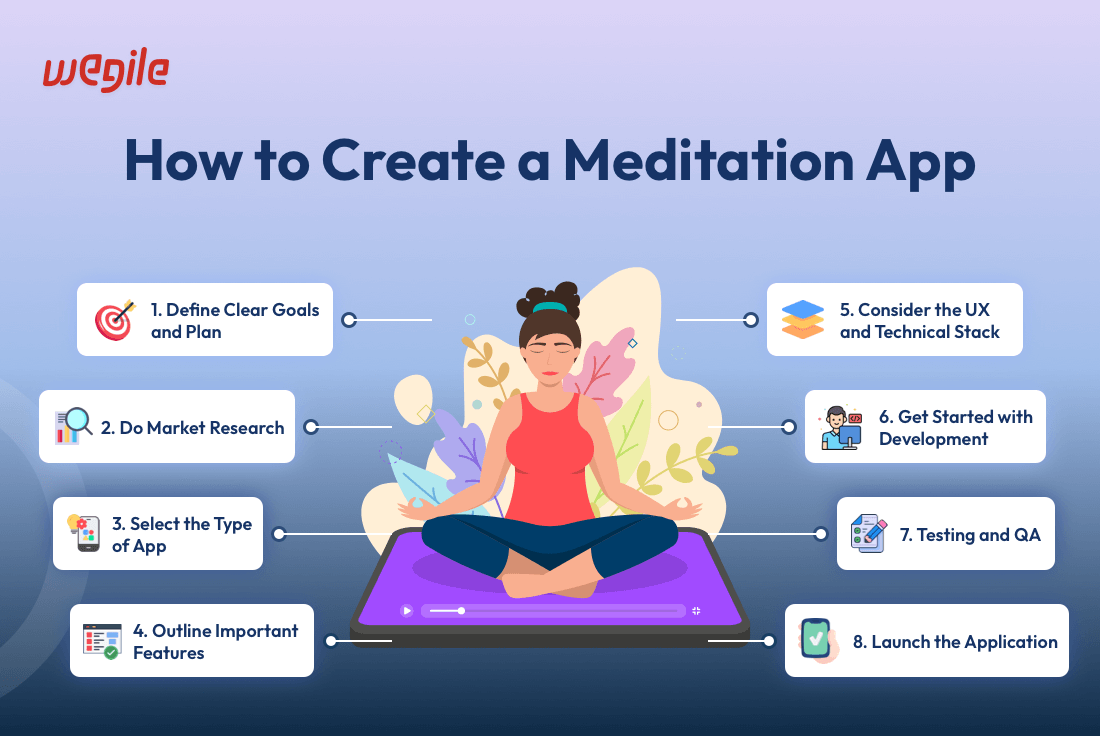
Embarking on our journey of “how to make a meditation app” involves a meticulous and strategic
process. Delving deeper into steps to develop a meditation app ensures that your app meets the
technical requirements and resonates with the users profoundly.
-
1. Define Clear Goals and Plan
Establishing a successful foundation for creating a meditation app requires a clear set of
goals and a well-defined plan.Begin by clearly articulating the purpose of your app, whether it’s cultivating mindfulness,
alleviating stress, or addressing specific user needs.Comprehend the challenges
your target audience faces and create a comprehensive plan that includes a detailed
roadmap, project timeline, and budget considerations.By meticulously addressing these key elements, you not only lay the groundwork for a
meditation app that aligns with your vision but also profoundly connects with the particular
requirements of your target audience. -
2. Do Market Research
Market research is a compass guiding your app through the competitive landscape.
Go beyond demographics and delve into psychographics to understand your potential users’
emotional and mental well-being needs.Analyze user reviews of existing meditation apps, paying attention to positive and negative
feedback.Identify market trends, best
practices,
and potential partnerships. This in-depth research ensures that your app aligns
seamlessly with user expectations and market demands.Moreover, this thorough exploration into the market landscape ensures that your meditation
app isn’t merely a functional addition but a thoughtful solution crafted to meet your
potential users’ emotional and mental well-being needs. -
3. Select the Type of App
Choosing the right type of meditation app is pivotal as it is the cornerstone for your app’s
success and seamless integration into the digital wellness landscape.Dive into the nuances of each category of meditation app discussed above and align them with
your app’s objectives.Moreover, if you have any unique requirements for app creation, communicate these clearly
with your hired app development company and ensure they understand your vision.Consider factors such as user preferences, potential monetization strategies, and the unique
selling propositions that set your app apart.This choice establishes the mood for the development process and significantly impacts the
features, design, and user experience.Additionally, it creates a structure tailored to your target audience’s requirements and
preferences, guaranteeing a genuinely impactful and user-centric meditation app. -
4. Outline Important Features
Your app’s success hinges on the features it offers. Go beyond the basics and envision
features that resonate with your target audience.Consider incorporating all important features that make your meditation app a comprehensive
and indispensable tool for users.For instance, you can explore the important features mentioned above, ensuring a well-rounded
and enriching app journey.User-friendly interfaces and seamless navigation are also essential, along with features to
ensure users can effortlessly immerse themselves in meditation.These thoughtful additions enhance usability and contribute to making your meditation app a
go-to resource for individuals seeking tranquility in the digital realm. -
5. Consider the UX and Technical Stack
Creating an app journey that is visually appealing and emotionally enriching is not just
about aesthetics; it’s about creating an app experience that promotes mental well-being.Choose a calming color palette, intuitive navigation, and design elements that evoke a
feeling of peace.Optimize for different screen sizes, ensuring a seamless experience across various devices.
On the technical side, select a stack that aligns with your app’s features. This involves
choosing the right programming languages, frameworks,
and third-party integrations that enhance functionality.If you’re not technically inclined when selecting these elements, your partnered app
development company will assist you in choosing the right technology for you app. -
6. Get Started with Development
The development marks the transition from conceptualization to tangible creation. Collaborate
with a skilled development team, fostering clear communication and alignment with your
vision. Prioritize the creation of a scalable
and secure backend infrastructure. Features like guided meditation playback, community
forums, and progress tracking should be seamlessly integrated. Regular updates and feedback
loops between stakeholders and developers are crucial to address
challenges
promptly and ensure the project stays on course. -
7. Testing and QA
The testing
phase is critical for evaluating the app’s resilience and identifying areas for
improvement.Rigorous quality assurance testing includes checking for bugs, glitches, and inconsistencies.
Ensure a uniform user experience by testing the app across various devices and platforms.
Additionally, conduct usability testing to gather insights on user interactions. User
feedback is invaluable during this phase; consider implementing changes to enhance
performance, usability, and overall user satisfaction.This guarantees that your app meets and exceeds user expectations, fostering a positive and
seamless experience. -
8. Launch the Application
Preparing for the app’s launch is a culmination of meticulous planning and execution.
Develop a compelling marketing strategy that includes social
media campaigns, influencer collaborations, and other promotional channels.Optimize the app store listings with engaging visuals and a concise yet captivating
description to make a strong first impression.Monitor user feedback post-launch, addressing any concerns promptly. Stay agile and be
prepared to implement updates and enhancements based on user responses, ensuring a dynamic
and responsive approach to the app’s evolution in the competitive app store landscape.
How Can
Wegile Help You Build a Meditation App?
Wegile stands as your dedicated partner in bringing your meditation app vision to life. Through
expert consultations, we refine your ideas and
align them with market
trends.
Our specialized development team tailors solutions to your app’s unique requirements, ensuring a
robust and scalable foundation.
At Wegile, user-centric design is a priority, crafting interfaces that foster a tranquil meditation
experience.
Embracing an agile development approach, we provide flexibility for your app’s evolution, adapting to
user feedback seamlessly.
Beyond the launch, Wegile offers continuous support, promptly addressing issues and implementing
updates for sustained optimization.
Choose Wegile for a holistic approach that transcends technicalities, creating a meditation app that
resonates with users on a profound level.
Wrapping Up
In conclusion, the journey of creating a meditation app is a nuanced and multifaceted process. From
defining clear goals to navigating the intricacies of development and post-launch optimization, each
step contributes to the overall success of your app. As you venture into meditation app development,
keep in mind the diverse types of apps available, crucial features that elevate user experience, and
the in-depth steps involved in the development process. Consider Wegile as a valuable partner,
offering expertise and support to transform your meditation app vision into a reality.
Leave a Reply