In the whirlwind of modern life, with its hectic schedules and shifting priorities, the quest for
optimal health remains a constant journey. As technology becomes an integral part of our daily
routines, it transforms into a powerful ally in our pursuit of wellness.
This blog invites you to take on a transformative journey, blending the art of how to create a
fitness app with the essence of genuine human connection. Through each significant step and every
calculated calorie, your fitness app emerges not just as a digital tool, but as a personal companion
guiding you toward a healthier, fitter lifestyle. It’s an experience designed to resonate with the
individual goals and aspirations of each user.
So, if you’re eager to build fitness apps that truly make a difference, keep reading! Join us as we
explore the intricacies of creating a fitness app that enhances not only physical fitness but the
holistic well-being of every user.
Understand what are fitness applications before you
create a fitness app
Fitness applications, commonly known as fitness apps, are digital platforms designed to enhance
physical health and wellness. These applications are accessible primarily through smartphones and
tablets. They cater to a variety of fitness goals, ranging from weight loss and strength training to
stress relief and meditation. At their core, fitness apps serve as personalized tools that
facilitate the monitoring and management of physical activity and dietary habits. They offer a wide
range of functionalities including step counting, workout tracking, calorie logging, and
personalized exercise routines. These features are all aimed at fostering healthier lifestyle
choices among their users.
The versatility of fitness apps is one of their standout features. They can function as virtual
personal trainers, nutritional guides, or even social platforms that connect like-minded fitness
enthusiasts. Advanced fitness apps integrate with wearable technology such as fitness bands and
smartwatches. This enhances the precision of health metrics like heart rate monitoring, sleep
patterns, and physical activity levels. Such integration allows for real-time health tracking and
provides feedback that is both immediate and personalized. This makes fitness apps a central
component of modern health management strategies.
The adaptability of fitness apps to cater to individual preferences underscores their broad appeal.
Whether it’s customizing workout plans, setting health-related goals, or providing motivational
cues, these apps are designed to meet the diverse needs of their user base. They not only encourage
regular physical activity but also offer the convenience of tracking health progress over time. It
makes them indispensable tools in the journey towards achieving personal health and fitness goals.
By integrating cutting-edge technology and user-friendly interfaces, fitness apps not only simplify
wellness management but also make it engaging and accessible to a global audience.
Market Overview
Before we dive into how to create a fitness app, let’s explore the dynamic and rapidly expanding
fitness app market and the increasing importance of digital fitness in this sphere. In recent years,
this industry has seen explosive growth, driven by a growing focus on health and wellness across
various demographics. Today, smartphones have become portable fitness hubs, packed with a range of
apps that cater to diverse fitness objectives. These apps are not just tools; they are personalized
fitness experiences, crafted with cutting-edge technologies like Artificial Intelligence (AI) and
Machine Learning
(ML) to customize workouts to each user’s specific needs.
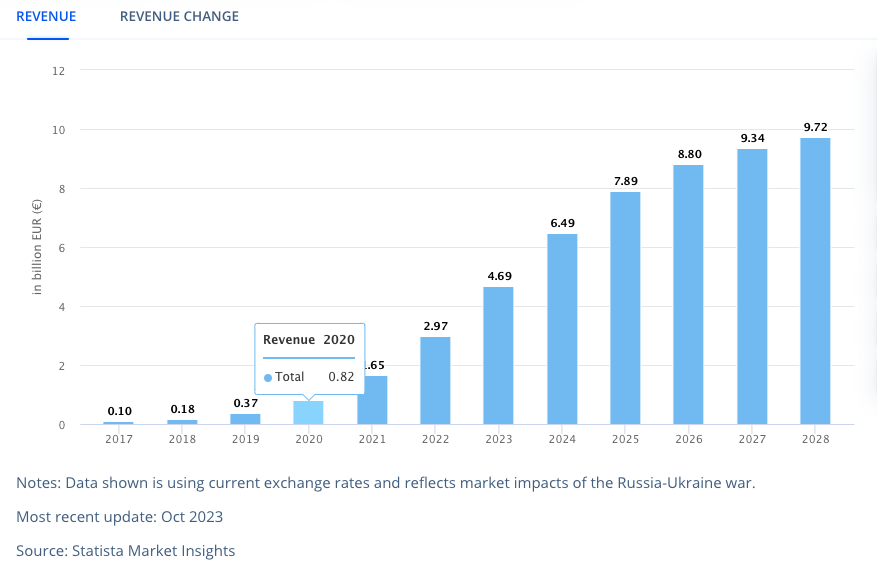
Now, let’s take a closer look at the financial evolution of the fitness app market, examining its
revenue trends and future potential.
(Source: Statista)
Statista
suggests that, by 2023, the fitness app market is poised to achieve a revenue of €4.69 billion,
reflecting a robust Compound Annual Growth Rate (CAGR) of 15.69% from 2023 to 2028. Simultaneously,
the user penetration rate is estimated to be 10,848,712.93% in 2023, highlighting the widespread
adoption of fitness apps. As we look ahead, projections indicate a continuous upward trend, with the
user penetration rate expected to reach 13,080,603.45% by 2028. These impressive statistics
underscore fitness apps’ dynamic growth and enduring popularity in the coming years.
As we delve into the intricacies of the fitness app market, it becomes evident that these digital
companions are not merely tools but integral components of the contemporary approach to health and
fitness. Now, after having an overview of the market dynamics, let’s explore the understanding of
fitness apps in more detail in the further section.
Types of Fitness Apps
-
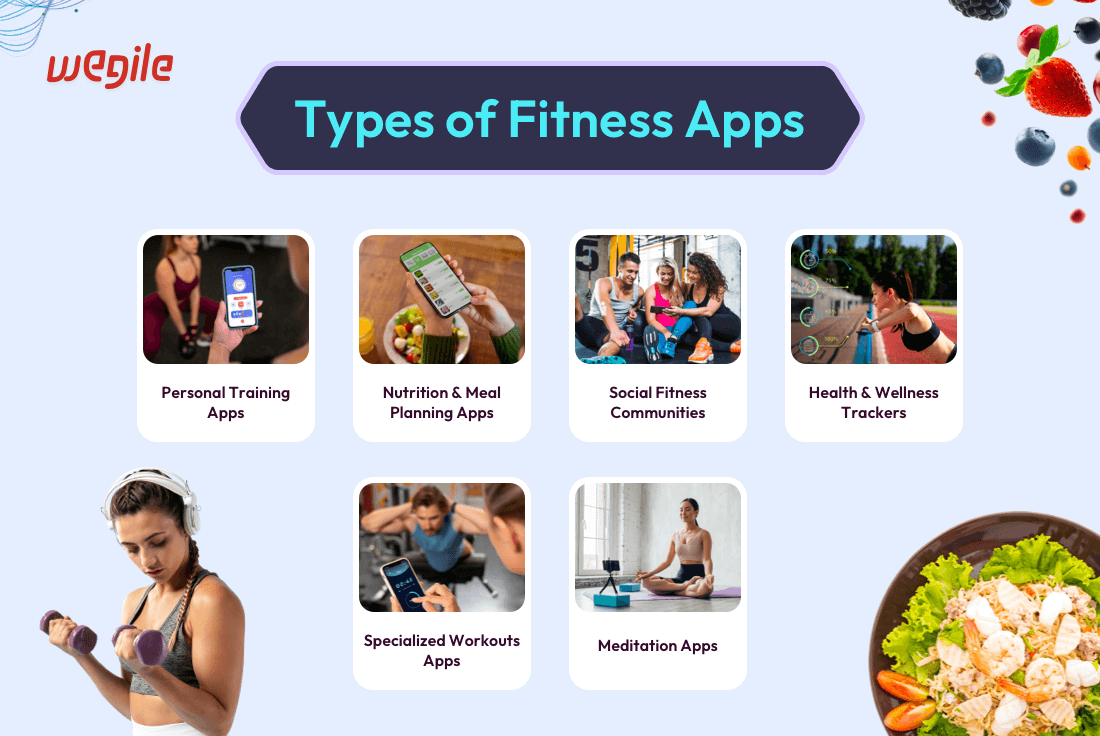
1. Personal Training Apps
Personal training apps redefine the fitness landscape by bringing a personal trainer’s
expertise directly to users’ smartphones or tablets.These apps offer a dynamic and personalized workout experience, providing users with
tailored
exercise routines, detailed demonstrations, and progress tracking.The virtual personal trainer feature allows users to customize their fitness plans based on
individual goals, fitness levels, and personal preferences.Users who follow these guided workouts receive real-time feedback, creating a truly
interactive and engaging fitness journey. Nike
Training Club and MyFitnessPal are prime
examples of these apps. -
2. Nutrition & Meal Planning Apps
When learning how to create a fitness app, understanding about nutrition and meal app
development is pretty essential. These apps go beyond mere calorie counting; they offer
comprehensive tools like meal logging, personalized meal plans, and expert nutritional
advice.Utilizing advanced artificial intelligence algorithms, these apps analyze users’ dietary
patterns to provide customized recommendations that align with specific health goals. By
making these apps part of their daily routine, users can achieve a holistic understanding of
their nutrition, seamlessly integrating diet and exercise into their fitness journey.Lifesum is one the best examples of apps offering
personalized advice and meal plans based on individual health goals. -
3. Social Fitness Communities
Social fitness apps are transforming the solo nature of traditional workouts into vibrant,
community-driven experiences.Users can connect with like-minded individuals, sharing their fitness journeys,
accomplishments, and challenges.These apps foster a sense of motivation and accountability through features such as group
workouts, interactive challenges,
and leaderboards.The ability to follow and support other users creates a virtual fitness community, enhancing
the overall experience and encouraging users to stay committed to their fitness goals.Strava and
Fitbit excel in fostering a sense of
community with challenges, leaderboards, and the ability to connect with friends. -
4. Health & Wellness Trackers
When understanding how to create a fitness app that stands out, consider the comprehensive
capabilities of health and wellness trackers. These apps extend beyond traditional fitness
metrics to offer features like sleep tracking, stress management tools, and heart rate
monitoring.Users receive valuable insights into their overall wellness, encompassing both physical and
mental health aspects. By integrating these holistic tracking features into your fitness
app, you empower users to make informed lifestyle choices, nurturing a more balanced and
healthier life.Apple Health stands as a comprehensive health tracker, combining fitness metrics with
broader health data like sleep patterns, heart rate, and mindfulness minutes. -
5. Specialized Workout Apps
Specialized workout apps cater to users’ diverse preferences and needs by focusing on
specific fitness niches or workout styles.Whether it’s yoga, high-intensity
interval training (HIIT), or bodyweight exercises, these apps deliver targeted and
specialized workouts.Users benefit from instructional videos, progress tracking, and features designed to align
with their chosen workout specialty.These apps empower users to explore and engage in the workout styles that resonate most with
their individual fitness goals and preferences. Yoga
for Beginners is a prime example of a specialized workout app.Gain more insights on workout apps here!
-
6. Meditation Apps
Meditation apps play a pivotal role in the fitness ecosystem, contributing to mental
well-being and overall health.Beyond traditional fitness metrics, these apps focus on stress reduction, improved focus,
and
mental clarity.Guided meditation sessions, breathing exercises, and mindfulness practices are integral
features of these apps.By incorporating meditation into their fitness routine, users experience a holistic approach
to well-being, addressing both the physical and mental aspects of their health.Headspace and Calm
lead the way in meditation apps. We have created a
specialized guide on how to
create a
meditation, which you might check out for yourself!
Crucial Features
of Fitness App
-
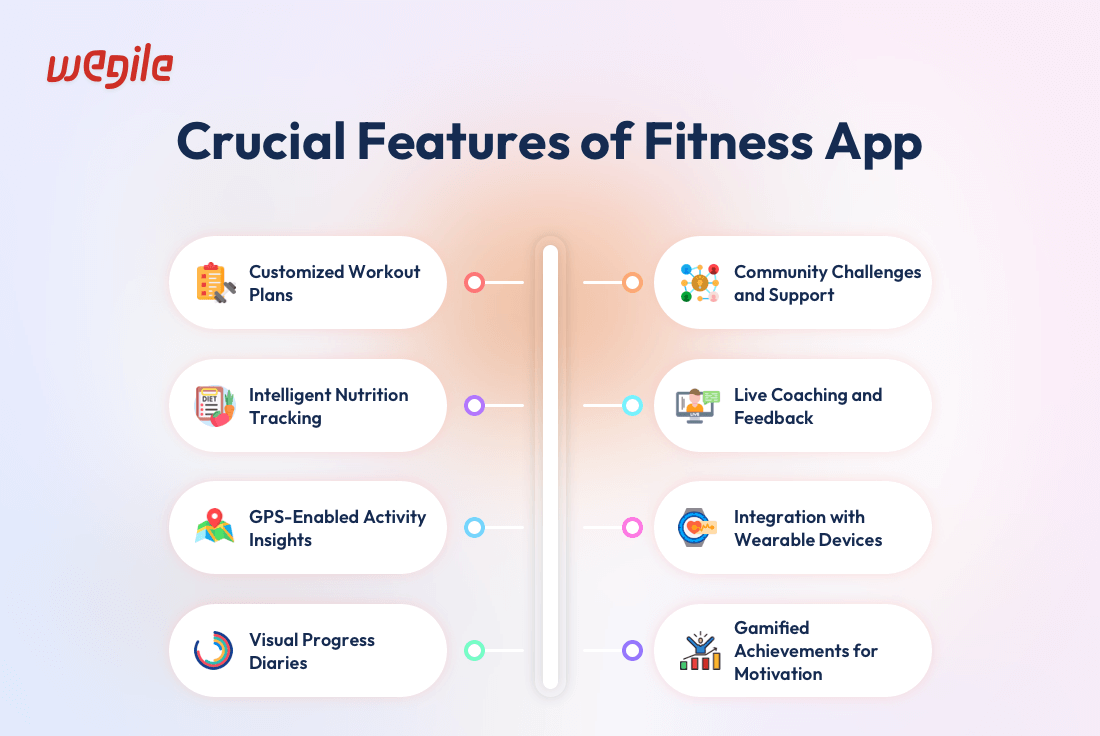
1. Customized Workout Plans
Decoding how to create a fitness app begins with understanding the power of
personalization.
Customization
is one of the best
practices you can incorporate into the fitness app development process.By offering customized workout plans tailored specifically to individual user goals,
fitness
levels, and preferences, your app can truly stand out.
These personalized plans provide a clear roadmap, guiding users through targeted
exercises
that align with their specific objectives, whether they’re aiming to build strength,
lose
weight, or enhance endurance. This focus on personalization not only keeps the workouts
challenging and achievable but also ensures a sustainable and impactful fitness journey
for
each user. -
2. Intelligent Nutrition
TrackingThe integration of intelligent nutrition tracking sets fitness apps apart in promoting a
comprehensive approach to health.These features allow users to log and monitor their dietary habits, providing insights
into
calorie intake, macronutrients, and overall nutritional balance.Some advanced apps utilize AI algorithms to analyze nutritional data, offering
personalized
recommendations to help users make informed choices that align with their fitness goals. -
3. GPS-Enabled Activity Insights
Fitness apps leverage GPS technology to provide users with accurate and insightful
activity
tracking.Whether users are running, cycling, or engaging in outdoor workouts, GPS-enabled
features
record and analyze their routes, distances covered, and performance metrics.This real-time data not only enhances the accuracy of fitness tracking but also empowers
users to explore new routes and challenges, adding variety to their fitness routines. -
4. Visual Progress Diaries
Visual progress diaries offer users a tangible and motivating representation of their
fitness
journey.These diaries may include photo timelines, graphical representations of weight loss or
muscle
gain, and progress charts.Visualizing progress not only boosts motivation but also allows users to track the
positive
changes in their physique and overall well-being over time, reinforcing the value of
their
dedication and effort. -
5. Community Challenges and
SupportFitness apps create a sense of community by incorporating features like challenges and
support forums.Community challenges encourage friendly competition, motivating users to push their
limits
and achieve new milestones.Support forums provide a space for users to share their experiences, seek advice, and
celebrate successes.This communal aspect fosters a supportive environment that enhances the overall user
experience and contributes to long-term adherence to fitness goals. -
6. Live Coaching and Feedback
Live coaching and feedback features bring the expertise of fitness professionals
directly to
users.Whether through live-streamed workouts or real-time feedback on form and technique,
these
features enhance the interactive nature of fitness apps.Users receive guidance and corrections, ensuring that their workouts are effective and
safe.The immediacy of live coaching adds a dynamic and engaging element to the fitness
experience,
making workouts more enjoyable and effective. -
7. Integration with Wearable
DevicesFitness apps seamlessly integrate with wearable
devices, such as smartwatches and fitness trackers, enhancing the accuracy and depth of
data
collection.This integration allows users to monitor their fitness metrics in real-time,
encompassing
vital statistics like heart rate, steps taken, and sleep patterns.The synergy between fitness apps and wearables creates a holistic approach to health
monitoring, empowering users with a comprehensive understanding of their daily
activities
and overall well-being.Considering a partnership with a wearable app
development company enhances the potential for developing a cutting-edge fitness
app
that seamlessly integrates with and optimizes performance for wearable devices. -
8. Gamified Achievements for
MotivationIntegration of gamified achievement features in your fitness apps injects an element of
fun
and motivation into the fitness journey.Users earn badges, rewards, and virtual trophies for completing workouts, achieving
goals, or
participating in challenges. This gamification not only adds a playful dimension to
fitness
but also cultivates a sense of accomplishment and motivation.The pursuit of virtual rewards creates a positive feedback loop, encouraging users to
consistently engage with their fitness routine.Incorporating these features will aid you in developing a reliable and interactive
fitness
app. These features will also support you in fighting away challenges
of fitness app development.
Also Read:Custom Fitness App
Features
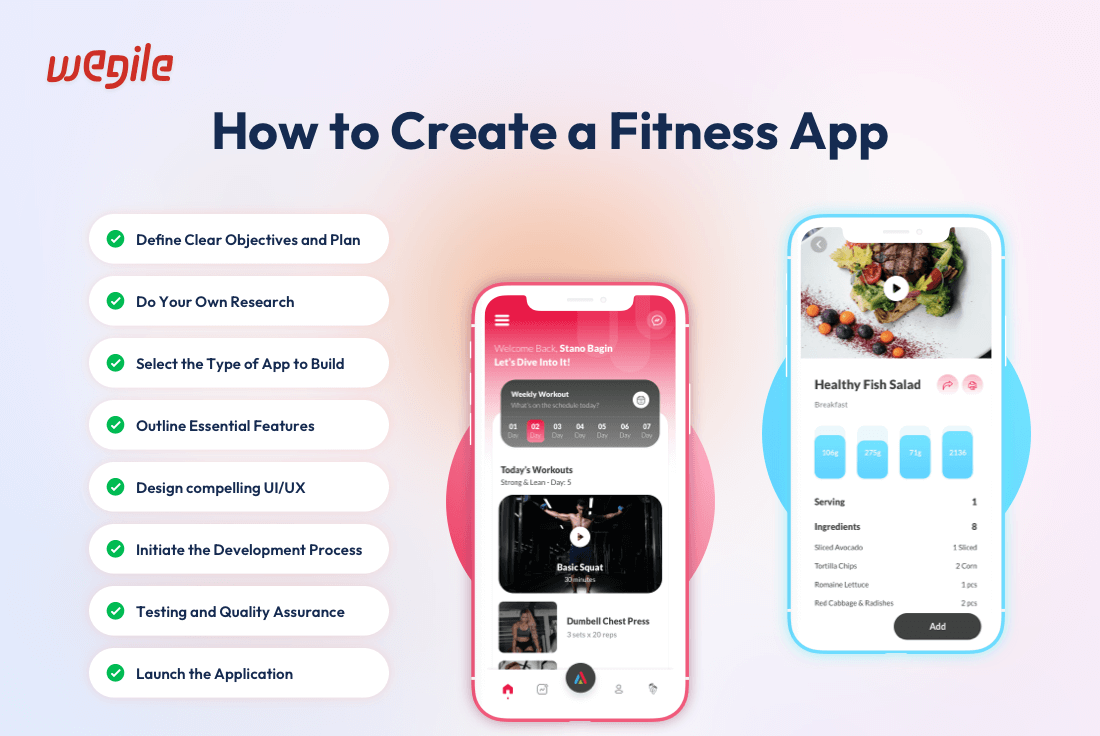
How to Create a
Fitness App
-
1. Define Clear Objectives and
PlanEmbarking on the journey to create a fitness app requires a meticulous approach that
begins
with defining clear objectives and crafting a comprehensive plan.This initial step involves articulating the app’s mission, identifying the target
audience,
and establishing a unique value proposition.By setting precise objectives, you not only provide a guiding framework
for the development
team but also create a vision that resonates with the app’s users.A well-defined plan encompasses project goals, timelines, and budget considerations.
This
strategic foundation sets the stage for effective decision-making and purposeful
progress.A well-defined plan encompasses project goals, timelines, and budget considerations.
Moreover, it serves as a roadmap that ensures strategic decision-making and
purposeful
progress throughout the development process. -
2. Do Your Own Research
In the evolving landscape of fitness apps, research becomes a compass that guides
your
app
through the complexities of the competitive market.Analyzing existing fitness apps unveils valuable insights into user preferences,
market
trends, and potential areas for innovation.Further, exploring positive and negative user feedback acts as a compass, guiding
your
app
towards user-centric enhancements. This ensures that your app remains adaptive and
responsive to user needs.Additionally, delving into emerging technologies and exploring potential
collaborations
further positions your app at the forefront of industry innovation. -
3. Select the Type of App to
BuildChoosing the category your fitness app will target is a crucial decision that
significantly
influences its overall direction as you create a fitness app.Choosing the category
your
fitness app will target is a crucial decision that significantly influences its
overall
direction as you create a fitness app.Whether it’s a personal training app, a nutrition tracker, or a social fitness
community,
each option presents unique challenges and opportunities. This decision extends
beyond
merely setting boundaries, it’s about aligning your app’s features, design, and user
experience with the specific needs of your target audience. Making a thoughtful
choice
at
this initial stage is essential for laying the foundation of a standout app in the
competitive fitness market.This decision is not merely about defining the app’s boundaries but also about
aligning
its
features, design, and user experience with the specific expectations of your target
audience.A thoughtful selection at this stage lays the groundwork for creating an app that
stands
out
in the competitive market. -
4. Outline Essential Features
The essence of a fitness app lies in its features, and outlining these features is a
meticulous endeavor aimed at creating a holistic and impactful fitness experience.Customized workout plans, intelligent nutrition tracking, and other functionalities
contribute to the app’s utility and appeal. This process involves meeting user
expectations
and exceeding them, fostering engagement, loyalty, and long-term app usage.By understanding the diverse needs of your audience, you can create a feature set
that
resonates with users, ensuring that your app becomes an indispensable part of their
fitness
journey. -
5. Design Compelling UI/UX
Crafting a compelling user interface and experience goes beyond aesthetics; it’s
about
creating an environment that users find intuitive, enjoyable, and motivating.Intuitive navigation, visually appealing graphics, and seamless interactions are
crucial
components of a compelling UI/UX
design. This phase is about making the fitness journey effective yet enjoyable.Additionally, when you’re prioritizing the user experience of your fitness app, you
ensure
that users not only achieve their fitness goals but also relish the process,
contributing to
long-term user engagement and satisfaction. -
6. Initiate the Development
ProcessCollaborating with a skilled fitness app development company is crucial when you
decide
to
create a fitness app, marking the pivotal shift from planning to execution. This
phase
is
dedicated to transforming conceptualized ideas
into
tangible, functional features of your fitness app.Maintaining open communication
channels ensures that the development process stays true to your original
vision,
allowing for timely adjustments and refinements.Regular check-ins and collaborative efforts help swiftly overcome any challenges,
keeping the
project on track for success. Ultimately, this phase is about converting your plans
and
designs into a functional and user-centric fitness app that adheres to the highest
standards
of quality and performance. -
7. Testing and Quality Assurance
The
testing phase is where your fitness app undergoes meticulous scrutiny to
ensure
its
resilience, functionality, and overall user satisfaction.Rigorous quality assurance involves identifying and addressing bugs, glitches, and
inconsistencies.Testing across different devices and platforms guarantees a seamless and consistent
user
experience.User feedback during this phase provides invaluable insights and guiding adjustments
that
enhance performance, usability, and overall user satisfaction.This iterative testing process aims not just to meet but to exceed user
expectations,
paving
the way for a positive and seamless user experience. -
8. Launch the Application
The launch of your fitness app is the culmination of meticulous planning and
execution.
It
marks a crucial strategic milestone that demands a comprehensive approach.A robust marketing strategy that includes social media campaigns, influencer
collaborations,
and optimizing app store listings on platforms like Google and Apple stores is
essential
to
create a buzz and drive initial downloads.Beyond the launch, continuously monitoring user feedback is vital, enabling swift
adaptations
and ongoing enhancements. It’s not merely about debuting your app but about laying a
solid
foundation for its continued relevance and growth.A proactive post-launch strategy, incorporating regular updates and improvements,
ensures
your fitness app adapts to changing user needs, maintaining its competitiveness and
longevity in the market.
Emerging
Trends in Fitness Apps
-
1. Augmented Reality
(AR) and
Virtual Reality (VR) IntegrationAugmented Reality (AR) and Virtual Reality (VR) are revolutionizing fitness
apps
by
immersing users in digitally enhanced environments. AR overlays virtual
elements
on
real-world settings, offering interactive workouts at home. Users can
navigate
obstacle
courses or participate in yoga sessions with virtual instructors. VR takes
immersion
further, placing users in entirely virtual worlds. This makes activities
like
stationary
biking or treadmill running exciting as they traverse scenic landscapes or
futuristic
cities. These technologies make fitness routines more engaging and
enjoyable,
potentially increasing user consistency and satisfaction. -
2. AI-Powered
Personalization
Artificial intelligence (AI) is transforming fitness apps into
highly
personalized health coaches. By analyzing user data, AI can tailor workout
plans
and
nutritional advice to individual needs and progress. This adaptability
extends
to
real-time adjustments during workouts, such as changing the intensity based
on a
user’s
current physical state or past performance. AI also enhances user
interactions
within
the app, offering voice-controlled assistants and personalized feedback that
mimic a
human coach’s support and guidance. -
3. Social Connectivity
and
GamificationFitness apps are increasingly incorporating social connectivity features to
leverage the
power of community and competition. Features such as challenges,
leaderboards,
and group
workouts encourage users to engage with others, enhancing motivation through
friendly
competition and communal achievement. Gamification elements like points,
badges,
and
rewards turn personal fitness achievements into a game. It provides
additional
motivation through tangible goals and rewards. These social and gamified
aspects
not
only make exercising more fun but also help users stay committed to their
fitness goals. -
4. Holistic Health Focus
Recognizing that fitness is just one component of overall well-being, many
apps
are
expanding to cover holistic health aspects. This includes monitoring mental
health,
stress levels, and sleep patterns, alongside traditional fitness metrics.
Apps
now offer
features such as guided meditations, breathing exercises, and sleep quality
tracking to
support mental and emotional health. By addressing wellness comprehensively,
these apps
play a crucial role in helping users maintain a balanced lifestyle. -
5. Wearable Tech
CompatibilityThe compatibility of fitness apps with a broader range of wearable
technologies
is a
significant trend. Modern fitness apps are designed to sync seamlessly with
various
devices, from smartwatches and fitness trackers to heart rate monitors and
GPS
devices.
This integration allows for more accurate tracking of physical activities
and
provides
users with real-time feedback on their performance, heart rate, calories
burned,
and
more. Enhanced connectivity with wearable tech helps users better understand
their
health metrics and adjust their fitness routines accordingly.
How
Wegile Can Help You With Developing A Fitness
App?
Commencing the odyssey of fitness app development requires a reliable partner, and Wegile stands
as your trusted fitness app development company.
With a proven track record in crafting innovative and user-centric solutions, Wegile brings
unparalleled expertise to the table.
Our dedicated team is committed to transforming your fitness app vision into a reality, ensuring
a seamless and engaging user experience.
From conceptualization to implementation, Wegile provides end-to-end services, making us your
ideal companion in the dynamic landscape of fitness app development.
Explore the possibilities with Wegile, your strategic partner for building cutting-edge fitness
applications.
Wrapping Up
As we conclude this exploration into the realm of fitness app development, it’s evident that the
landscape is teeming with possibilities. The robust market growth, coupled with technological
advancements, underscores the significance of fitness apps in our wellness journey.
Whether you are envisioning a personalized training experience, intelligent nutrition tracking,
or a community-driven platform, the key lies in crafting an app that resonates with your
audience.
As you navigate the exciting path of fitness app development, remember that Wegile is here for
you. We are an eminent, reliable and reasonable fitness app
development company. We have the best fitness app
developers at our end. Together, let’s shape the future of fitness technology and
inspire users worldwide to embrace a healthier lifestyle. If you’re ready to transform your
fitness app dream into reality, Wegile is just a click away.
Frequntly Asked
Questions (FAQ)
-
What are the key features to include in a fitness app in 2024?
Essential features should include
personalized workout plans, real-time activity
tracking, nutrition guidance, community engagement platforms, and gamification
to keep users motivated. Integration with wearables and AI-driven
personalization can also enhance the user experience. -
How profitable are fitness apps?
Fitness apps can be highly profitable,
especially with the rising trend in
health and wellness technology. Profitability depends on several factors such as
the app’s monetization model, user base size, and engagement levels.
Subscription models, particularly, have proven successful by providing steady
revenue streams. Additionally, integrating in-app purchases and personalized
premium content can significantly increase profitability. With effective
marketing and a compelling product, fitness apps have the potential to generate
substantial returns. -
How do I ensure my fitness app complies with privacy and data protection laws?
Ensure compliance by incorporating data
encryption, securing user consent for
data collection and usage, and following regulations such as GDPR or HIPAA where
applicable. Regular audits and transparency with users about their data rights
and usage are also crucial. -
What technology stack is recommended for developing a fitness app in 2024?
A robust technology stack for a fitness
app might include Swift or Kotlin for
mobile development, Python for backend development, and React or Angular for web
application interfaces. Cloud services like AWS or Azure can provide scalable
infrastructure. -
How can I monetize my fitness app?
Common monetization strategies include
subscription models, in-app purchases,
freemium models offering basic features for free with premium upgrades, and
partnering with fitness brands for affiliate marketing or sponsored content. -
What is the typical cost to develop a fitness app in 2024?
The development cost can vary widely
depending on features, platforms (iOS,
Android, Web), design complexity, and developer rates but generally ranges from
$50,000 to $300,000 or more. -
How long does it take to develop a fitness app?
Development time can range from a few
months to over a year, depending on the
app’s complexity, the development team’s size, and the project management
methodology used. Planning for phases like prototyping, beta testing, and
multiple iterations can affect the timeline. -
What are the biggest challenges when creating a fitness app?
Key challenges include ensuring high user
engagement, differentiating from
competitors, maintaining data accuracy, integrating with various devices and
platforms, and addressing diverse user needs effectively. -
How can I validate my fitness app idea before full-scale development?
Start with market research to identify
your target audience and competitive
landscape. Develop a minimum viable product (MVP) to gather user feedback early
and iterate based on that feedback. Utilizing focus groups or beta testing can
also provide critical insights into user preferences and functionality.
Leave a Reply