
In today’s digital age, social media apps have become an integral part of our daily
lives. With the average smartphone user spending about 2 hours and 20 minutes per day, equating to
70 hours per month, on social media apps, the importance of these platforms cannot be overstated.
Additionally, a staggering 55%
of the global population,
approximately 4.88 billion people, have active
social media accounts. These statistics
underscore the immense potential and reach of social media
applications. Now is the right time for businesses looking to venture into this domain! However,
you’ll need a robust social app that stands out and keeps users engaged. The success of a social
media app hinges on its ability to evolve in response to user needs and preferences. This is where
user feedback becomes invaluable. Leveraging user feedback allows developers to understand
real-world usage, uncover hidden pain points, and identify opportunities for innovation that are
often overlooked. Developers can create more intuitive, engaging, and satisfying user experiences by
continuously integrating user feedback. This blog will delve into the significance of user feedback,
explore methods of collecting it, and outline strategies for analyzing and implementing these
insights to enhance social media apps.
Understanding the Value of User Feedback
User feedback is a critical resource for driving continuous improvement of social media apps. This
feedback reveals both what users appreciate and what frustrates them, allowing developers to enhance
popular features and address issues. User feedback provides direct insights into the evolving needs
and expectations of the user base. As trends shift and new technologies emerge, feedback ensures
that apps remain relevant and user-centric.
Additionally, incorporating user feedback fosters a sense of community and loyalty, as users feel
their voices are heard and valued. Analyzing user feedback can uncover hidden patterns and emerging
trends that might take time to become apparent. By categorizing and prioritizing the feedback
received, you can make informed decisions that balance immediate user needs with long-term strategic
goals. This holistic approach allows you to make social media apps that are functional and resonate
deeply with their users.
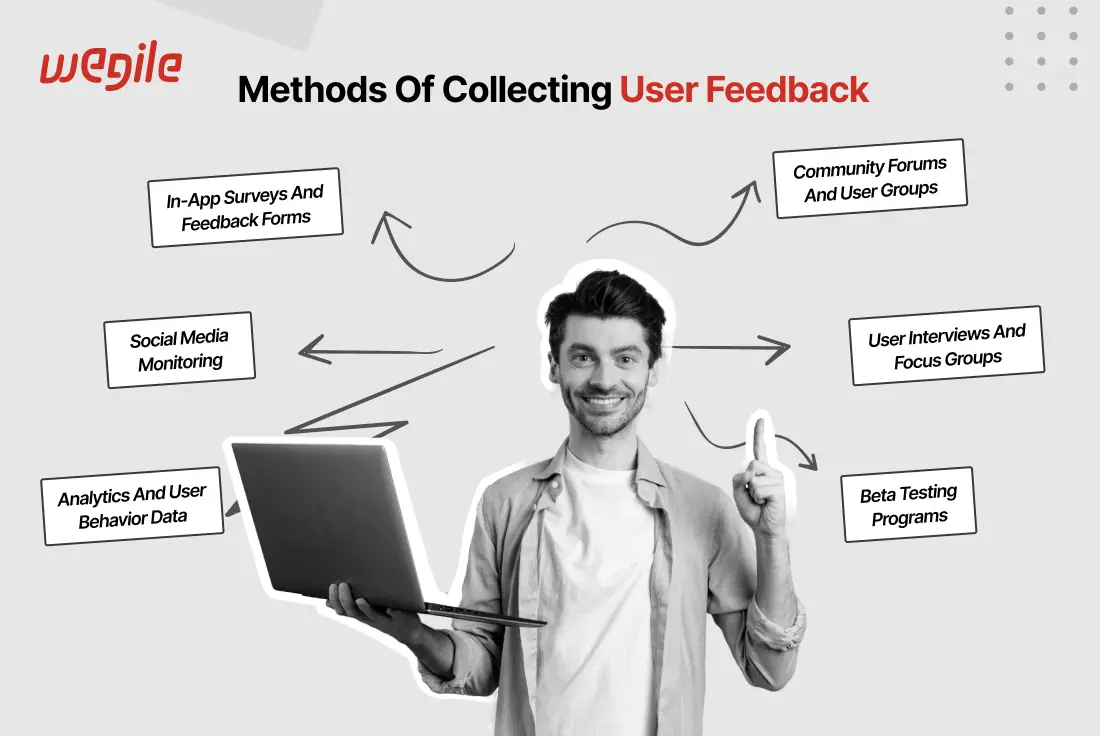
Methods
of Collecting User Feedback
Collecting user feedback effectively requires a multifaceted approach. Here are several methods that
provide comprehensive insights into user experiences and preferences:
-
In-App Surveys and Feedback Forms: These tools allow developers to gather
structured feedback directly from users within the app. Questions can be tailored to
specific
features or overall user satisfaction, making it easy to pinpoint areas needing improvement. -
Social Media Monitoring: Monitoring social media platforms for mentions and
discussions about the app can provide spontaneous and honest feedback. This method helps
understand public sentiment and identify trends that might not surface through direct
feedback
channels. -
Analytics and User Behavior Data: Utilizing analytics tools to track user
behavior within the app offers indirect feedback. Metrics such as session duration, feature
usage, and drop-off points can highlight areas where users are engaged or encountering
difficulties. -
Community Forums and User Groups: Establishing and participating in
community
forums and user groups allows developers to engage with a dedicated user base. These
platforms
are valuable for gathering in-depth feedback and fostering a sense of community among users. -
User Interviews and Focus Groups: Conducting interviews and focus groups
provides qualitative insights that surveys and analytics might miss. These sessions can
uncover
deeper motivations and experiences, offering a richer understanding of user needs. -
Beta Testing Programs:Inviting a group of users to test new features or
versions of the app before a full release can provide early feedback and identify potential
issues. This proactive approach helps in refining apps and ensures a smoother rollout.
Must Read: How To Make A
Social Media App:
Step By Step Guide
Analyzing and Interpreting User Feedback
Analyzing user feedback is crucial for turning raw data into actionable insights. This process
involves several steps to ensure feedback is effectively utilized:
-
Categorizing Feedback:Feedback should be categorized into aspects such as
usability, functionality, performance, and feature requests. This helps identify common
issues
and areas for improvement. For example, grouping comments about app crashes under
“performance”
allows developers to see the frequency and severity of such issues. -
Prioritizing Feedback:Not all feedback received holds equal importance.
Prioritization should consider factors like the impact on user experience, the frequency of
the
feedback, and the feasibility of implementing changes. High-impact, frequently mentioned
issues
should be addressed first to maximize user satisfaction. -
Using Sentiment Analysis Tools:Sentiment analysis tools can gauge the
overall
tone of user feedback, providing insights into user emotions and satisfaction levels. This
technique can identify whether users feel positively or negatively about specific features
or
updates. -
Identifying Hidden Patterns:Analyzing feedback can uncover patterns that
might
not be immediately apparent. For example, users may fail to explicitly mention a problem,
but
frequent navigation away from a particular feature can indicate usability issues. -
Balancing Qualitative and Quantitative Data:While surveys and analytics
provide
quantitative data, user interviews and focus groups offer qualitative insights. Balancing
these
two types of data ensures a comprehensive understanding of user needs and experiences. -
Creating Actionable Insights:The ultimate goal of analyzing feedback is to
create actionable insights. This involves translating feedback into specific tasks or
projects
for development teams. For instance, if users frequently request a dark mode feature, it
should
be added to the development roadmap with a clear implementation plan.
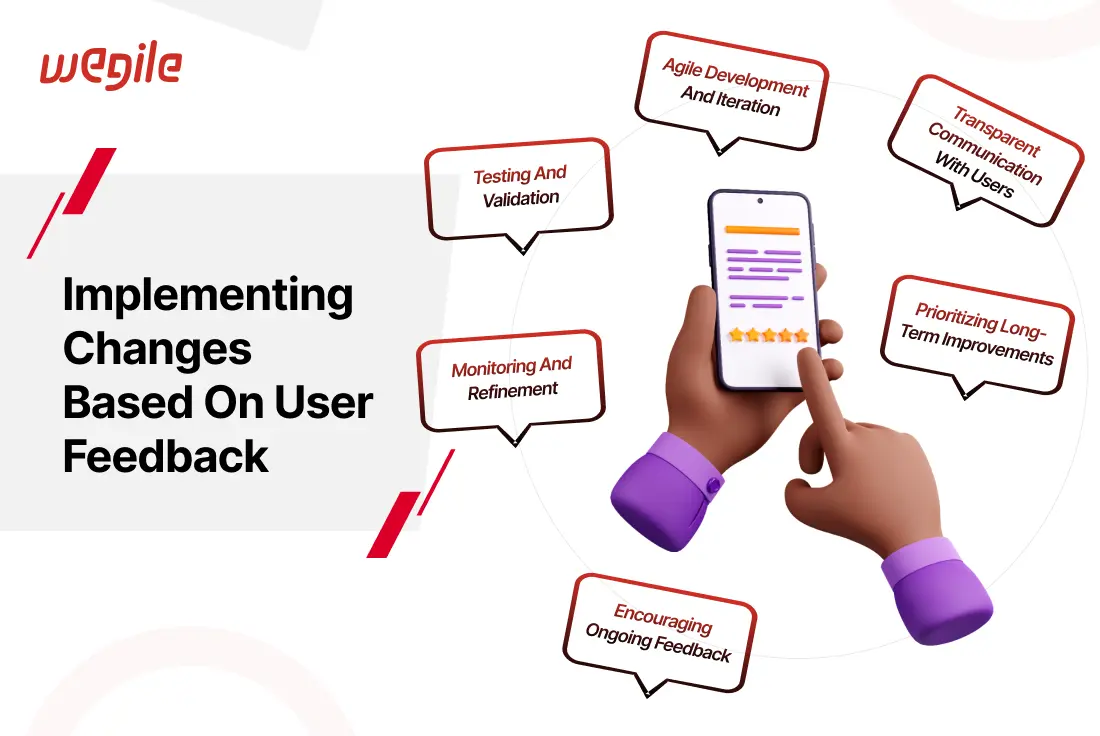
Implementing Changes Based on User Feedback
Turning user feedback into tangible improvements involves a strategic and systematic approach. Here
are the steps to effectively implement changes based on user insights:
1.Agile Development and Iteration
Agile
development methodologies are ideal for integrating user feedback. By breaking down development into
small, manageable iterations, teams can quickly implement changes, test them, and gather further
feedback. This cyclical process ensures that real users continuously make and validate improvements,
keeping the app aligned with user needs.
2.Testing and Validation
Before deploying changes across all users, it is crucial to test them with a subset of the user
base.
This can be done through A/B
testing or by releasing updates to beta testers, which helps identify any unforeseen issues
and ensures that the changes positively impact the user experience without introducing new problems.
Must
Read: 8 Social Media App Development
Strategies For Success
3.Transparent Communication with Users
Keeping users informed about the changes being made based on their feedback is essential. Clear and
transparent communication
builds trust and demonstrates that the development team
values user input. Update notes, blog posts, and in-app notifications can be used to explain what
changes have been made, why they were made, and how they improve the app.
4.Monitoring and Refinement
After implementing changes, it’s important to monitor their impact. Using analytics tools to track
how users interact with the new features or adjustments can provide insights into their
effectiveness. Continuous monitoring allows developers to refine further based on user behavior and
feedback.
5.Prioritizing Long-Term Improvements
While addressing immediate user concerns is important, developers should prioritize long-term
improvements that align with the app’s strategic goals. Balancing quick fixes with more substantial
updates ensures that the app continues to evolve in a way that benefits users and supports the
overall vision.
6.Encouraging Ongoing Feedback
Creating a feedback loop where users are encouraged to provide input helps maintain a user-centric
development approach. Regular surveys, feedback forms, and community engagement initiatives keep the
lines of communication open and ensure that users feel their voices are always heard.
Why Choose Wegile For Social Media App Development?
Choosing the right partner for social media app development is crucial for turning innovative ideas
into successful, user-centric applications. Here are several reasons why Wegile stands out as an
ideal choice:
1.Expertise and Experience
Wegile boasts extensive experience in developing high-quality web and mobile applications,
particularly in the social media sector. Our team of seasoned developers and designers brings a deep
understanding of the latest technologies
and
industry trends, ensuring that your app is built with
cutting-edge features and optimal performance.
2.User-Centric Approach
At Wegile, we prioritize the user experience in every project. Our development process is heavily
influenced by user feedback, ensuring that the final product aligns with the needs and preferences
of your target audience. This approach enhances user satisfaction and also drives engagement and
retention.
3.Agile Methodology
We employ agile development methodologies, allowing for flexibility and iterative progress. This
ensures that your app can quickly adapt to changes in user feedback and market conditions, keeping
it relevant and competitive. Regular iterations and testing phases enable us to refine the app
continually based on real user interactions and feedback.
4.Comprehensive Support and Maintenance
Post-launch support and maintenance are critical for the sustained success of any app. Wegile offers
robust support services, including regular updates, bug fixes, and performance enhancements. Our
commitment to long-term collaboration means that your app remains up-to-date and secure as we’re
focused on providing a seamless experience for users.
5. Straightforward Communication
We believe in maintaining transparent and open communication with our clients throughout
development.
Regular updates, detailed reports, and responsive support ensure that you are always informed about
the progress of your project. This transparency builds trust and ensures that the development aligns
with your vision and goals.
Conclusion
Utilizing user feedback is essential for the continuous improvement of social media apps. Developers
gain a comprehensive understanding of user needs and pain points by collecting diverse forms of
feedback through surveys, social media monitoring, and analytics. Analyzing this feedback with tools
like sentiment analysis and categorization uncovers actionable insights, enabling developers to
prioritize and address key issues effectively. Choosing a social media app
development company
like Wegile, with extensive expertise, a
user-centric approach, and a commitment to continuous improvement, can significantly enhance the
success of your social media app. By prioritizing user feedback and incorporating it into the
development process, your app can stay relevant, engaging, and competitive in the ever-evolving
digital landscape!
Leave a Reply