With technological development, the popularity of the cross-platform approach for app development continues to
surge. This approach simplifies the development process for various platforms while notably lowering both
expenses
and the time required to launch.
Cross-platform programming is becoming more popular, and a lot of new and better tools are rolling out that
claim to
be able to operate across a wide range of operating systems. But with numerous choices available in the market,
how
does one select the best possible option?
Undoubtedly, choosing the right framework is as important as seeking the best cross-platform app development
company
to assist your app development endeavors.
The decision-making process can indeed be daunting since each framework comes with its own set of benefits and
potential pitfalls. Hence, it becomes difficult to determine the best framework to meet your specific project
needs!
So now the question arises: which is the best framework? To aid in this decision, we have carefully curated a
list
of the top cross-platform app development frameworks in 2024. Dive down below to find the perfect fit for your
project!
Why Opt for a
Cross-Platform Approach?
Despite the numerous options available in the tech world for app development, why do tech professionals
gravitate
towards a cross-platform development approach? Although its popularity is evident, the underlying reasons make
it a
preferred choice for many. These benefits include substantial cost savings, expanded market reach, a seamless
user
experience across platforms, accelerated time to market, streamlined maintenance, and the ability to reuse code.
-
1. Substantial Cost Savings
Adopting a cross-platform approach significantly reduces app development costs. By utilizing a single
codebase to deploy apps across multiple platforms, companies save on development resources and manpower.
Technical teams avoid the high costs associated with developing and managing multiple native apps for
iOS,
Android, and other platforms, which often require different skill sets and separate developer teams. -
2. Expanded Market Reach
Cross-platform development is a game-changer for startups, especially when you’re aiming to make a
significant impact quickly. By developing your app for both iOS and Android at the same time, you
effectively double your reach right out of the gate. This means you can engage a much larger audience
without pouring extra resources into separate development streams.Also Read: Develop
Once, Deploy Everywhere: A Guide To Cross-Platform App Development -
3. Seamless User Experience
A significant advantage of cross-platform apps is the ability to provide a consistent user experience,
irrespective of the device or operating system. This consistency is crucial for brand identity and user
satisfaction, as it minimizes confusion and increases user engagement by maintaining familiar
functionality
and appearance across all platforms. -
4. Faster Time to Market
Speed is a critical factor in today’s fast-paced market, and cross-platform development allows for
quicker
implementation. Since developers need to write the source code once and then deploy it for all
platforms,
the overall development cycle is shorter. This important aspect of cross-platform can turn out to be a
competitive advantage, especially in terms of staying ahead of market trends. -
5. Streamlined Maintenance
With a single codebase, updating and maintaining apps becomes much simpler and more cost-effective.
Changes
made to the source code are applied across all platforms, reducing the time and cost associated with
simultaneous updates on multiple native apps. This unified maintenance process can significantly ease
the
continuous management of the app. -
6. Code Reusability
Lastly, one of the most compelling reasons for adopting a cross-platform approach is the reusability of
code. Developers can reuse a high percentage of the original code, avoiding repetitive tasks and
reducing
the scope for errors. Apart from speeding up the app development process, it maintains consistency
in-app
logic and designs across all platforms.
Top 5
Cross-Platform App Development Frameworks
-
1. Flutter
Flutter is an open-source UI software development kit created by
Google.
It’s designed to create high-quality, natively compiled applications for mobile, web, and desktop
applications using a single codebase. Utilizing the Dart programming language, Flutter is well-known for
its
fast development cycles, expressive and flexible UI, and excellent performance. It includes a rich set
of
fully customizable widgets that help build native interfaces in minutes.Flutter’s layered architecture allows full customization, which results in incredibly fast rendering and
expressive designs. This framework is ideal for businesses looking for a fast development process and
native
performance while writing code for multiple platforms simultaneously.By leveraging cross-platform mobile app development frameworks like Flutter, businesses can
significantly
enhance their development efficiency while maintaining high-quality standards across their app
portfolios. A
premier Flutter app
development
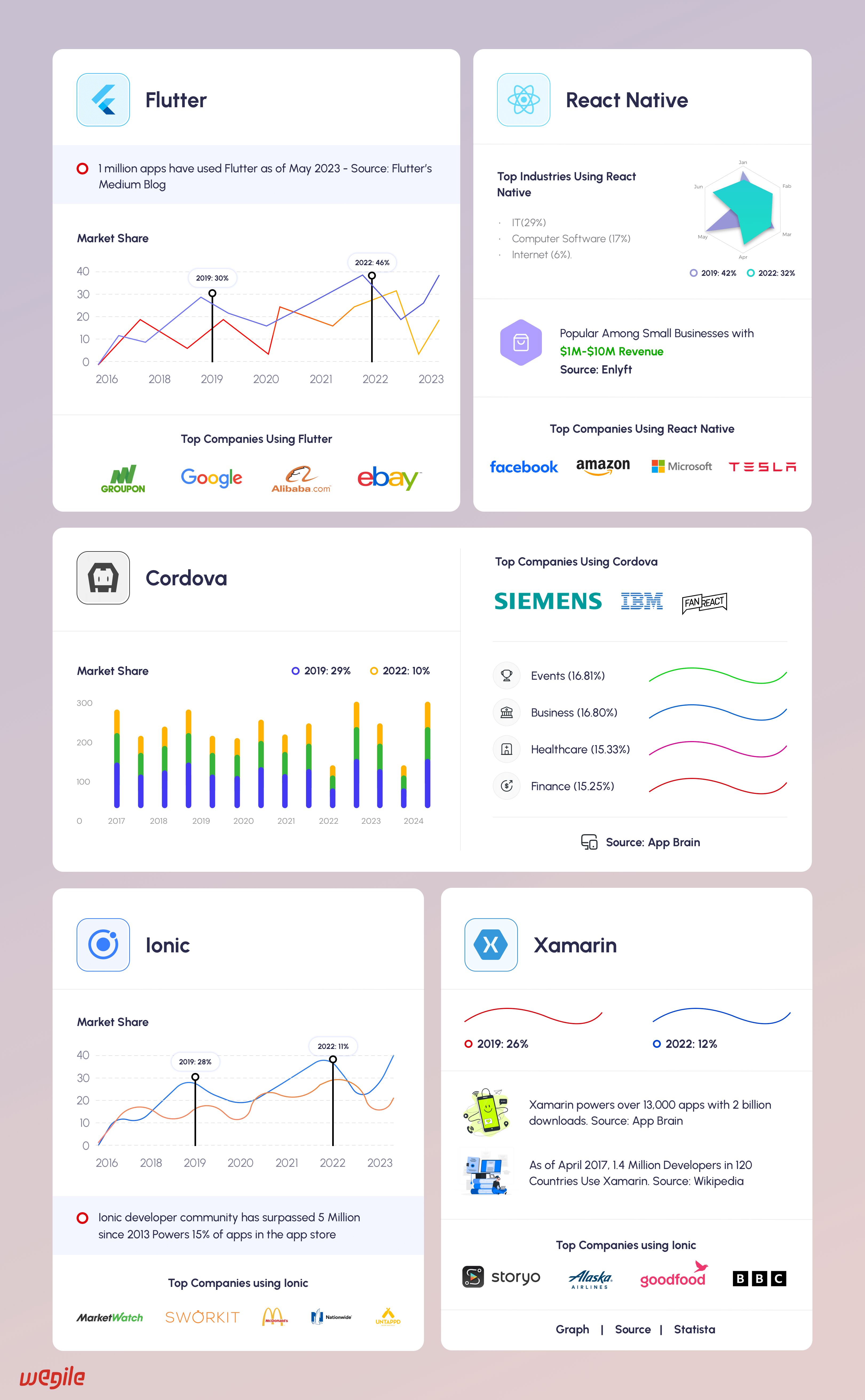
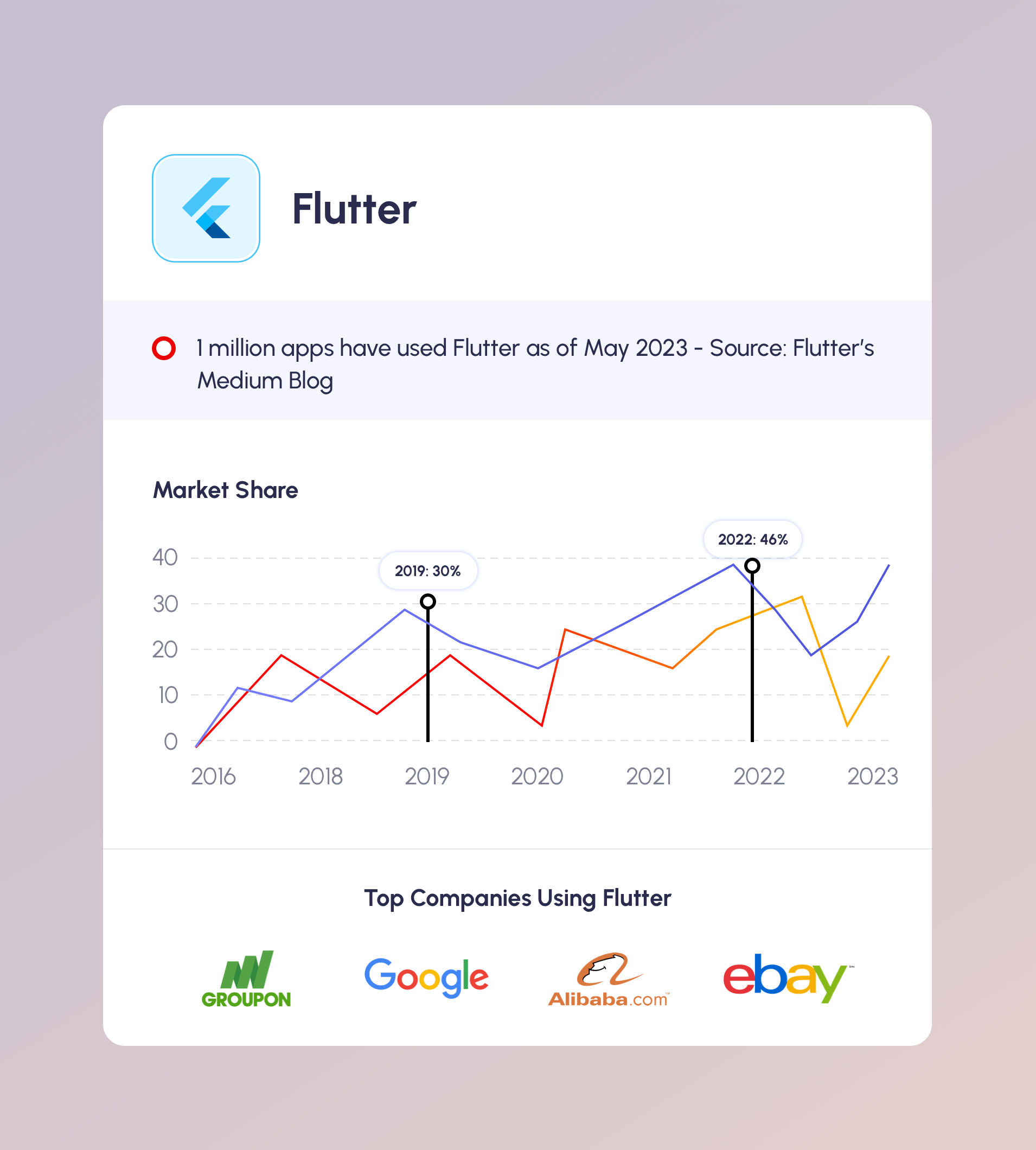
company can help you leverage the framework’s potential in your app project. Top companies that
have
embraced Flutter for its app development are Google, eBay, etc.Advantages of Flutter
-
Hot Reload
Changes in code are reflected immediately in the app, making it easier to experiment with
features
and fix bugs quickly. -
Single Codebase
Develop for iOS and Android from a single codebase, which reduces development costs and time.
-
Rich Widget Set
Offers a wide range of widgets that are customizable, making it easy to create native-looking
apps. -
Strong Community Support
Backed by Google, Flutter has a rapidly growing community and a wealth of learning resources.
-
-
2. React Native
React Native, developed by Facebook(now Meta), is a popular
choice
among cross-platform mobile app development technologies. It enables developers to build mobile apps
using
JavaScript and React, leveraging native components for high performance similar to native applications.
Since React Native embraces JavaScript as a language that is familiar to most app developers, this makes
the
framework highly accessible and efficient for developing mobile apps. The framework is renowned for its
live
reloading feature, which allows developers to see immediate results of their code changes, which further
facilitates rapid development cycles.Also, React Native is ideal for projects where time to market is critical and where code reusability
across
web and mobile platforms can drive significant efficiencies. By integrating React Native into their
development strategy, businesses can leverage existing app development talent and accelerate their
mobile
app development process, ensuring quick market entry while maintaining a high standard of user
experience.Collaborating with a top React
Native app development company can unlock the full potential of this versatile framework for
your
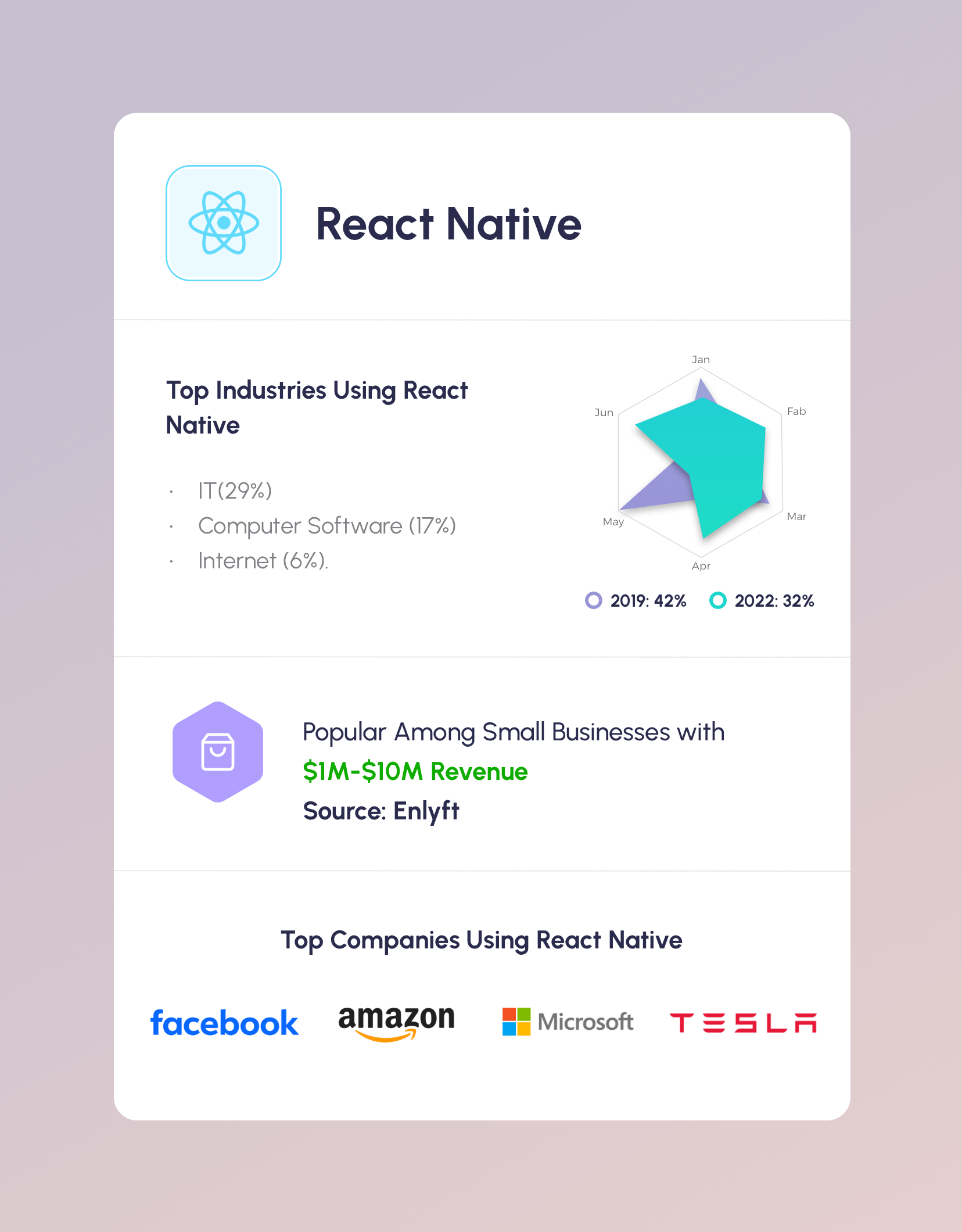
app development. The top companies that have used ReactNative are Facebook, Puma, Tesla, Pinterest, etc.Advantages of React Native
-
Widespread JavaScript Use
Utilizes JavaScript, one of the most common and powerful programming languages.
-
Component-Based Architecture
Allows for building apps with a more agile and flexible approach than traditional methods.
-
Strong Community
Benefits from a robust community and a wide range of third-party plugins.
-
Shared Codebase
Developers can share up to a huge portion of their code between iOS and Android, speeding up
development.
-
-
3. Xamarin
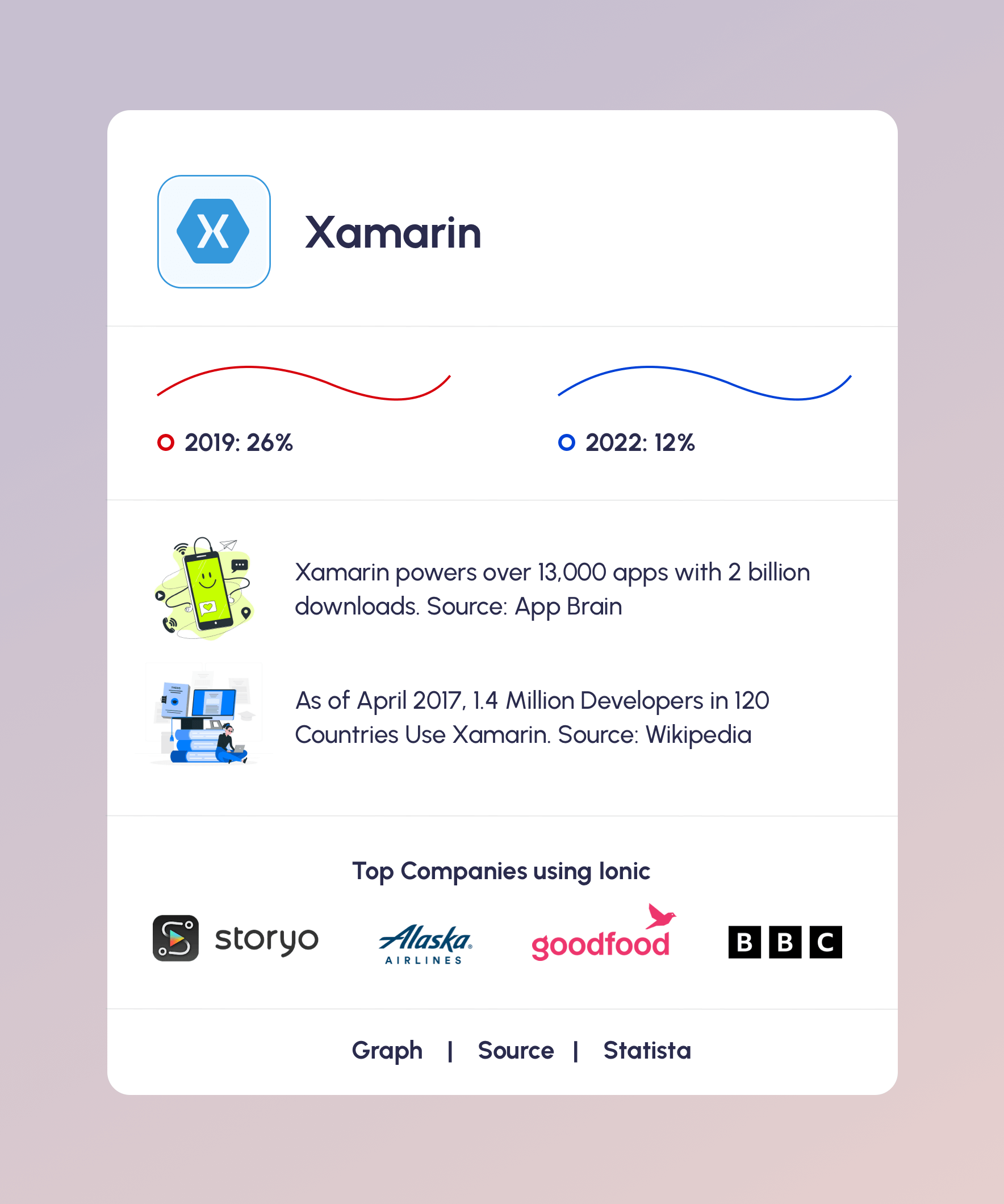
Xamarin, a member of the Microsoft family
since 2016, stands out among cross-platform app development frameworks by enabling developers to use C#
for
building apps that run natively on iOS, Android, and Windows. This framework harnesses the .NET
platform,
which provides a robust ecosystem for developers, allowing them to share code across platforms with
minimal
alterations.Xamarin’s strong integration with the Visual Studio IDE offers a seamless development experience with
sophisticated tools for debugging, UI design, and performance profiling. Its approach optimizes
developer
productivity and ensures apps perform efficiently with a native look and feel.Xamarin is particularly valuable for enterprises in the Microsoft ecosystem looking to streamline their
software development lifecycle. By leveraging Xamarin, businesses can benefit from the extensive
capabilities of .NET and C#, facilitating a unified software development strategy that extends from
server
to mobile client. Alaska Airlines, Good Food, BBC, etc, are some of the top companies that have employed
Xamarin for their app development.Advantages of Xamarin
-
Native Performance
Xamarin apps compile into native code, ensuring optimal performance on each platform.
-
Single Technology Stack
Utilizes C# and .NET, reducing the learning curve for developers already familiar with these
technologies. -
Visual Studio Integration
Offers a powerful and familiar environment for developers, enhancing productivity with rich
features. -
Code Reusability
High code reusability across iOS and Android reduces development time and costs.
-
Microsoft Support
Strong backing by Microsoft provides reliability and continual updates, enhancing the
framework’s
capabilities and security.
-
-
4. Ionic
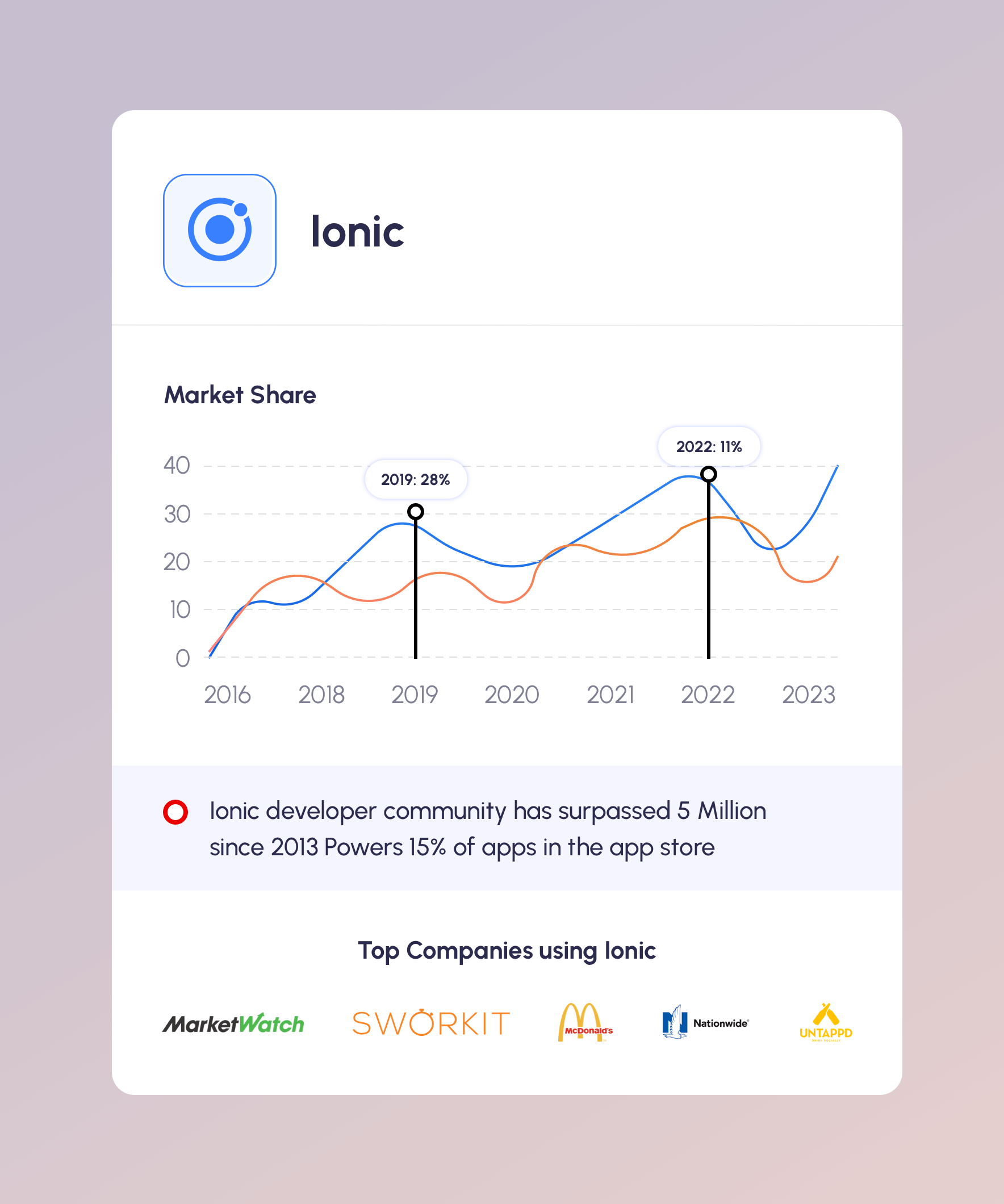
Ionic is a crucial player among cross-platform app development
frameworks, developed originally by Max Lynch, Ben Sperry, and Adam Bradley of Drifty Co. in 2013. Ionic
allows developers to build web and mobile applications using HTML5, CSS, and JavaScript, with a focus on
Angular, allowing the creation of rich, interactive interfaces.The framework allows developers to build apps that, apart from being functional, are visually appealing
since it makes use of a single codebase. Ionic’s component library is designed to mimic native UI
guidelines, providing a seamless user experience across different platforms. Ionic supports a range of
plugins to access native functionalities and integrates seamlessly with Angular to enhance performance
and
user experience.Top companies like MarketWatch, Sworkit, McDonald’s, Nationwide, Untappd, etc have used the framework
for
their own use. By choosing Ionic, businesses can leverage their existing app development expertise to
create
functional and appealing applications, ensuring a consistent user experience across multiple platforms
without significant additional investment.Advantages of Ionic
-
Web Technology Foundation
The framework utilizes familiar web technologies (HTML, CSS, JavaScript), making it accessible
to a
broad range of developers. -
Rich Ecosystem
Integrates smoothly with Angular, React, or Vue.js, offering flexibility in terms of design and
development approach. -
Extensive Plugin Library
Access to a vast array of plugins through Cordova and Capacitor, enhancing native capabilities.
-
Rapid Prototyping
Enables fast prototyping, allowing businesses to quickly validate ideas and refine user
interfaces. -
Community and Resources
Benefits from a large community and a plethora of learning resources, which support
problem-solving
and skill enhancement.
-
-
5. Apache Cordova
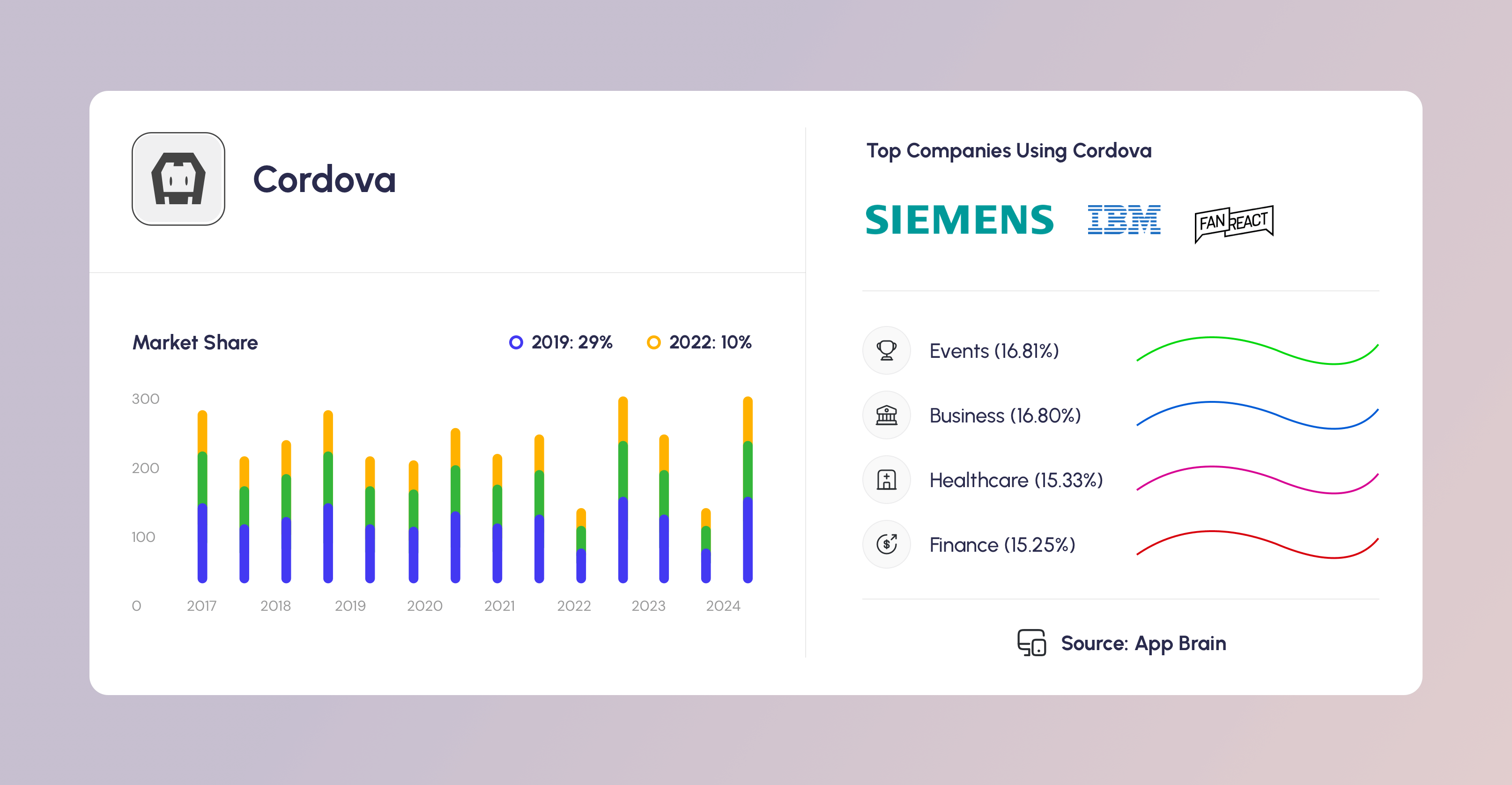
Apache Cordova, previously
known as PhoneGap before becoming a part of the Apache Software Foundation, is a stalwart among
cross-platform app development frameworks. This framework allows developers to build mobile applications
using CSS3, HTML5, and JavaScript instead of relying on platform-specific APIs like those in Android,
iOS,
or Windows Phone.Cordova is extensively used in projects that require broad
access
to device capabilities alongside moderate performance needs. It supports a plug-in architecture, which
means
developers can extend the functionalities of the application by adding plug-ins, making it highly
flexible
and customizable.Apache Cordova offers a robust solution for developing cross-platform applications that leverage web
technologies, providing businesses the flexibility to meet diverse user demands without significant
overheads or extended development timelines. Top companies like Siemens, IBM, FanReact, etc, have
leveraged
the capabilities of the framework.Advantages of Apache Cordova
-
Wide Access to Device Features
Through plugins, Cordova apps can utilize native device features across multiple platforms.
-
Use of Popular Technologies
Developers can use HTML5, CSS3, and JavaScript, which are standard and widely used technologies,
reducing the need to learn new languages. -
Large Community Support
Supported by a large community that contributes a vast range of plugins and comprehensive
documentation. -
Flexibility and Customization
The plugin architecture allows for extensive customization, enabling developers to tailor apps
to
specific requirements. -
Cost-Effective
Suitable for projects with limited budgets, as it reduces the need for multiple native
development
skills.
-
Considerations for Choosing the Right Cross Platform Framework
Choosing the right cross-platform framework involves more than just assessing popularity or developer
preference. It
requires a strategic alignment of the framework’s capabilities with your project’s specific needs. Here are some
critical considerations to guide your decision.
-
1. Target Audience and Platform Coverage
When choosing a framework, consider where your target audience primarily engages with your app.
Different
frameworks offer varying levels of support for different operating systems. For example, while most
frameworks support both iOS and Android, if your audience predominantly uses one over the other, you’ll
need
a framework that provides excellent support and optimization for that platform. Consider also the
geographical and demographic factors that might influence platform preference and ensure the framework
can
deliver a consistent experience across all targeted platforms. -
2. Performance Requirements
The performance of a cross-platform app can vary significantly from one framework to another. If your
app
involves complex animations, real-time data processing, or needs to handle large amounts of data
efficiently, you’ll need a framework known for high performance like Flutter or React Native, which
compile
to native code. Evaluate the performance benchmarks relevant to the specific functionalities you plan to
implement and consider how each framework’s underlying technology can impact your app’s responsiveness
and
fluidity. -
3. Development Budget and Resources
Budget constraints are often decisive in selecting a framework. Some frameworks require more specialized
knowledge or additional tools which can add to the cost. For example, using Xamarin might lead to higher
costs if you need to invest in Visual Studio and other Microsoft technologies. Assess the total cost of
ownership, including development, maintenance, and scaling costs. Additionally, consider the
availability of
skilled developers for the chosen technology within your hiring geography. -
4. Ease of Maintenance and Scalability
Maintaining and scaling an app is an ongoing challenge. Choose a framework that not only simplifies
initial
development but also makes it easy to update, debug, and scale. Frameworks with a large community and
extensive libraries, such as React Native, offer greater resources for troubleshooting and enhancements.
Furthermore, consider how the framework handles updates and compatibility with new OS releases by both
Android and iOS. -
5. Community Support and Ecosystem
A vibrant community and a robust ecosystem are invaluable for long-term framework usability. A large
community means more tutorials, forums, and third-party plugins, which can greatly accelerate
development
and problem-solving. Additionally, a strong ecosystem with a wide range of integrated development
environments (IDEs) and tools can enhance developer productivity and reduce time to market.
Wrapping Up
Selecting the right cross-platform app development framework is pivotal for businesses aiming to maximize
efficiency
and market reach. The frameworks discussed—Flutter, React Native, Xamarin, Ionic, and Apache Cordova—offer
diverse
advantages, from rapid development cycles to extensive access to device capabilities. As you consider your
specific
business needs and technical requirements, think strategically about which framework aligns best with your
goals.
Leveraging the correct framework along with streamlining your development enhances your ability to deliver a
robust,
seamless user experience across multiple platforms.
Are you looking to embrace the capabilities of cross-platform development? Look no further than Wegile, as we
will
help you navigate the complexities and harness the full potential of this versatile approach! Connect with the
leading cross-platform app
development company today and bring your app vision into reality!
Leave a Reply