Introduction
For aspiring mobile app developers,
completing the development process for a successful and robust application
can often be an overwhelming endeavor. It might seem intimidating initially to build an
effective mobile application from the ground up, and you might keep on asking yourself how to
manage the app development process from start to finish, but with careful planning and
management throughout the entire process, you can bring your software vision into reality.
Taking command of every phase – from initial concept development right through to final
deployment –will be paramount in ensuring consistent results across platforms are achieved. This
article will explain how to manage the complete app development cycle correctly without running
into expensive or time-consuming problems down the line. Learn the Android app development
process step-by-step, as well as key strategies that successful developers take advantage of
when constructing their apps successfully!
What Are The Requirements For
Developing An App?
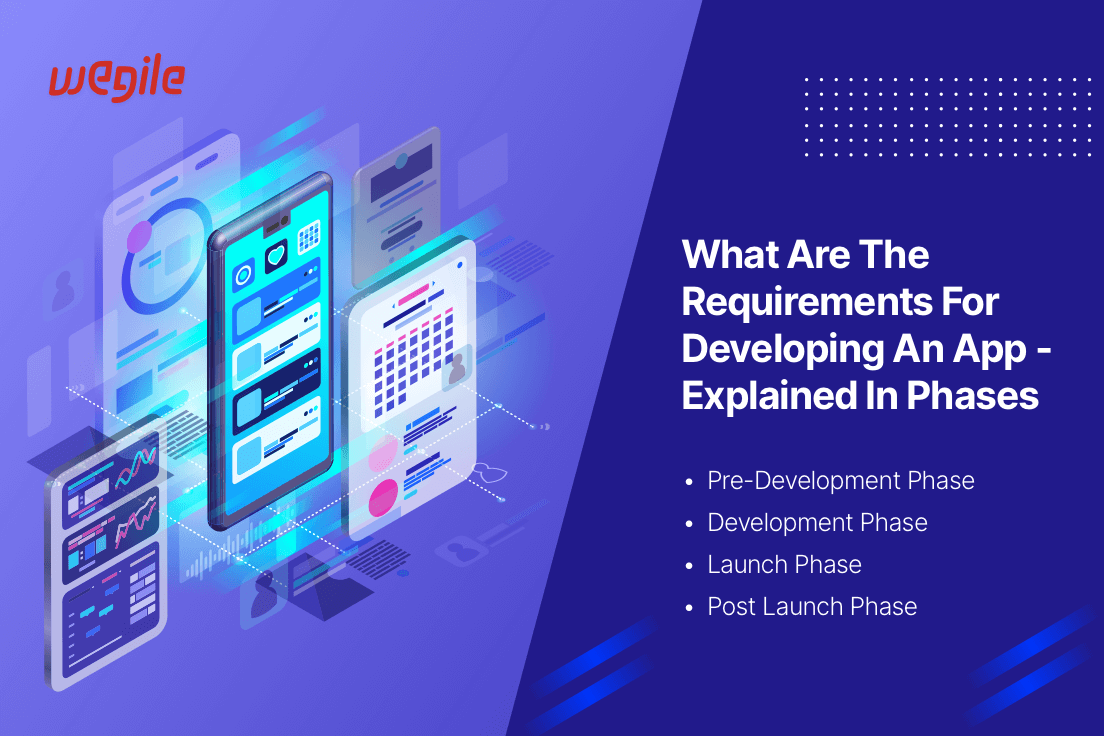
Creating an app requires having a well-defined plan, understanding relevant software design
principles, having expertise in coding, accessing specialized mobile device emulator programs,
confirming your app meets legal requirements, and testing the app regularly to ensure optimal
performance. Additionally, you may need to consider other resources such as a backend web
service, libraries of 3rd party code, and a h3 support channel to assist users. To answer the
question of how to manage the app development process from start to finish, we’ve created a
step-by-step Android app development process for your Mobile app development project:
Step-By-Step Android App
Development Process
-
1. Pre-Development Phase | First Step in
Android App Development ProcessTo ensure that your application meets its purpose and optimum user satisfaction, there
are certain pre-development considerations that need to be made: -
2.Understanding Your App
Regardless of how complex or simple the idea for the app may be it’s essential to gain
clarity on what its purpose is by taking time during this phase to define a clear ‘why’
behind the Mobile app development project, you will save yourself precious resources
later down in line. Consider who your target audience is going to best benefit from
using your Android application too. -
3. Research
Aside from understanding what users wish, want, and desire within proposed features, gaining
insights into competitors can help prioritize which elements should feature heavily when
developing functionality as well as informing potential business models such as partnerships
(allowing reach out beyond existing markets). Moreover, studying industry trends can inform
many other crucial decisions taken prior to entering the MVP stage. -
4. Defining Requirements
In terms of technological requirements defining Items such as layout design parameters,
frameworks used for in-app architecture, etc., become possible components needed ironed out
before the technical build begins. Particular attention should still apply here with 2
primary objectives – total cost minimization while balancing quality assurance strictly
monitored.
Development Phase | Second
Step In Android App Development Process
-
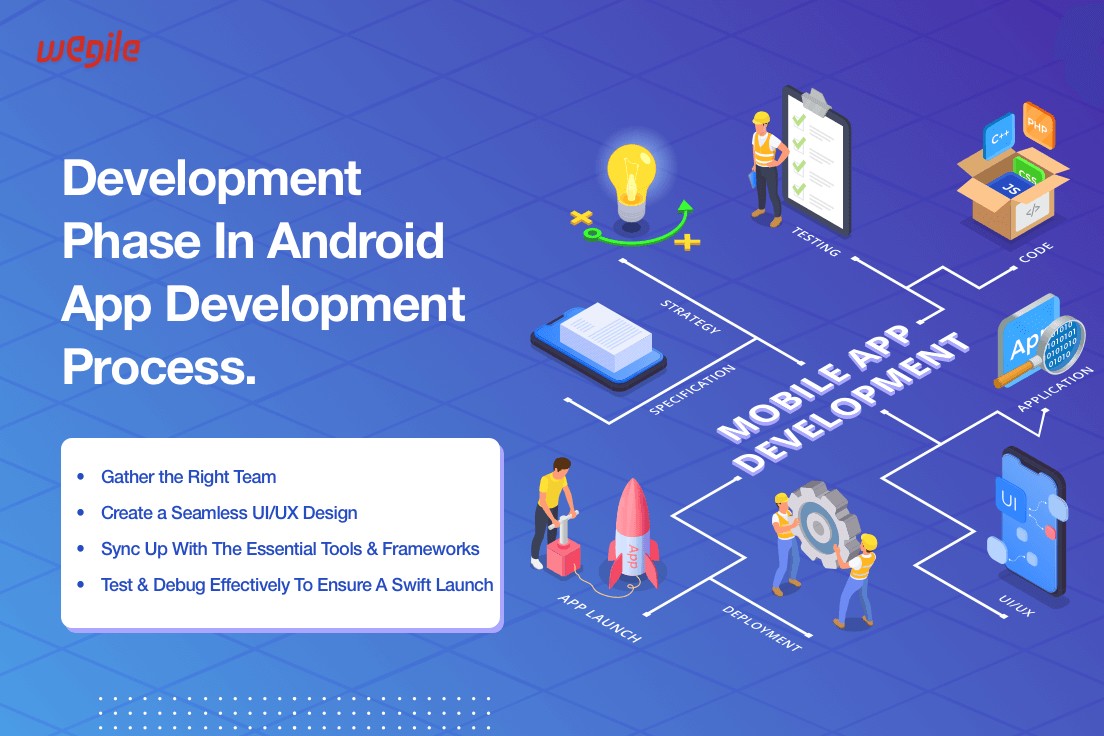
1. Gather the Right Team:
Establish an experienced development team to bring your Android app idea to life, fostering
collaboration among colleagues and industry leaders alike using top-of-the-line project
management tools. -
Create a Seamless
UI/UX
Design:Develop polished user interfaces for maximum engagement through careful consideration of all
digital touchpoints – from layout consistency across platforms to enriched interactions with
native components that impact users’ experience directly. -
Sync Up With The Essential
Tools & Frameworks:Leave no stone unturned when it comes time to program each feature within the framework
you choose while adhering to tight security standards throughout its lifespan in
accordance with emerging trends of trending technologies such as Google’s Flutter SDKs
(Software Development Kits). -
Test & Debug Effectively To Ensure A Swift Launch:
Take full advantage of automated unit testing suites designed specifically for debugging
methods on different devices powered by various OS versions prior to launching so as to
deliver the highest quality products quickly as intended before delving into real global
marketplaces out there!
Launch Phase | Third Step In
Android App Development Process
-
1. Finalizing the App:
Our goal is to make sure the app is short of perfect before submitting it to the Google Play Store.
This includes thorough bug testing and detailed feedback from users, ensuring that the
user experience is streamlined and free of errors. We must also make sure the app is
visible and the description succinct while highlighting its unique features. -
2. Developing a Marketing Plan:
A comprehensive marketing plan should be established in order to ensure the maximum reach and
availability of the product. Decide which channels will be used to promote the app and
create promotional materials accordingly. Consider paid advertising, social media campaigns,
email newsletters, and digital influencers. -
3. User Feedback:
As the app matures and evolves, it is important to monitor user feedback and address any
grievances swiftly. Schedule regular reviews and surveys with users to assess customer
satisfaction with the product. Additionally, set up notifications so that any direct
complaints can be responded to quickly and effectively.
Post Launch Phase | Fourth Step In
Android App Development Process
-
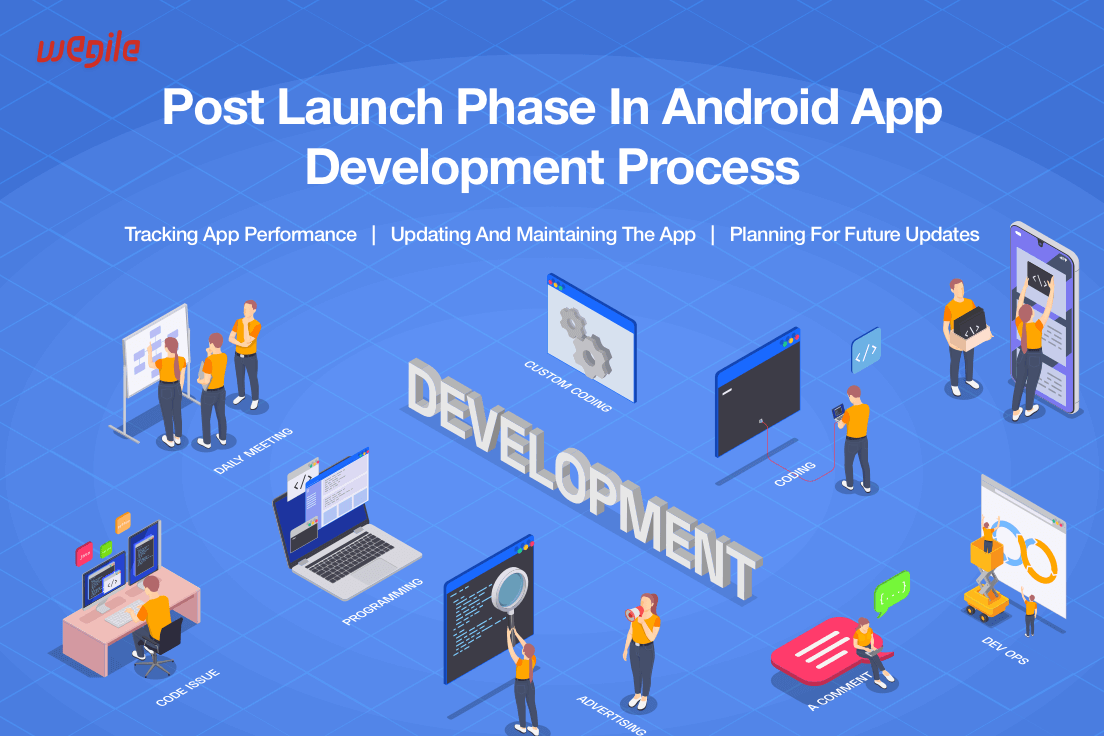
1. Tracking App Performance:
The post-launch phase is the process of maintaining and updating an app after being released
to ensure that it continues to meet user expectations. During this period, monitoring a
range of factors, such as user engagement levels, latent bug fixes, and feature updates, can
be vital for ensuring your app’s long-term success. -
2. Updating and Maintaining the App:
In the initial stages following release, there should be a focus on analyzing feedback from
users alongside using Google Analytics data in order to identify areas where improvements
are necessary or new features may add value. As time goes by, constant testing against
different scenarios based on expected usage will become more important, examining how
successful certain adjustments have been previously also ensuring development teams monitor
progress over time before settling into longer maintenance cycles with patches addressing
any specific issues impacting performance/user experience instead. -
3. Planning for Future Updates:
Finally, during subsequent launches, additional information gathered throughout their use
cycle allows meaningful insights about their preferences and behavior towards adding further
value, which then forms part of future redesign processes; informing which parts need
replacing along with making predictions even when things unexpectedly start going wrong at
times due to unexpected changes in market trends plus increase competitive rivalry.
Conclusion
In conclusion, successful Android app development management requires a comprehensive understanding
of the application’s environment, objectives, and points of differentiation. By leveraging the
features provided by popular development tools and libraries, along with sound design principles,
teams can effectively manage the development process to ensure the production of a high-quality
mobile application. Further, collaboration and communication between stakeholders are paramount to
ensure that user needs are met while still keeping key objectives in focus.
Ultimately, when taking all of these strategies into consideration, teams can produce an Android
application that surpasses expectations and fully satisfies user requirements or simply hire Wegile,
the best mobile app development company you can ever work with (we promise). We make sure that your
mobile app development project goes through without any hurdles; because we at wegile know how to
manage the app development process from start to finish.
Leave a Reply